
Custom Manufacturing, Project Outsourcing, your Trusted Partner from China
In the world of material science and manufacturing, composites are everywhere – from automotive parts and aerospace components to everyday consumer goods. The performance of these materials hinges critically on the interface between their constituent parts, often an inorganic filler or reinforcement and an organic polymer matrix. This is where silane coupling agents, such as our high-purity 3-Phenylpropyldimethylchlorosilane, play a transformative role. If you're a procurement manager seeking to improve the mechanical properties of your composites, understanding these agents is key.
The Challenge: Weak Interfacial Adhesion
Inorganic fillers like silica, glass fibers, or minerals often have surfaces rich in hydroxyl groups, making them hydrophilic and incompatible with hydrophobic organic polymer matrices (e.g., polypropylene, epoxy resins). This poor compatibility leads to weak interfacial adhesion. When stress is applied to the composite, the interface fails first, limiting the overall strength, stiffness, and durability of the material. Simply mixing fillers into polymers is often insufficient; a chemical bridge is needed.
The Solution: Silane Coupling Agents as Molecular Bridges
Silane coupling agents are bifunctional molecules designed to bridge this gap. They possess two distinct reactive ends:
By acting as a molecular bridge, silane coupling agents significantly enhance the adhesion between the inorganic filler and the organic polymer matrix. This results in:
3-Phenylpropyldimethylchlorosilane: A Superior Choice
While many silanes can act as coupling agents, 3-Phenylpropyldimethylchlorosilane offers specific advantages. The 3-phenylpropyl group provides not only hydrophobic character but also aromaticity. This aromatic tail can lead to stronger interactions (e.g., π-π stacking) with certain polymer matrices that also contain aromatic structures, leading to superior interfacial bonding compared to simple alkylsilanes. Furthermore, its specific structure is beneficial for creating tailored surface properties in applications beyond composites, such as in advanced chromatography or protective coatings.
Sourcing High-Quality Silanes from a Trusted Manufacturer
For manufacturers looking to optimize composite performance, sourcing reliable, high-purity silane coupling agents is critical. As a leading manufacturer and supplier, we offer 3-Phenylpropyldimethylchlorosilane that meets stringent quality standards. Our products are engineered for consistency, ensuring predictable results in your formulations. By choosing us as your supplier, you gain access to not only a vital chemical but also technical expertise to help you select and implement the best silane solution for your specific composite application. We understand the importance of supply chain stability and are committed to meeting the needs of our B2B customers.
Elevate your composite materials by integrating the power of advanced silane coupling agents. Contact us today to inquire about 3-Phenylpropyldimethylchlorosilane and discover how it can transform your product's performance.
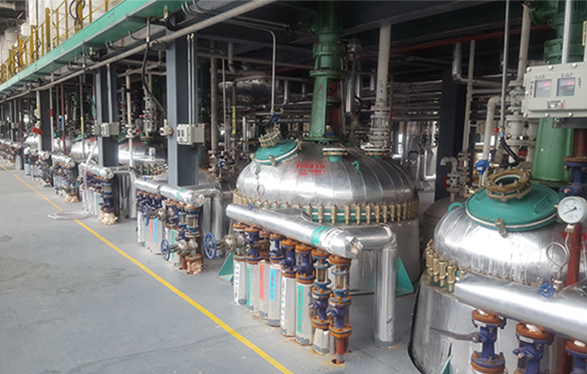
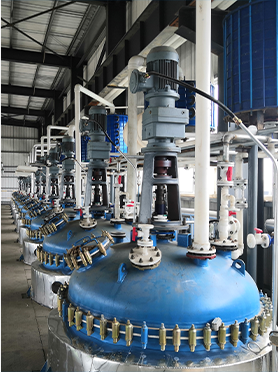
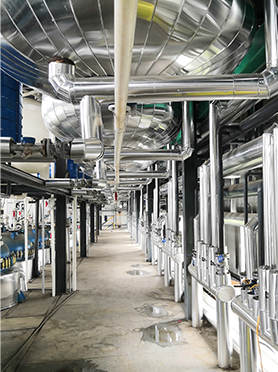
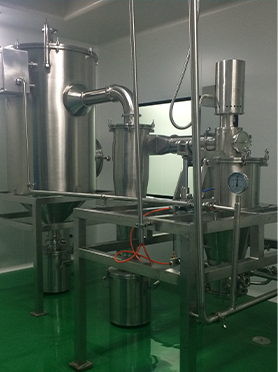
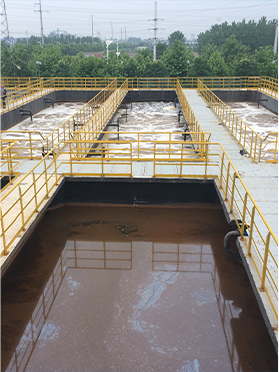
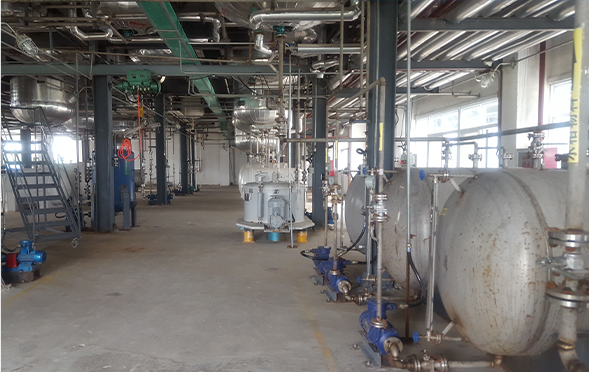
Manufacturing Facilities
Professional Export Experience
to Global Customers
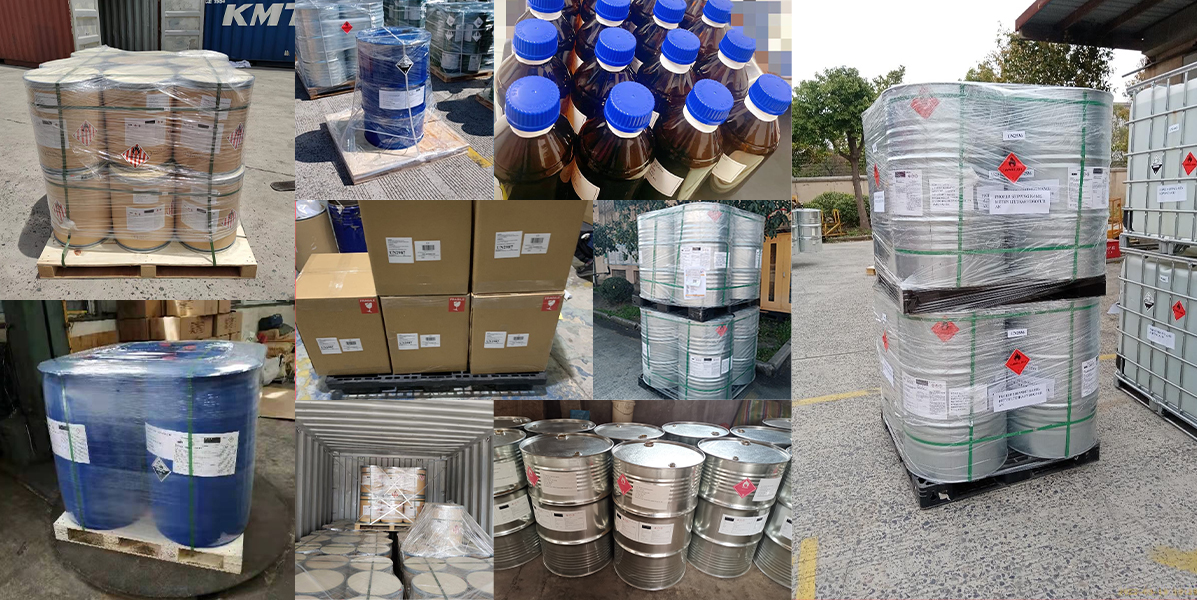
1. 20 years of R&D, manufacturing and sales experience, serving customers in 60 countries and regions around the world;
2. Own R&D laboratory, pilot platform and large-scale production workshop, which can meet the audit requirements of global customers;
3. We can satisfy customers' perfect transition from small scale lab requirements (gram level) to commercialization requirements (hundred tons level).
A: We don't have Minimum Order Quantity, exact quantity should be provided before quotation for us to calculate the exact cost.
A: We don't provide free samples due to lots of request and expensive international courier's cost, we can deduct the sample charge after commercial order placed.
A: Our payment terms: Small or sample order: T/T IN ADVANCE. Commercial order: First order should be by T/T IN ADVANCE or L/C at sight, and following orders T/T 30~90days is acceptable subject to approval of credit application.