
Custom Manufacturing, Project Outsourcing, your Trusted Partner from China
The quest for effective and durable water repellency in construction materials has led to the development of various chemical technologies, notably silanes and siliconates. At NINGBO INNO PHARMCHEM CO.,LTD., we work with both categories, but this article will focus on the specific attributes of potassium methyl siliconate, a prominent siliconate, and compare its performance and application against silane-based treatments.
Silanes and siliconates are both organosilicon compounds used to impart water repellency to porous substrates. They achieve this by reacting with moisture and carbon dioxide within the material to form a hydrophobic silicone polymer network. However, their chemical structure, application characteristics, and reaction mechanisms differ.
Silanes, such as alkylalkoxysilanes, are generally lower molecular weight compounds. They typically contain reactive alkoxy or acetoxy groups that hydrolyze in the presence of moisture to form silanol groups. These silanols then condense to create a silicone polymer network. Silanes often require a catalyst and can cure to form a highly durable and hydrophobic surface. They are effective for a wide range of substrates and can offer excellent breathability and resistance to weathering. However, some silanes can be more volatile and may require specific handling precautions.
Siliconates, like Potassium Methyl Siliconate (CAS 31795-24-1), are the alkali metal salts of silicic acids, often derived from the reaction of an alkoxysilane with an alkali metal hydroxide. They are typically supplied as highly alkaline aqueous solutions. Their primary mode of action involves reaction with atmospheric carbon dioxide to form the hydrophobic polysiloxane network. This reaction is generally faster for siliconates than the hydrolysis and condensation of some silanes, especially in the presence of CO₂. Siliconates often have a higher active content and can be more economical for certain applications. Their high alkalinity, however, means they can potentially cause a white residue or discoloration on sensitive substrates if not applied correctly.
Key Differences and Applications:
When considering which technology to purchase potassium methyl siliconate or a specific silane product, factors such as the substrate type, desired longevity, environmental considerations, and budget are important. NINGBO INNO PHARMCHEM CO.,LTD. provides both silane and siliconate solutions, offering technical expertise to help clients select the most appropriate water-repellent technology for their unique project requirements. Understanding these differences allows for more informed decisions in achieving optimal material protection.
Manufacturing Facilities
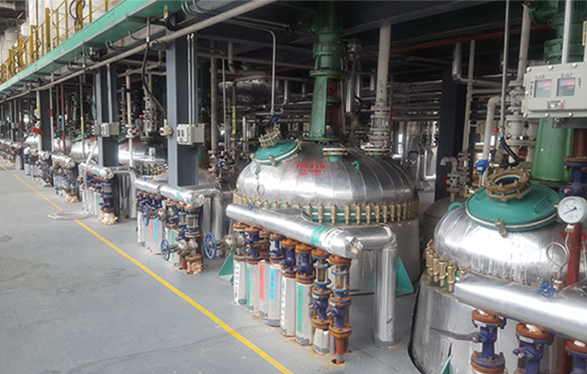
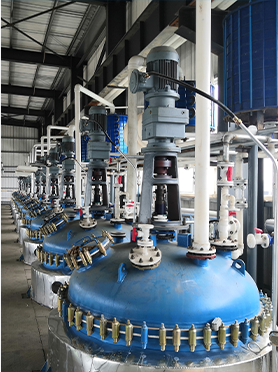
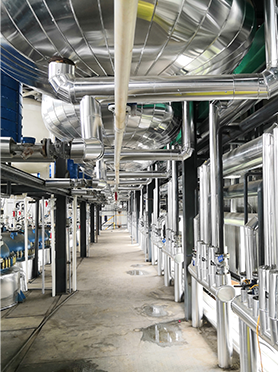
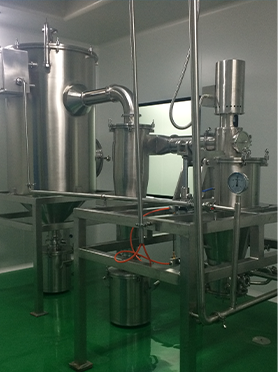
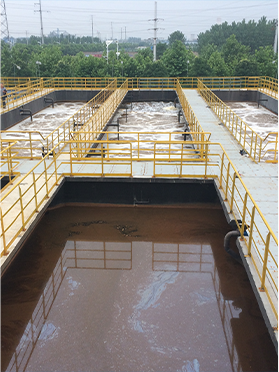
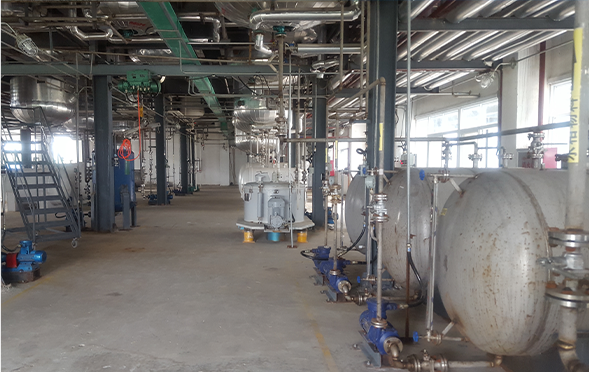
Professional Export Experience
to Global Customers
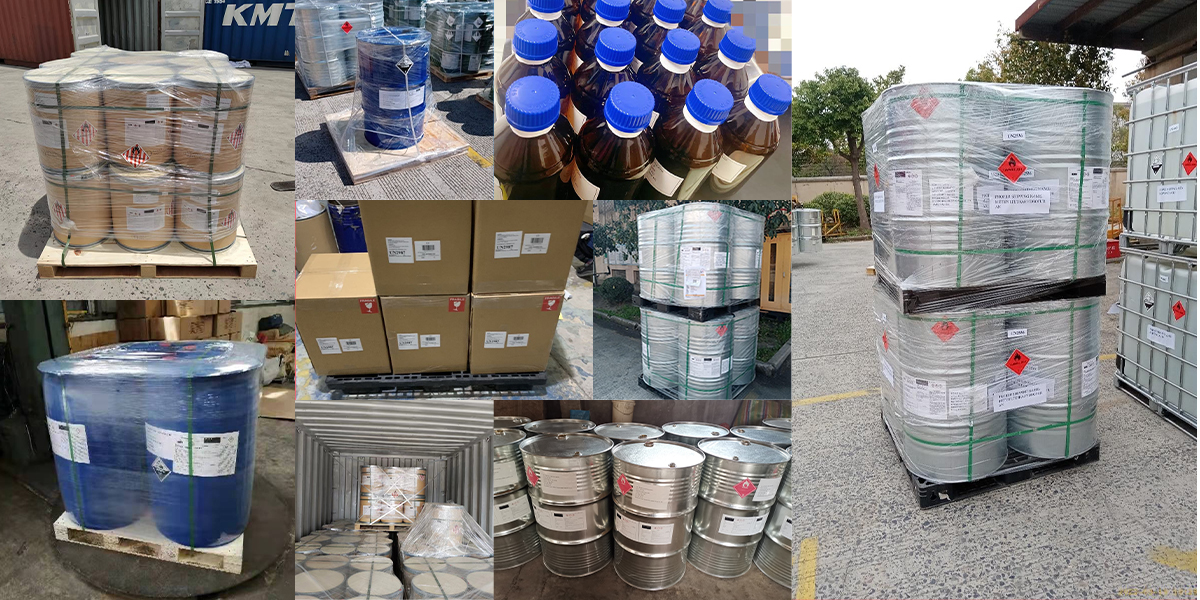
1. 20 years of R&D, manufacturing and sales experience, serving customers in 60 countries and regions around the world;
2. Own R&D laboratory, pilot platform and large-scale production workshop, which can meet the audit requirements of global customers;
3. We can satisfy customers' perfect transition from small scale lab requirements (gram level) to commercialization requirements (hundred tons level).
A: We don't have Minimum Order Quantity, exact quantity should be provided before quotation for us to calculate the exact cost.
A: We don't provide free samples due to lots of request and expensive international courier's cost, we can deduct the sample charge after commercial order placed.
A: Our payment terms: Small or sample order: T/T IN ADVANCE. Commercial order: First order should be by T/T IN ADVANCE or L/C at sight, and following orders T/T 30~90days is acceptable subject to approval of credit application.