
Custom Manufacturing, Project Outsourcing, your Trusted Partner from China
The world of textile auxiliaries is vast and complex, with silicone-based products playing an increasingly significant role. Among these, silicone oils are highly valued for their ability to impart unique properties like softness, smoothness, and enhanced performance to fabrics. However, the diversity within silicone oil chemistry can be daunting. As a leading manufacturer and supplier of specialty chemicals from China, we aim to demystify these variations for textile professionals, guiding you toward the optimal choice. This article provides an overview of common silicone oil types used in textile finishing.
Silicone oils, fundamentally polymers of siloxane (Si-O) chains, offer a unique combination of properties due to their flexible backbone and low surface energy. Their modifications dictate their specific applications and performance characteristics:
1. Dimethyl Silicone Oil:
The most basic form, characterized by repeating dimethylsiloxy units. While it provides some degree of lubrication and softness, it lacks reactivity and durability. It’s often used as a base or in simpler formulations, but advanced applications typically require more specialized silicones.
2. Hydroxyl-Terminated Silicone Oil:
These silicones have hydroxyl (-OH) groups at the chain ends. This active group allows for some degree of cross-linking or reaction with fibers, offering better durability and wash resistance than basic dimethyl silicone oils. They are a step up, providing a more robust softening effect.
3. Amino-Modified Silicone Oils:
These are perhaps the most widely recognized silicone softeners. The introduction of amino groups (primary, secondary, or tertiary) into the silicone structure significantly enhances softness, smoothness, elasticity, and imparts a desirable fluffy or cotton-like feel. They also generally offer good wash durability. However, some amino silicones can be prone to yellowing, especially light-colored fabrics under heat. Ongoing research focuses on minimizing this drawback. We supply high-quality amino-modified silicone softeners to the global market.
4. Epoxy-Modified Silicone Oils:
Epoxy groups are highly reactive and can form strong bonds with various functional groups on textile fibers. This leads to excellent durability and a lasting finish. Epoxy-modified silicones can also be further modified to improve hydrophilicity or other properties. They typically offer good stability and resistance to yellowing.
5. Polyether-Modified Silicone Oils (Hydrophilic Silicone Oils):
This is a critical category for modern textile finishing. By incorporating hydrophilic polyether chains into the silicone polymer, these oils achieve a dual benefit: the characteristic silicone softness and smoothness, combined with enhanced hydrophilicity and moisture-wicking properties. This makes them ideal for performance wear, activewear, and home textiles where comfort and breathability are paramount. The advancements in terpolymer structures further enhance performance, offering an excellent balance of properties. As a leading manufacturer, we offer a range of these advanced hydrophilic silicone oil products.
Key Considerations When Choosing:
Navigating these options can be complex, but understanding these fundamental types is the first step. As a trusted chemical supplier from China, we are here to assist you. Whether you are looking to buy bulk silicone softeners or need tailored advice for your specific fabric finishing needs, our team offers expertise and high-quality products. Contact us to explore our comprehensive range and find the perfect silicone oil solution for your application.
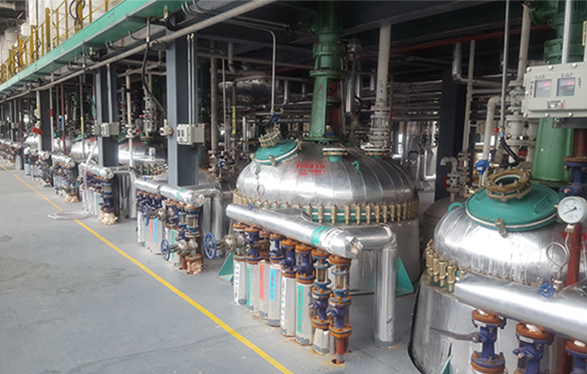
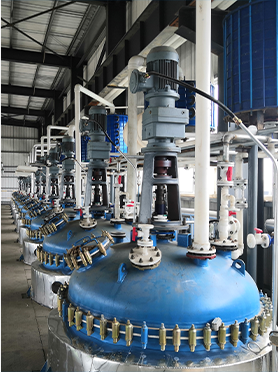
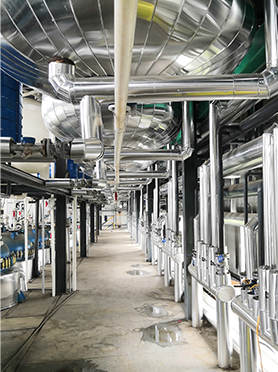
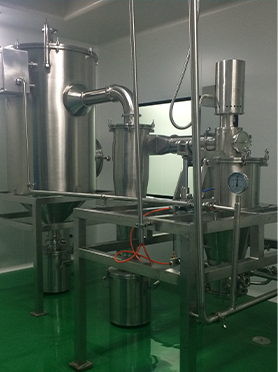
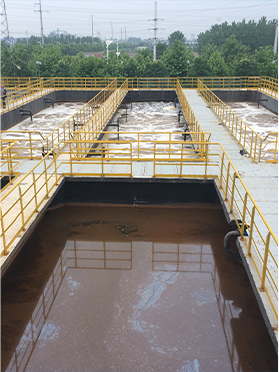
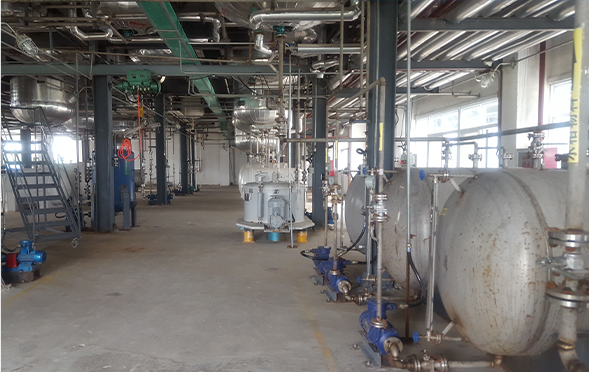
Manufacturing Facilities
Professional Export Experience
to Global Customers
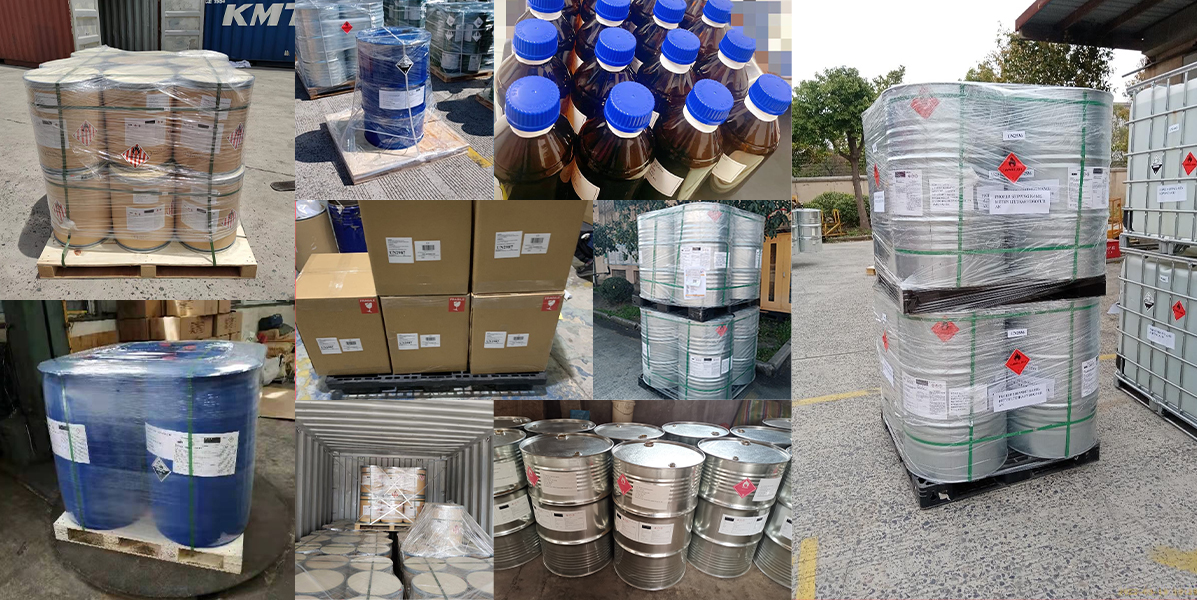
1. 20 years of R&D, manufacturing and sales experience, serving customers in 60 countries and regions around the world;
2. Own R&D laboratory, pilot platform and large-scale production workshop, which can meet the audit requirements of global customers;
3. We can satisfy customers' perfect transition from small scale lab requirements (gram level) to commercialization requirements (hundred tons level).
A: We don't have Minimum Order Quantity, exact quantity should be provided before quotation for us to calculate the exact cost.
A: We don't provide free samples due to lots of request and expensive international courier's cost, we can deduct the sample charge after commercial order placed.
A: Our payment terms: Small or sample order: T/T IN ADVANCE. Commercial order: First order should be by T/T IN ADVANCE or L/C at sight, and following orders T/T 30~90days is acceptable subject to approval of credit application.