
Custom Manufacturing, Project Outsourcing, your Trusted Partner from China
Blended textiles, which combine natural and synthetic fibers, offer unique advantages in terms of performance and cost-effectiveness. However, achieving an optimal tactile feel and desirable functional properties can be challenging. This is where advanced textile finishing agents, such as silicone softeners, play a crucial role. For textile manufacturers and formulators, understanding how to leverage these chemicals is key to producing high-quality fabrics. When looking to buy effective solutions, focusing on silicone softeners specifically designed for blended fibers is a smart strategy.
Silicone softeners are highly valued for their ability to impart a soft, smooth, and often fluffy hand feel to fabrics. Unlike some conventional softeners, they tend to be more durable and less prone to causing yellowing or affecting the fabric's inherent properties like breathability. For blended fabrics, which might otherwise feel stiff or lacklustre, a well-chosen silicone softener can transform the user experience. The mechanism involves the silicone molecules coating the fibers, reducing inter-fiber friction and creating a more pleasant tactile sensation. This improvement in 'hand feel' is a significant factor in consumer purchasing decisions, making it a prime reason to buy such finishing agents.
Furthermore, many modern silicone softeners, particularly hydrophilic variants, can also improve the moisture management characteristics of blended fabrics. Synthetic fibers are often hydrophobic, while natural fibers are hydrophilic. A carefully formulated silicone softener can bridge this gap, enhancing the overall moisture absorption and wicking of the blend. This makes the resulting textiles more comfortable for activewear, casual clothing, and even home furnishings. Sourcing these specialized products from reliable manufacturers in China, for instance, provides access to advanced formulations and competitive pricing structures, making it easier for businesses to buy and integrate these enhancements into their production.
The application of these softeners is typically flexible, compatible with standard textile finishing processes like padding or exhaustion. Key considerations when selecting a product include its ionic character, stability in the processing bath, and resistance to washing. Manufacturers should consult technical data sheets and, if possible, request samples to test compatibility with their specific fabric blends and processes. For businesses aiming to buy the best for their textile finishing needs, partnering with a supplier that offers not only quality products but also technical guidance is invaluable. This ensures optimal results and helps in achieving the desired fabric performance and feel.
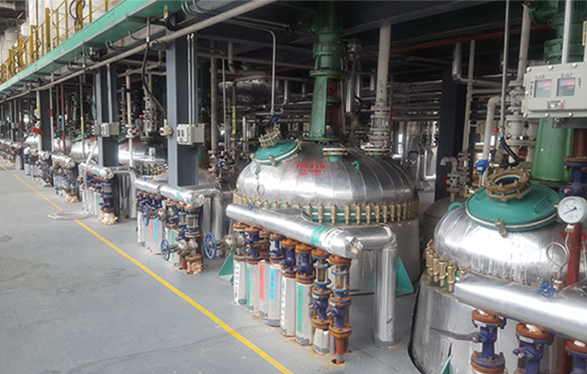
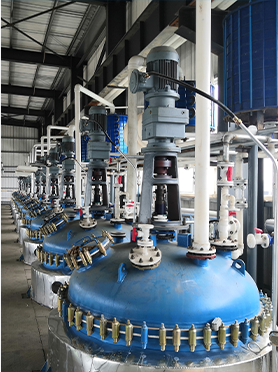
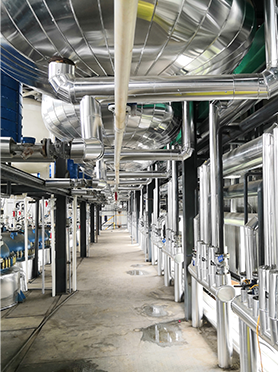
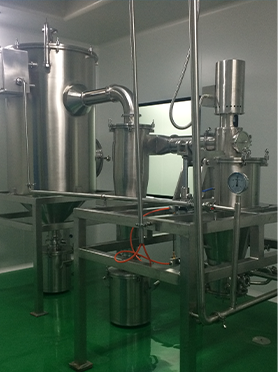
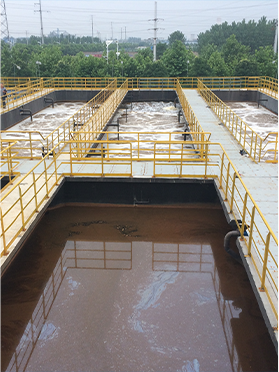
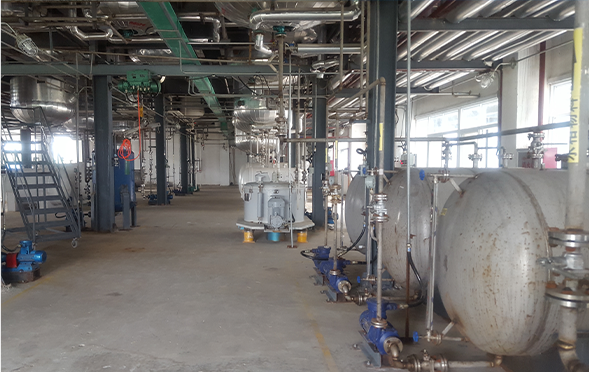
Manufacturing Facilities
Professional Export Experience
to Global Customers
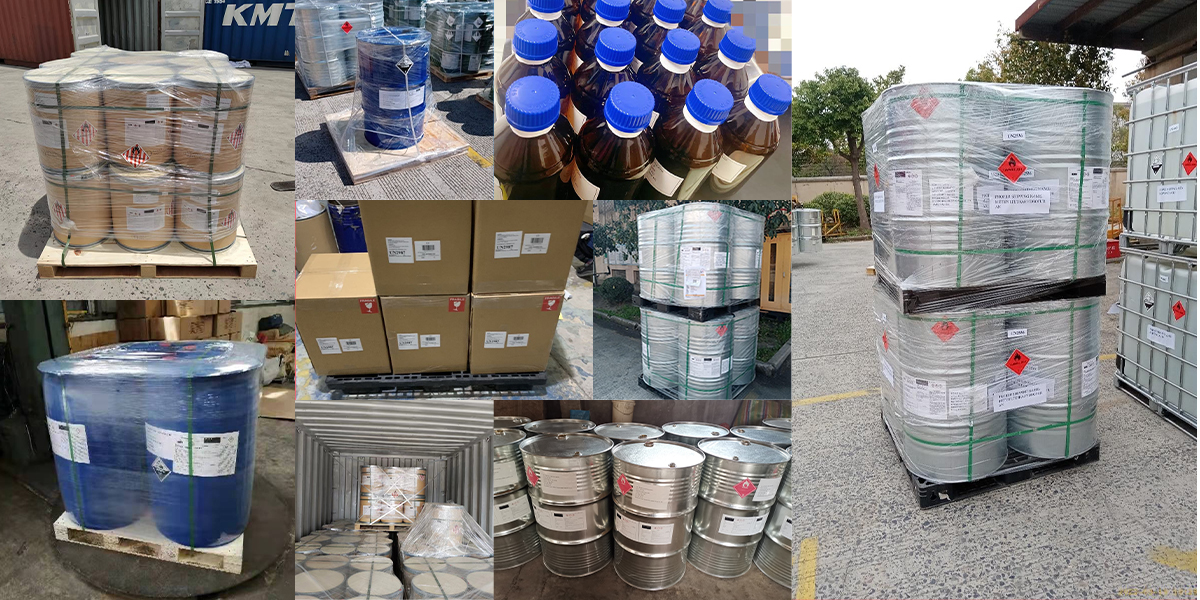
1. 20 years of R&D, manufacturing and sales experience, serving customers in 60 countries and regions around the world;
2. Own R&D laboratory, pilot platform and large-scale production workshop, which can meet the audit requirements of global customers;
3. We can satisfy customers' perfect transition from small scale lab requirements (gram level) to commercialization requirements (hundred tons level).
A: We don't have Minimum Order Quantity, exact quantity should be provided before quotation for us to calculate the exact cost.
A: We don't provide free samples due to lots of request and expensive international courier's cost, we can deduct the sample charge after commercial order placed.
A: Our payment terms: Small or sample order: T/T IN ADVANCE. Commercial order: First order should be by T/T IN ADVANCE or L/C at sight, and following orders T/T 30~90days is acceptable subject to approval of credit application.