Custom Manufacturing, Project Outsourcing, your Trusted Partner from China
In the chemical industry, particularly in the formulation of cleaning and personal care products, understanding the subtle yet critical differences between ingredients like Sodium Lauryl Ether Sulfate (SLES) 70% and Sodium Lauryl Sulfate (SLS) is essential for manufacturers. While both are anionic surfactants with strong detergency and foaming capabilities, their distinct chemical structures lead to different properties, impacting their suitability for various applications. As a leading SLES 70% supplier in China, we aim to clarify these differences to help you make informed sourcing decisions when you buy SLES or SLS.
The primary distinction lies in their chemical composition. SLES 70% is a lauryl alcohol ethoxylated with ethylene oxide before sulfation. This ethoxylation process introduces polyoxyethylene chains, making SLES less polar than SLS. Consequently, SLES tends to be milder on the skin and eyes, producing a richer and more stable foam compared to SLS. This makes SLES 70% a preferred choice for personal care products like shampoos, body washes, and facial cleansers, where skin compatibility is paramount.
SLS, on the other hand, is a direct sulfation product of lauryl alcohol. While highly effective as a detergent and foaming agent, it is generally considered more irritating to the skin and mucous membranes. This can lead to dryness, redness, or allergic reactions in sensitive individuals. Therefore, SLS is often found in products where direct, prolonged skin contact is less common, or in formulations designed for industrial cleaning where harsher conditions are expected and workplace safety protocols are in place.
From a performance perspective, both surfactants are excellent emulsifiers and wetting agents. However, SLES often exhibits better solubility in water and performs more consistently in hard water conditions than SLS. This consistency is a significant advantage for manufacturers targeting a broad market. Furthermore, SLES is known for its superior biodegradability, which aligns with the growing demand for environmentally friendly chemical solutions.
When considering which surfactant to purchase, manufacturers should evaluate their product's intended use, target audience, and desired performance characteristics. For gentle, effective cleansing in personal care items, SLES 70% is typically the superior option. For heavy-duty industrial cleaning where cost and extreme detergency are prioritized, SLS might be considered, provided safety measures are strictly followed. As a comprehensive anionic surfactant manufacturer, we offer both, but our focus on SLES 70% stems from its broader applicability and improved safety profile for consumer products.
Choosing the right surfactant impacts product quality, safety, and market acceptance. By understanding the differences between SLES 70% and SLS, manufacturers can optimize their formulations. We encourage you to partner with us, your trusted SLES chemical manufacturer, to source high-quality SLES 70% and ensure your products meet the highest standards of performance and consumer well-being.
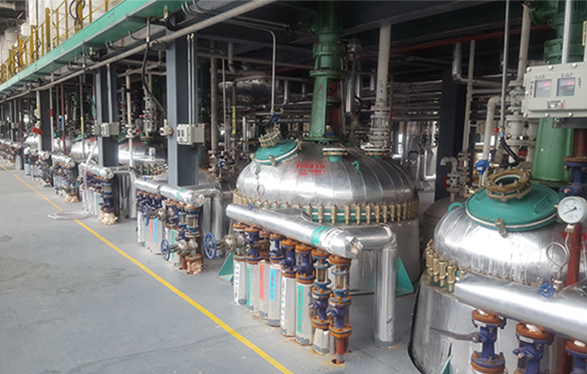
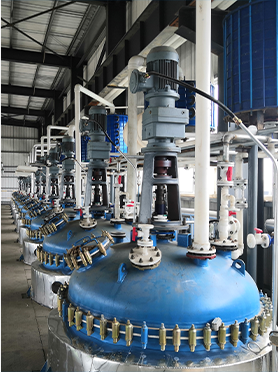
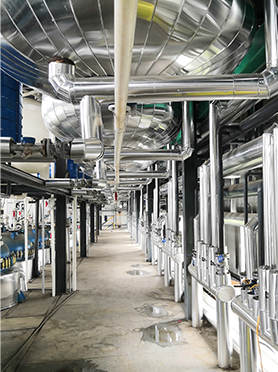
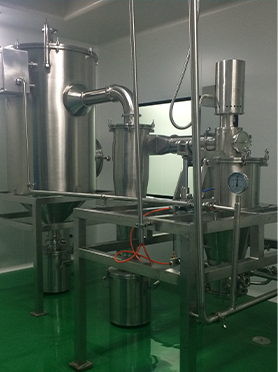
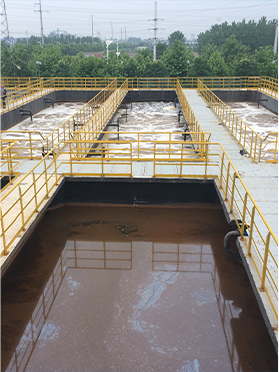
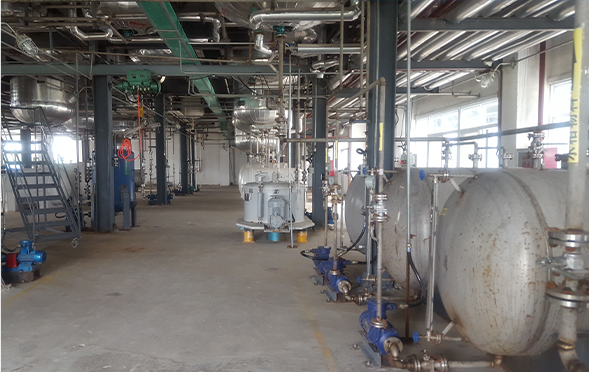
Manufacturing Facilities
Professional Export Experience
to Global Customers
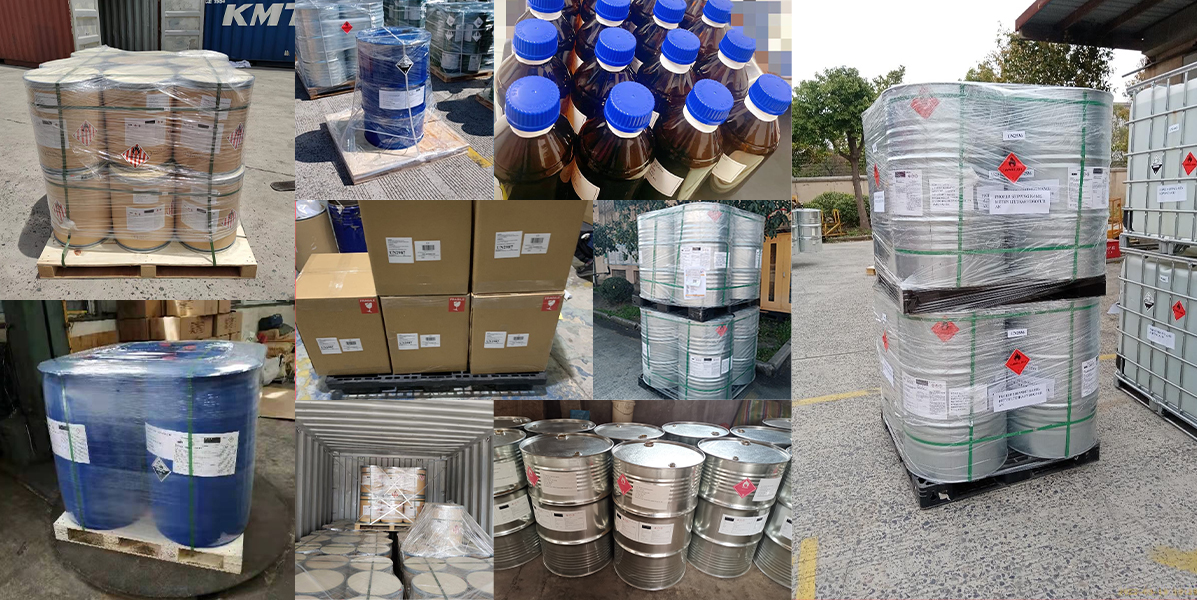
1. 20 years of R&D, manufacturing and sales experience, serving customers in 60 countries and regions around the world;
2. Own R&D laboratory, pilot platform and large-scale production workshop, which can meet the audit requirements of global customers;
3. We can satisfy customers' perfect transition from small scale lab requirements (gram level) to commercialization requirements (hundred tons level).
A: We don't have Minimum Order Quantity, exact quantity should be provided before quotation for us to calculate the exact cost.
A: We don't provide free samples due to lots of request and expensive international courier's cost, we can deduct the sample charge after commercial order placed.
A: Our payment terms: Small or sample order: T/T IN ADVANCE. Commercial order: First order should be by T/T IN ADVANCE or L/C at sight, and following orders T/T 30~90days is acceptable subject to approval of credit application.