Custom Manufacturing, Project Outsourcing, your Trusted Partner from China
For formulators in the personal care, home care, and industrial cleaning sectors, understanding the nuances between closely related chemical ingredients is vital for creating optimal products. Sodium Laureth Sulfate (SLES) and Sodium Lauryl Sulfate (SLS) are two such compounds, both powerful surfactants, yet distinct in their properties and applications. As a leading chemical supplier, we frequently address customer inquiries about these two. This guide aims to clarify their differences and highlight why SLES 70% is often the preferred choice for many modern formulations.
What are SLES and SLS?
Both SLES and SLS are anionic surfactants, meaning they carry a negative charge. They are synthesized from fatty alcohols and are excellent at reducing surface tension, creating lather, and lifting away dirt and oils. Essentially, they function as synthetic soaps.
The Key Difference: Ethoxylation
The primary distinction between SLES and SLS lies in the process of ethoxylation. SLS is a direct sulfation product of lauryl alcohol. SLES, on the other hand, is derived from SLS through ethoxylation – the addition of ethylene oxide units. This seemingly small chemical modification has significant implications for the surfactant's properties:
1. Irritation Potential:
2. Foaming and Cleansing:
3. Solubility and Stability:
4. Manufacturing and Cost:
Why Manufacturers Prefer SLES 70%
Given these differences, many manufacturers choose SLES 70% for several compelling reasons:
Choosing the Right Surfactant: Buy SLES 70% from a Trusted Supplier
When you're looking to buy SLES 70%, partnering with a reputable chemical supplier is key. We provide high-quality SLES 70% that meets stringent industry standards, ensuring you receive a consistent and reliable ingredient for your formulations. Understanding these distinctions between SLES and SLS empowers you to make informed decisions that align with your product development goals and consumer expectations. Contact us to explore our SLES 70% offerings and discuss how we can support your manufacturing needs.
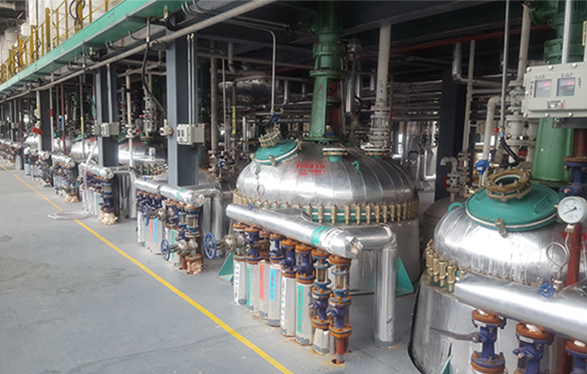
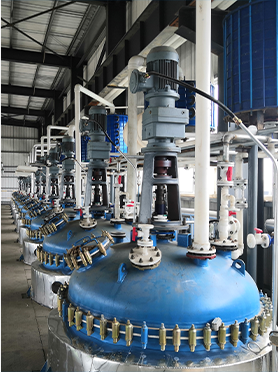
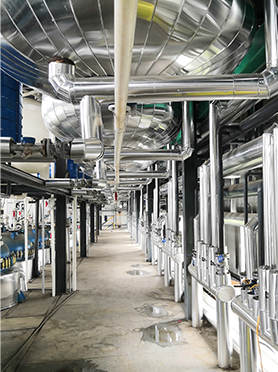
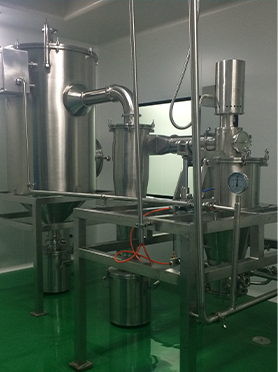
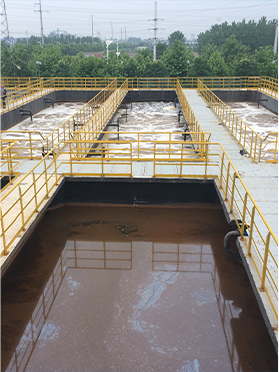
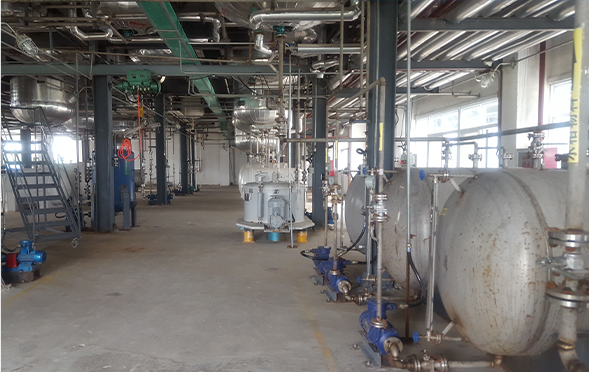
Manufacturing Facilities
Professional Export Experience
to Global Customers
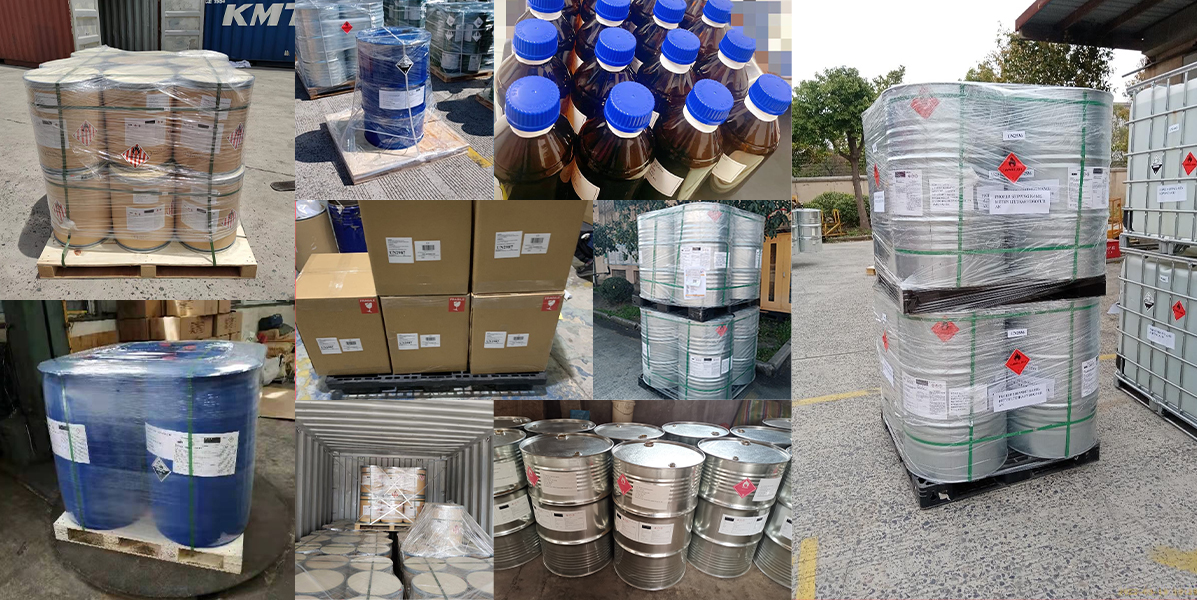
1. 20 years of R&D, manufacturing and sales experience, serving customers in 60 countries and regions around the world;
2. Own R&D laboratory, pilot platform and large-scale production workshop, which can meet the audit requirements of global customers;
3. We can satisfy customers' perfect transition from small scale lab requirements (gram level) to commercialization requirements (hundred tons level).
A: We don't have Minimum Order Quantity, exact quantity should be provided before quotation for us to calculate the exact cost.
A: We don't provide free samples due to lots of request and expensive international courier's cost, we can deduct the sample charge after commercial order placed.
A: Our payment terms: Small or sample order: T/T IN ADVANCE. Commercial order: First order should be by T/T IN ADVANCE or L/C at sight, and following orders T/T 30~90days is acceptable subject to approval of credit application.