
Custom Manufacturing, Project Outsourcing, your Trusted Partner from China
Wastewater treatment is a critical process for both environmental protection and public health. A significant byproduct of this process is sludge, which requires efficient dewatering before disposal or further treatment. Cationic polyacrylamide (CPAM) has emerged as a leading chemical agent for enhancing sludge dewatering, offering substantial benefits in terms of reduced volume, lower disposal costs, and improved operational efficiency.
The Challenge of Sludge Dewatering
Sludge produced from wastewater treatment plants is typically a gelatinous material with a high water content, often exceeding 95%. This high water content makes it difficult and expensive to transport and dispose of. Dewatering aims to remove as much water as possible from the sludge, thereby reducing its volume and weight. Various mechanical methods, such as belt presses, centrifuges, and screw presses, are used for dewatering, but their effectiveness is often enhanced by the addition of chemical conditioners.
Cationic Polyacrylamide (CPAM) as a Dewatering Aid
CPAM is a cationic polyelectrolyte, meaning its molecular structure carries a positive charge. This positive charge is key to its effectiveness in sludge dewatering. Municipal and industrial sludge typically contains negatively charged colloidal particles, including organic matter and fine inorganic suspended solids. When CPAM is added to the sludge, its positive charges neutralize these negative charges on the sludge particles. This charge neutralization destabilizes the sludge structure, allowing the sludge particles to approach each other.
Furthermore, the long, linear chains of CPAM act as bridges between destabilized particles. These bridging mechanisms effectively aggregate the small, destabilized particles into larger, more compact flocs. These larger flocs have better dewatering characteristics because they:
Benefits of Using CPAM in Sludge Dewatering
Selecting the Right CPAM
The effectiveness of CPAM in sludge dewatering is influenced by its molecular weight and charge density. The optimal type of CPAM will depend on the specific characteristics of the sludge being treated, such as its solid content, organic matter content, and particle charge. Pilot testing is often employed to determine the most suitable CPAM product and dosage for a particular wastewater treatment plant.
In conclusion, cationic polyacrylamide is a vital chemical aid that significantly enhances the efficiency and cost-effectiveness of sludge dewatering processes. Its ability to condition sludge effectively for mechanical dewatering makes it an indispensable tool for wastewater treatment facilities worldwide aiming for optimal performance and reduced operational expenses.
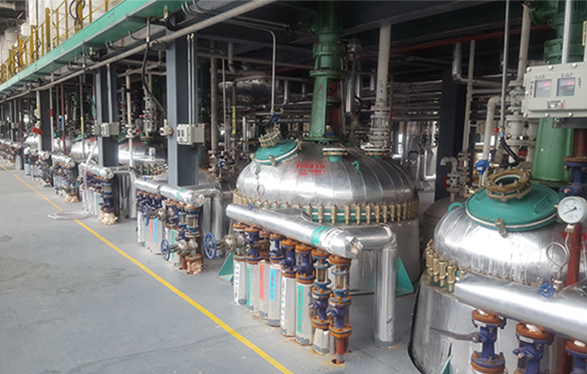
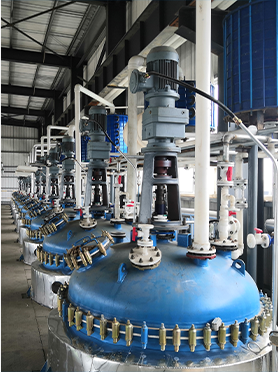
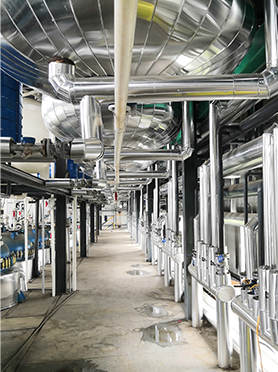
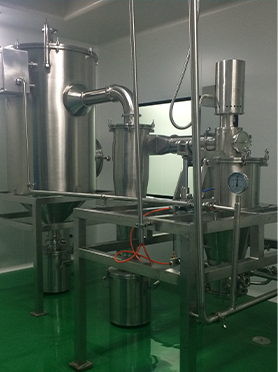
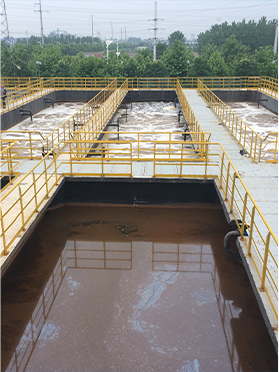
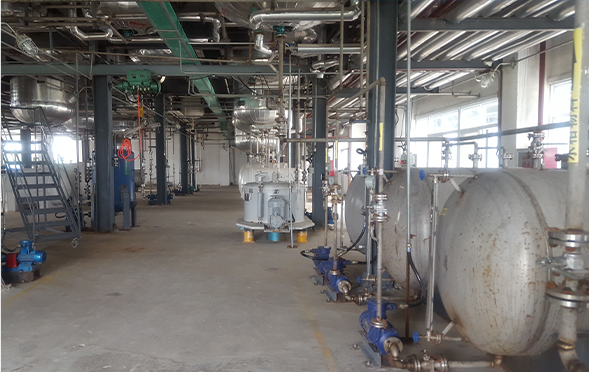
Manufacturing Facilities
Professional Export Experience
to Global Customers
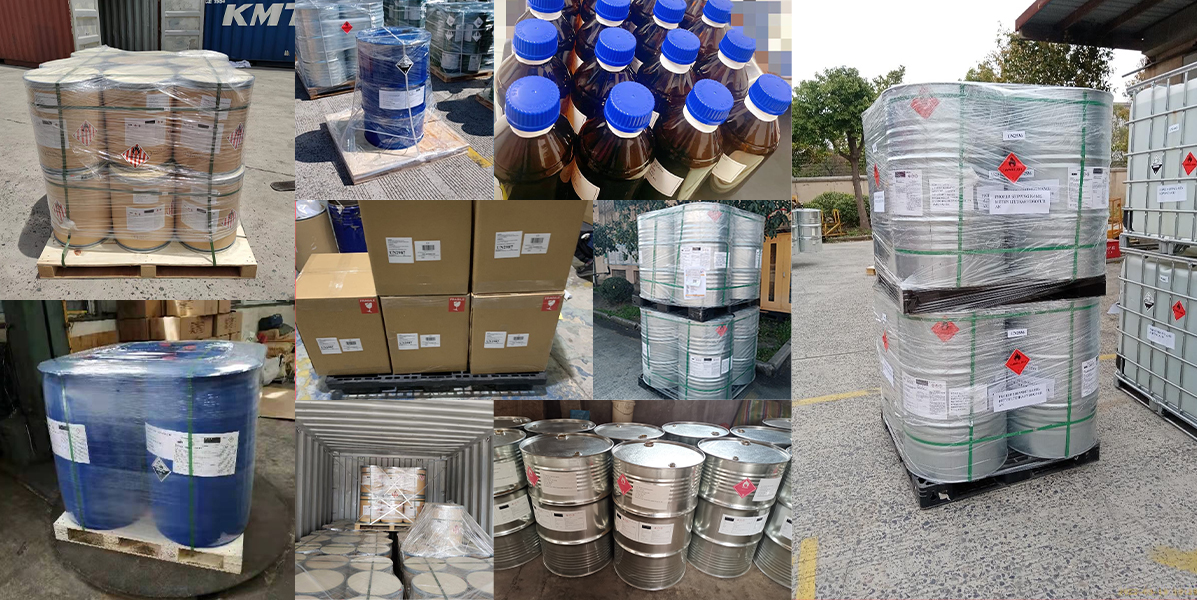
1. 20 years of R&D, manufacturing and sales experience, serving customers in 60 countries and regions around the world;
2. Own R&D laboratory, pilot platform and large-scale production workshop, which can meet the audit requirements of global customers;
3. We can satisfy customers' perfect transition from small scale lab requirements (gram level) to commercialization requirements (hundred tons level).
A: We don't have Minimum Order Quantity, exact quantity should be provided before quotation for us to calculate the exact cost.
A: We don't provide free samples due to lots of request and expensive international courier's cost, we can deduct the sample charge after commercial order placed.
A: Our payment terms: Small or sample order: T/T IN ADVANCE. Commercial order: First order should be by T/T IN ADVANCE or L/C at sight, and following orders T/T 30~90days is acceptable subject to approval of credit application.