
Custom Manufacturing, Project Outsourcing, your Trusted Partner from China
While widely recognized for its preservative qualities in the food industry, sodium benzoate extends its utility into the realms of pharmaceuticals and cosmetics. This versatile compound plays critical roles in both medication formulation and personal care product stability, demonstrating its broad applicability.
In the pharmaceutical sector, sodium benzoate serves a dual purpose. It acts as a preservative in liquid medications, such as cough syrups, preventing microbial contamination and extending the product's shelf life. Furthermore, in higher therapeutic doses, sodium benzoate has been utilized in the treatment of urea cycle disorders. These are genetic conditions where the body is unable to effectively remove ammonia, a byproduct of protein breakdown. Sodium benzoate helps by binding to amino acids, facilitating the excretion of nitrogen and thus reducing ammonia levels in the blood. This highlights its significant sodium benzoate pharmaceutical applications.
The cosmetic industry also leverages the preservative power of sodium benzoate. It is incorporated into a wide range of personal care items, including shampoos, lotions, serums, and cleansers, to inhibit the growth of bacteria, yeast, and mold. This ensures product integrity and safety for the consumer. The sodium benzoate cosmetic preservative function is vital for maintaining product quality, especially in water-based formulations that are more susceptible to microbial spoilage.
The effectiveness of sodium benzoate in these applications stems from its antimicrobial properties, particularly in acidic conditions. The benzoic acid and sodium benzoate relationship is central to its action, with benzoic acid being the active agent that disrupts microbial cellular processes. Manufacturers value its compatibility with other preservatives, its cost-effectiveness, and its wide regulatory approval, making it a reliable choice for formulation.
However, as with any chemical ingredient, awareness of potential side effects is important. While generally considered safe when used within regulated limits, some individuals might experience allergic reactions. Concerns regarding the potential formation of benzene when sodium benzoate is combined with ascorbic acid (Vitamin C) also exist, underscoring the need for careful formulation practices. Despite these considerations, the established benefits and broad utility of sodium benzoate in pharmaceuticals and cosmetics continue to make it a valuable ingredient.
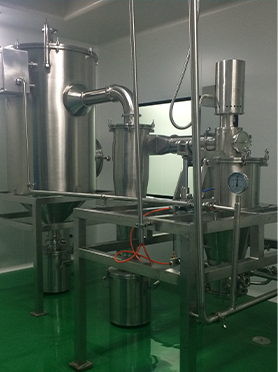
Manufacturing Facilities





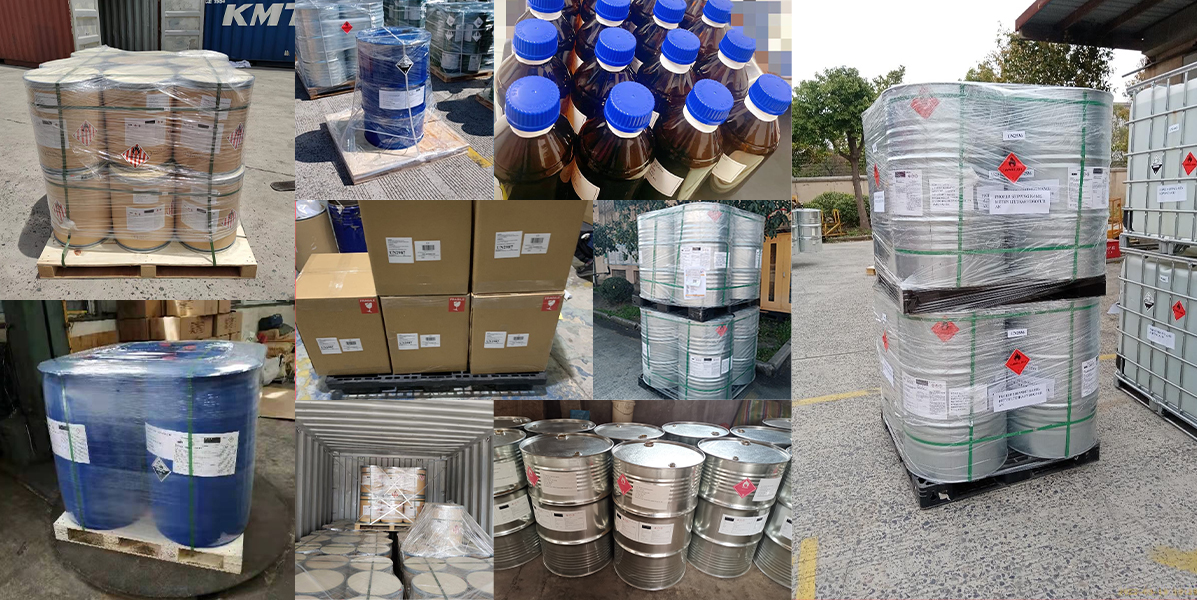
Professional Export Experience
to Global Customers
1. 20 years of R&D, manufacturing and sales experience, serving customers in 60 countries and regions around the world;
2. Own R&D laboratory, pilot platform and large-scale production workshop, which can meet the audit requirements of global customers;
3. We can satisfy customers' perfect transition from small scale lab requirements (gram level) to commercialization requirements (hundred tons level).
A: We don't have Minimum Order Quantity, exact quantity should be provided before quotation for us to calculate the exact cost.
A: We don't provide free samples due to lots of request and expensive international courier's cost, we can deduct the sample charge after commercial order placed.
A: Our payment terms: Small or sample order: T/T IN ADVANCE. Commercial order: First order should be by T/T IN ADVANCE or L/C at sight, and following orders T/T 30~90days is acceptable subject to approval of credit application.