
Custom Manufacturing, Project Outsourcing, your Trusted Partner from China
The versatility of Sodium Silicate (CAS 1344-09-8), often referred to as water glass, extends to a remarkable array of manufacturing processes, particularly in the production of adhesives, ceramics, and textiles. Its inherent adhesive properties, combined with its ability to withstand high temperatures and alter surface characteristics, make it an invaluable component across these varied industries.
In the realm of adhesives, sodium silicate stands out for its strong bonding capabilities, especially with porous materials like paper, cardboard, wood, and textiles. It is widely used in the manufacturing of corrugated cardboard boxes, paper tubes, and bookbinding, providing a durable and cost-effective bond. Its resistance to heat also makes it suitable for applications where elevated temperatures are encountered, such as in the production of abrasive wheels or fire-resistant materials. For companies sourcing adhesives, understanding the performance benefits of sodium silicate adhesives is key.
The ceramics industry benefits significantly from sodium silicate, primarily in two ways: as a deflocculant in slip preparation and as a component that contributes to crackle glaze effects. When added to ceramic slips (a mixture of clay and water), sodium silicate helps to disperse clay particles evenly, reducing the amount of water needed and improving the workability and suspension properties of the slip. This leads to smoother casting and reduced defects. Furthermore, when applied as a surface coating on unfired or glazed ceramic pieces and then fired, sodium silicate can create the characteristic fine crackle patterns that are highly prized for their aesthetic appeal.
In the textile industry, sodium silicate finds application in various processing stages. It can be used as a scouring agent to remove impurities from fibers, as a stabilizer in bleaching baths, and as a dyeing auxiliary to improve dye uptake and color fastness. Its alkaline nature and ability to sequester metal ions are beneficial in these processes. Additionally, sodium silicate can impart flame retardancy to textiles when applied as a coating, enhancing the safety of fabrics used in upholstery, draperies, and protective clothing.
For manufacturers across these sectors, sourcing high-quality sodium silicate is crucial for achieving desired product characteristics and performance. Whether you are looking for an industrial binder for packaging, a critical ingredient for ceramic art, or a textile processing aid, partnering with a reputable chemical supplier ensures you receive a product that meets your exact specifications. Our commitment to providing superior grade sodium silicate supports diverse manufacturing needs, enabling innovation and quality in your end products.
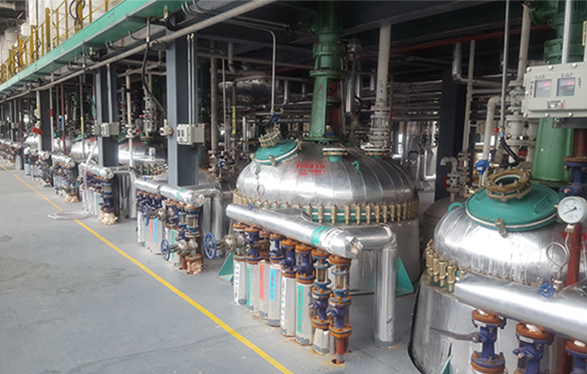
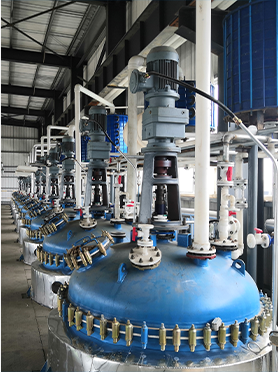
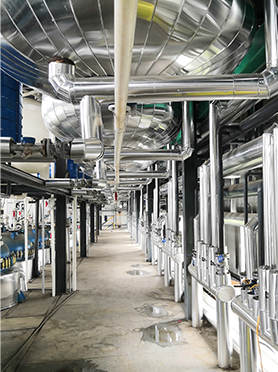
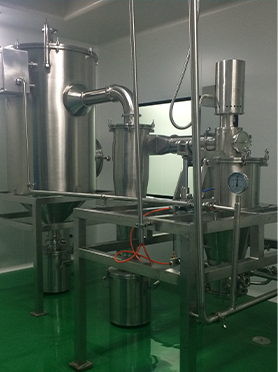
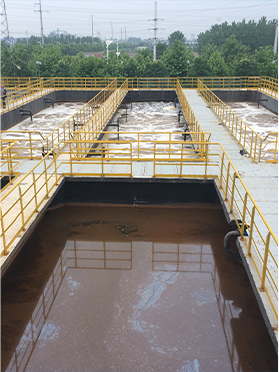
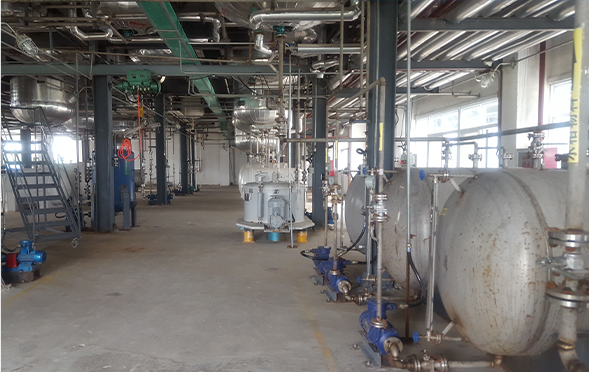
Manufacturing Facilities
Professional Export Experience
to Global Customers
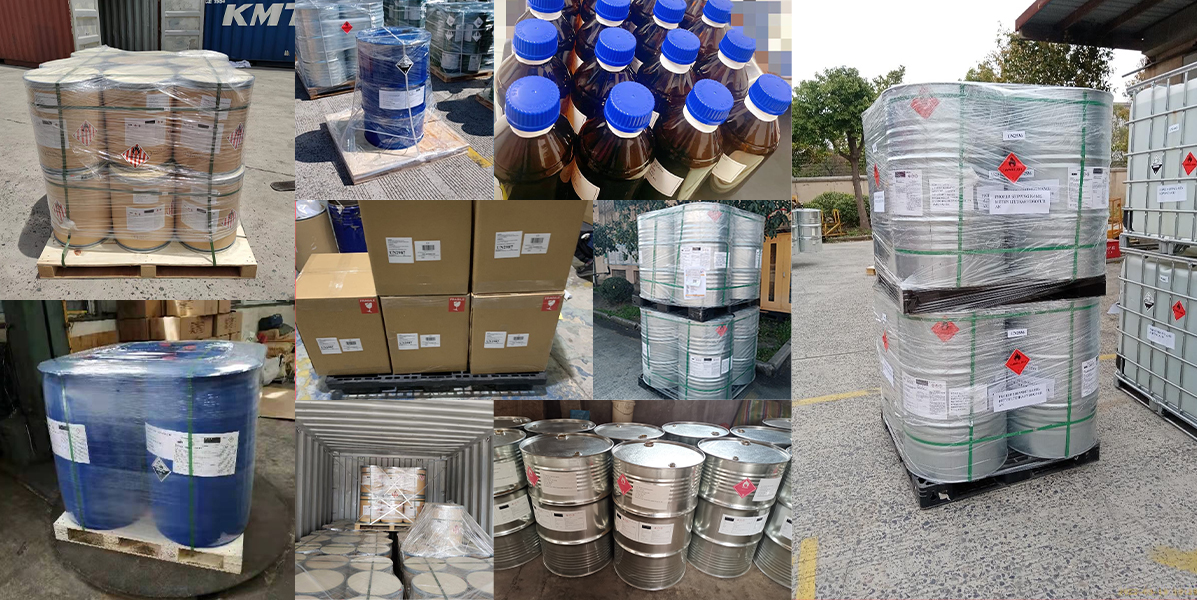
1. 20 years of R&D, manufacturing and sales experience, serving customers in 60 countries and regions around the world;
2. Own R&D laboratory, pilot platform and large-scale production workshop, which can meet the audit requirements of global customers;
3. We can satisfy customers' perfect transition from small scale lab requirements (gram level) to commercialization requirements (hundred tons level).
A: We don't have Minimum Order Quantity, exact quantity should be provided before quotation for us to calculate the exact cost.
A: We don't provide free samples due to lots of request and expensive international courier's cost, we can deduct the sample charge after commercial order placed.
A: Our payment terms: Small or sample order: T/T IN ADVANCE. Commercial order: First order should be by T/T IN ADVANCE or L/C at sight, and following orders T/T 30~90days is acceptable subject to approval of credit application.