
Custom Manufacturing, Project Outsourcing, your Trusted Partner from China
For businesses operating within the pharmaceutical, agrochemical, and fine chemical sectors, the consistent availability of high-quality intermediates is paramount. Among these essential building blocks is 2,6-Diisopropylaniline, commonly known by its acronym DIPA, and identified by CAS number 24544-04-5. This aromatic amine serves as a critical component in the synthesis of a wide array of valuable compounds, from life-saving medications to advanced crop protection agents.
Understanding the role and sourcing of DIPA is crucial for procurement managers, R&D scientists, and formulation chemists. As a chemical intermediate, DIPA's significance lies in its specific molecular structure, which allows for versatile reactions in organic synthesis. Its clear, colorless liquid appearance and a typical purity of 97% or higher make it a sought-after material for demanding applications.
Applications Driving Demand for DIPA
The demand for 2,6-Diisopropylaniline is fueled by its diverse applications:
Sourcing Strategies for DIPA: Quality and Reliability First
When procuring 2,6-Diisopropylaniline, several factors are critical for buyers. Firstly, quality is non-negotiable. Ensuring a high purity level, such as the stated 97% minimum, prevents downstream process issues and guarantees the integrity of the final product. Secondly, reliability of supply is paramount. Partnering with an experienced manufacturer or supplier who can consistently deliver material, especially in bulk, is vital for operational stability. This includes clear communication regarding lead times and production capacities.
For businesses looking to buy 2,6-Diisopropylaniline, exploring manufacturers and suppliers in China offers a strategic advantage. Many Chinese chemical companies have established robust quality control systems and large-scale production capabilities, providing competitive pricing without compromising on quality. When seeking a supplier for 2,6-Diisopropylaniline, it's advisable to look for those with a proven track record in supplying pharmaceutical intermediates and a commitment to customer service.
Navigating the Market: Price and Inquiry
The price of 2,6-Diisopropylaniline can fluctuate based on market demand, raw material costs, and supplier relationships. Buyers are encouraged to request quotes from multiple reputable sources to ensure they are obtaining the best value. A comprehensive inquiry should include details about the required quantity, purity specifications, and desired delivery schedule. Many suppliers offer free samples, which is an excellent way to assess product quality before committing to a larger order.
In conclusion, 2,6-Diisopropylaniline (DIPA) is an indispensable chemical intermediate. By focusing on quality, reliability, and competitive pricing when sourcing this compound, chemical manufacturers can ensure the success of their diverse production and R&D endeavors. Engaging with experienced suppliers who understand the nuances of the chemical supply chain is key to securing this essential material.
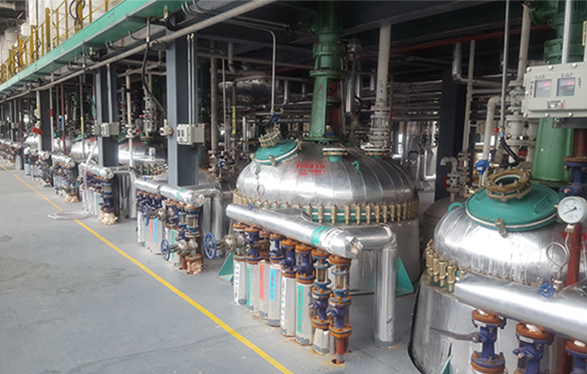
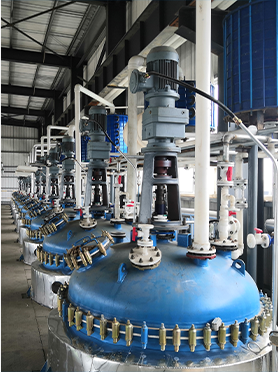
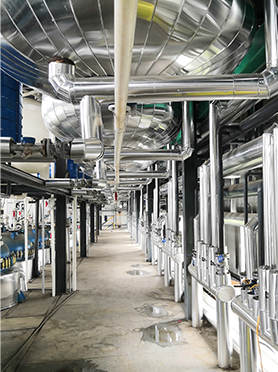
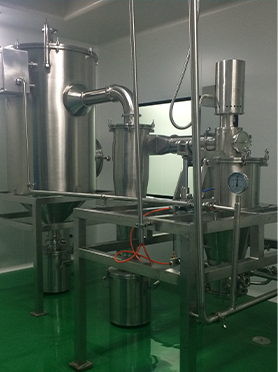
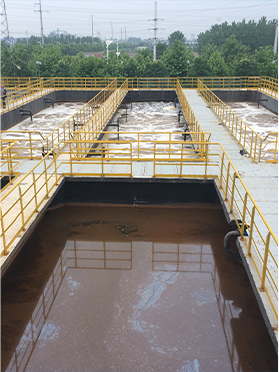
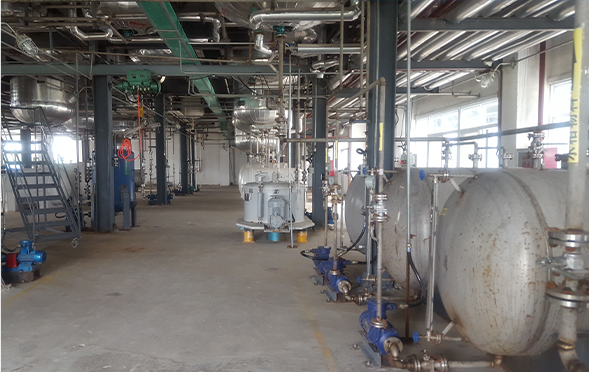
Manufacturing Facilities
Professional Export Experience
to Global Customers
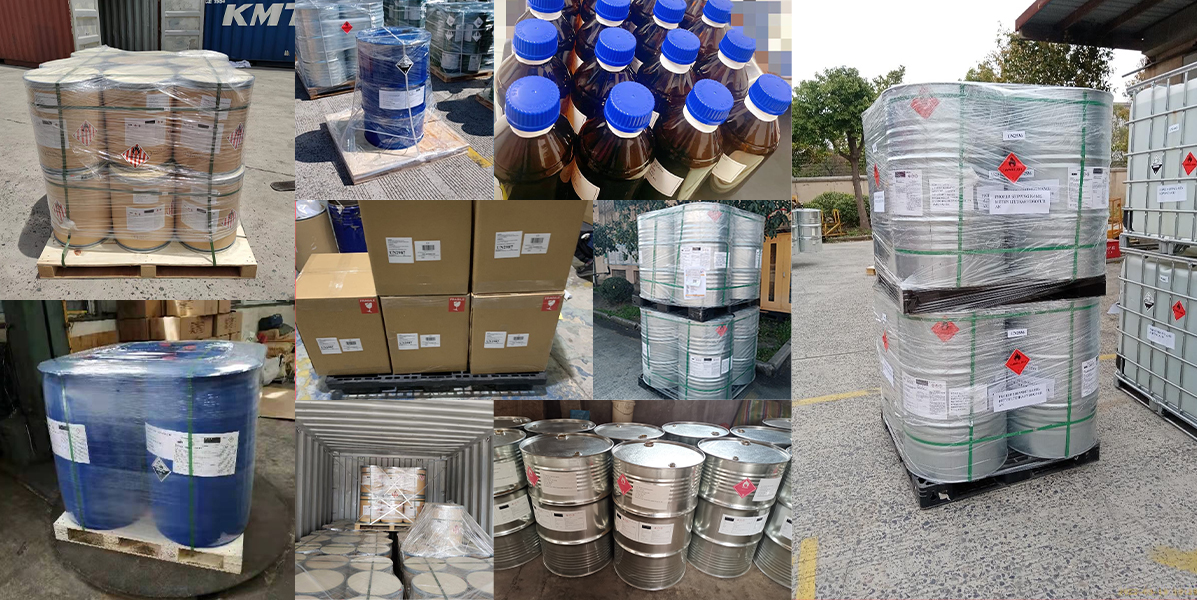
1. 20 years of R&D, manufacturing and sales experience, serving customers in 60 countries and regions around the world;
2. Own R&D laboratory, pilot platform and large-scale production workshop, which can meet the audit requirements of global customers;
3. We can satisfy customers' perfect transition from small scale lab requirements (gram level) to commercialization requirements (hundred tons level).
A: We don't have Minimum Order Quantity, exact quantity should be provided before quotation for us to calculate the exact cost.
A: We don't provide free samples due to lots of request and expensive international courier's cost, we can deduct the sample charge after commercial order placed.
A: Our payment terms: Small or sample order: T/T IN ADVANCE. Commercial order: First order should be by T/T IN ADVANCE or L/C at sight, and following orders T/T 30~90days is acceptable subject to approval of credit application.