
Custom Manufacturing, Project Outsourcing, your Trusted Partner from China
Understanding 1-(2-chloro-4-hydroxyphenyl)-3-cyclopropylurea
1-(2-chloro-4-hydroxyphenyl)-3-cyclopropylurea, identified by CAS number 796848-79-8, is recognized as a metabolite of Lenvatinib. Lenvatinib itself is a potent, orally active inhibitor of multiple receptor tyrosine kinases, playing a significant role in cancer treatment. As a metabolite, this intermediate is crucial for in-depth studies concerning Lenvatinib's pharmacokinetic profile, metabolism, and potential impurities, all of which are essential for regulatory submissions and drug efficacy assessments.
Key Considerations for Sourcing
When procuring 1-(2-chloro-4-hydroxyphenyl)-3-cyclopropylurea, several factors must be prioritized to ensure the integrity and success of your research:
The Advantage of Partnering with China-Based Manufacturers
China has emerged as a global hub for chemical synthesis and manufacturing. For intermediates like 1-(2-chloro-4-hydroxyphenyl)-3-cyclopropylurea, Chinese manufacturers often offer a compelling combination of advanced synthesis capabilities, large-scale production capacity, and competitive pricing. By partnering with reputable Chinese suppliers, pharmaceutical companies can secure a steady and cost-effective supply chain for their critical research materials. It is essential to conduct due diligence, verify supplier credentials, and establish clear communication channels to ensure a smooth procurement process.
Navigating the Purchase Process
For procurement managers and researchers looking to buy 1-(2-chloro-4-hydroxyphenyl)-3-cyclopropylurea, initiating contact with potential suppliers is the first step. Clearly communicate your required quantity, purity specifications, and delivery timelines. Requesting a sample for initial quality assessment is also a standard practice. Understanding the company's manufacturing capacity, commitment to quality control, and ability to provide comprehensive technical documentation will facilitate an informed decision. Leveraging platforms that connect buyers with manufacturers can streamline this process, providing access to a broad spectrum of suppliers who can meet diverse research needs.
In conclusion, sourcing 1-(2-chloro-4-hydroxyphenyl)-3-cyclopropylurea requires a strategic approach that balances quality, reliability, and cost. By understanding the compound's significance and carefully evaluating potential suppliers, research institutions and pharmaceutical companies can ensure they have the essential materials to drive their drug development programs forward. When you need to buy this critical pharmaceutical intermediate, consider established manufacturers in China for consistent quality and value.
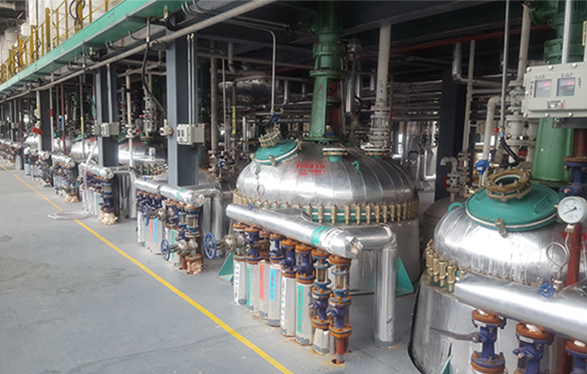
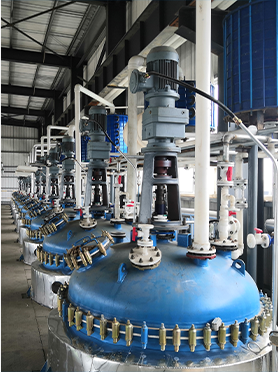
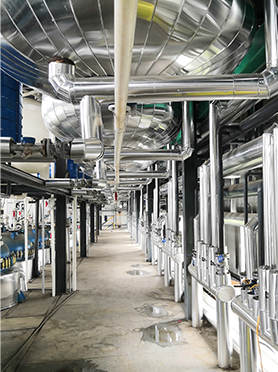
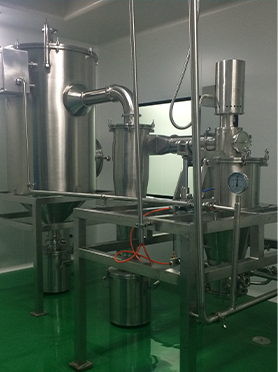
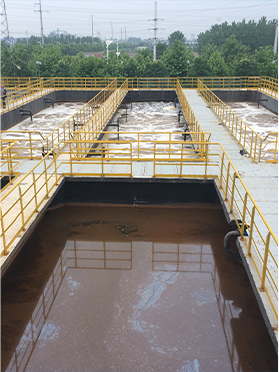
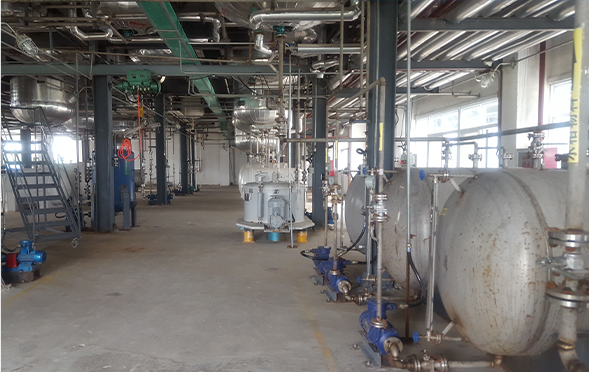
Manufacturing Facilities
Professional Export Experience
to Global Customers
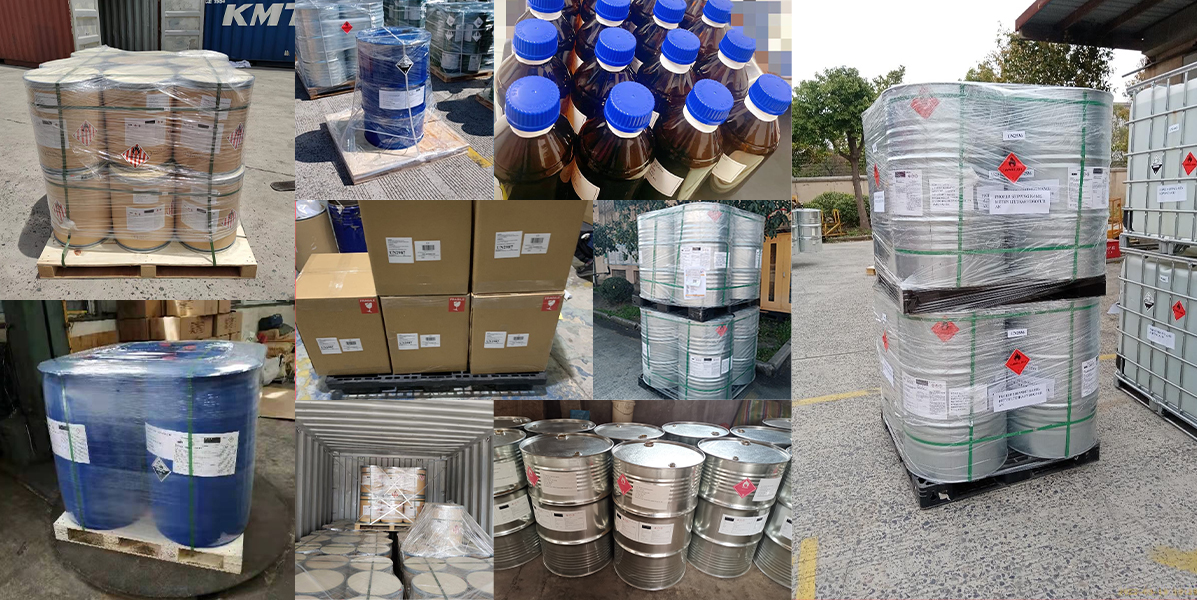
1. 20 years of R&D, manufacturing and sales experience, serving customers in 60 countries and regions around the world;
2. Own R&D laboratory, pilot platform and large-scale production workshop, which can meet the audit requirements of global customers;
3. We can satisfy customers' perfect transition from small scale lab requirements (gram level) to commercialization requirements (hundred tons level).
A: We don't have Minimum Order Quantity, exact quantity should be provided before quotation for us to calculate the exact cost.
A: We don't provide free samples due to lots of request and expensive international courier's cost, we can deduct the sample charge after commercial order placed.
A: Our payment terms: Small or sample order: T/T IN ADVANCE. Commercial order: First order should be by T/T IN ADVANCE or L/C at sight, and following orders T/T 30~90days is acceptable subject to approval of credit application.