20 YEARS OF PROFESSIONAL & DEDICATED SERVICE TO GLOBAL CUSTOMERS

Custom Manufacturing, Project Outsourcing, your Trusted Partner from China

Sourcing Polyacrylamide (PAM): A Practical Guide for Buyers

Navigating the chemical procurement landscape can be complex, especially when dealing with high-volume, performance-critical materials like Polyacrylamide (PAM). For businesses across industries such as water treatment, oil and gas, and papermaking, sourcing reliable and cost-effective PAM is a strategic priority. As a premier manufacturer and supplier of chemical intermediates, we offer a practical guide to help buyers make informed decisions when procuring Polyacrylamide.

Polyacrylamide is a synthetic polymer known for its excellent flocculating, thickening, and friction-reducing properties. Its versatility stems from its high molecular weight and the ability to tailor its ionic charge (anionic, cationic, or nonionic) and other characteristics through copolymerization. Understanding these variations is the first step in effective sourcing:

  • Types of PAM:
    • Anionic PAM (APAM): Best for positively charged particles, common in mineral processing and industrial wastewater.
    • Cationic PAM (CPAM): Ideal for negatively charged organic matter and sludge, crucial for municipal wastewater and textile applications.
    • Nonionic PAM (NPAM): Useful in specific pH ranges or where minimal ionic interaction is desired, often used in papermaking.
    • Amphoteric PAM: Combines both positive and negative charges, offering broad applicability and stable performance across varied water conditions.

When evaluating PAM products, several key specifications demand attention:

  • Molecular Weight: Ranges from thousands to tens of millions of Daltons. Higher molecular weights generally lead to stronger flocculation and greater viscosity, but may also increase dissolution time and cost. The optimal molecular weight depends heavily on the application.
  • Charge Density: The percentage of charged monomer units influences PAM's interaction with suspended particles. This is critical for selecting the correct type (anionic, cationic, etc.) for specific contaminants.
  • Hydrolysis Degree: For APAM, this indicates the conversion of amide groups to carboxylate groups, impacting its anionic charge and solubility.
  • Solid Content: Affects the concentration of active polymer in the product.
  • Appearance: Typically white to off-white powder or granules.

The applications of PAM are vast, each requiring specific properties:

  • Water Treatment: Used for clarifying raw water, treating industrial effluents, and dewatering municipal sludge. The goal is often to achieve efficient solid-liquid separation and reduce sludge volume.
  • Oil & Gas: Vital for Enhanced Oil Recovery (EOR) as a viscosifier and friction reducer, and in hydraulic fracturing fluids. High-performance, shear-stable grades are often required.
  • Papermaking: Acts as a retention aid, drainage aid, and strength enhancer, improving paper quality and production efficiency.

When sourcing PAM, consider the following practical advice:

  • Identify Your Needs: Clearly define the application, the target contaminants, water chemistry (pH, salinity, temperature), and desired outcomes.
  • Request Samples: Always obtain samples for jar testing to determine the most effective product and optimal dosage for your specific conditions.
  • Evaluate Suppliers: Look for manufacturers with a proven track record, robust quality control, and strong technical support. Reliability in supply and competitive pricing are also key.
  • Understand Specifications: Ensure the PAM product meets all necessary technical specifications and regulatory requirements for your industry and region.

As a leading manufacturer and supplier, we are dedicated to providing our clients with high-quality Polyacrylamide that delivers exceptional performance. Our extensive product range, coupled with our commitment to technical support and competitive pricing, makes us an ideal partner for your chemical procurement needs. Contact us today to discuss your requirements and leverage our expertise to find the perfect PAM solution for your operations. We are here to ensure you can efficiently buy the chemicals you need.

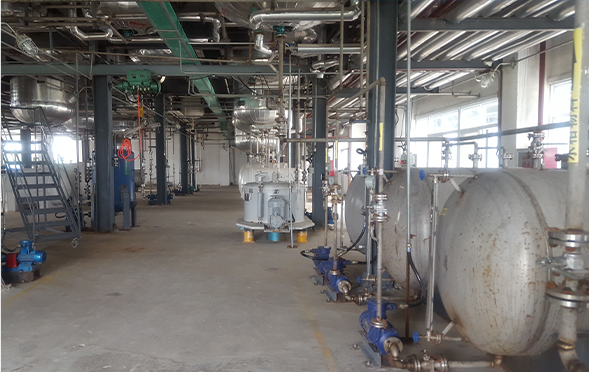
Manufacturing Facilities
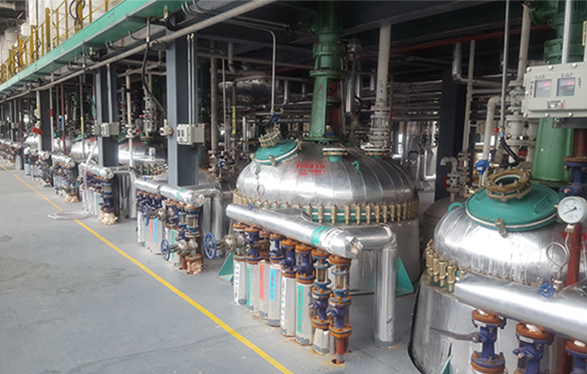
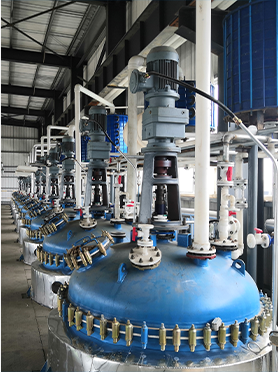
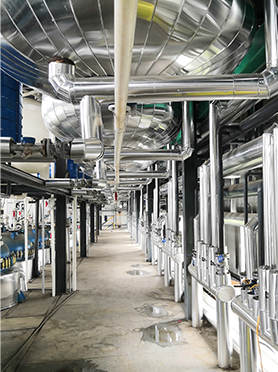
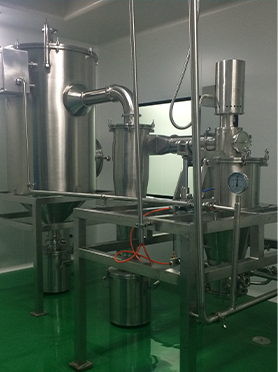
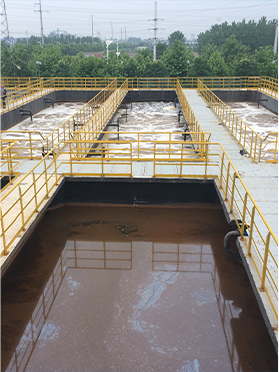
NINGBO INNO PHARMCHEM CO.,LTD. was established in 2007. It is committed to the R&D, production and sales of raw materials, pharmaceutical intermediates and fine chemicals. We striving to create a high-efficiency and high-quality integrated chemical service platform to better serve domestic and foreign customers.

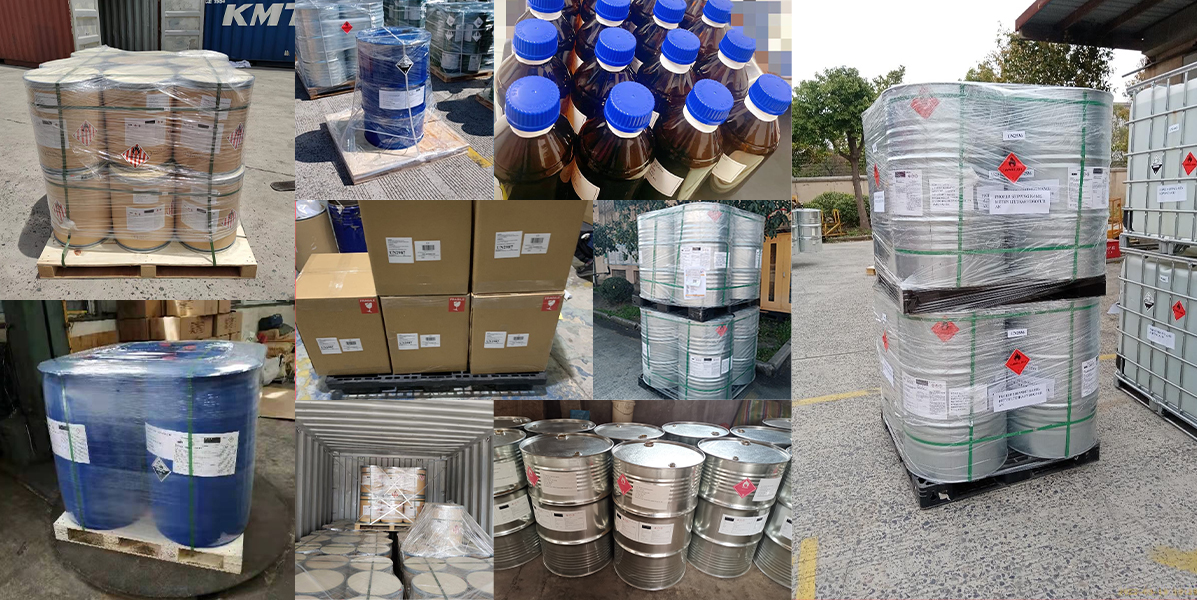
Professional Export Experience

to Global Customers
WHY CHOSE US?

1. 20 years of R&D, manufacturing and sales experience, serving customers in 60 countries and regions around the world;

2. Own R&D laboratory, pilot platform and large-scale production workshop, which can meet the audit requirements of global customers;

3. We can satisfy customers' perfect transition from small scale lab requirements (gram level) to commercialization requirements (hundred tons level).

FAQ

  • A: We don't have Minimum Order Quantity, exact quantity should be provided before quotation for us to calculate the exact cost.

  • A: We don't provide free samples due to lots of request and expensive international courier's cost, we can deduct the sample charge after commercial order placed.

  • A: Our payment terms: Small or sample order: T/T IN ADVANCE. Commercial order: First order should be by T/T IN ADVANCE or L/C at sight, and following orders T/T 30~90days is acceptable subject to approval of credit application.


CONTACT US
Should you need to contact us; you may call during regular business hours, Monday through Friday, 8am – 6 pm.
NINGBO INNO PHARMCHEM CO.,LTD.
Address: No.163 Ruiqing Rd.,Ningbo 315000 China
Phone: 86-574-87319282
Fax: 86-574-27912196
SEND US AN EMAIL

NAME*

EMAIL*

COMPANY

COUNTRY*

MESSAGE*

Previous: Polyacrylamide (PAM) in Industrial Applications: A Buyer's Guide

Next: The Economic Advantage: High-Efficiency Polyacrylamide from Leading Manufacturers

All Rights Reserved