
Custom Manufacturing, Project Outsourcing, your Trusted Partner from China
In modern material science, tailoring the surface properties of materials is often as crucial as modifying their bulk characteristics. Surface modification techniques can dramatically enhance a material's performance, imparting properties such as hydrophobicity, improved adhesion, enhanced chemical resistance, and better dispersibility. Silane coupling agents, particularly functional silanes like 3-Mercaptopropyltrimethoxysilane, are powerful tools for achieving these surface transformations. This article delves into the principles of silane-based surface modification and how these versatile chemicals, available from leading suppliers, are revolutionizing material applications.
The Mechanism of Silane Surface Modification
Silane coupling agents are uniquely equipped to modify surfaces due to their bifunctional nature. The process typically involves the hydrolysis of the alkoxy groups (methoxy or ethoxy) on the silane molecule, catalyzed by water or acids, to form reactive silanol (Si-OH) groups. These silanol groups can then undergo condensation reactions with hydroxyl groups present on the surface of inorganic materials such as glass, silica, metal oxides, and mineral fillers. This condensation forms stable covalent siloxane bonds (Si-O-Surface), effectively tethering the silane molecule to the material's surface. The remaining organic functional group (e.g., mercapto, amino, epoxy) then presents a new chemical interface, ready to interact with organic matrices or other functional materials.
3-Mercaptopropyltrimethoxysilane: A Functional Modifier for Enhanced Performance
3-Mercaptopropyltrimethoxysilane (CAS 4420-74-0) is a prime example of a silane that offers distinct advantages for surface modification:
For manufacturers aiming to leverage these surface modification benefits, it is crucial to buy 3-Mercaptopropyltrimethoxysilane from a reliable manufacturer. Companies that specialize in silane production, particularly those in China, often provide high-purity products with detailed technical data, ensuring consistent and effective surface treatment. Competitive prices from these sources also make advanced surface modification more accessible.
Industries Benefiting from Silane Surface Modification
The application of silane coupling agents for surface modification is widespread:
The ability to precisely tune surface properties using silane coupling agents like 3-Mercaptopropyltrimethoxysilane offers significant advantages in material design and product development. By working with an expert chemical auxiliary supplier, industries can unlock new levels of performance and innovation through tailored surface treatments.
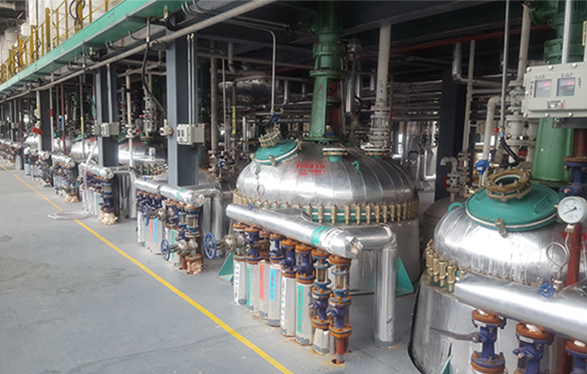
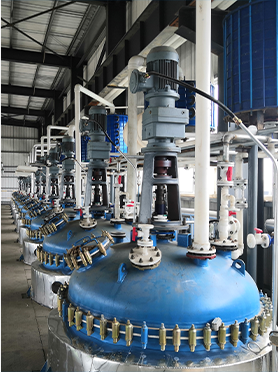
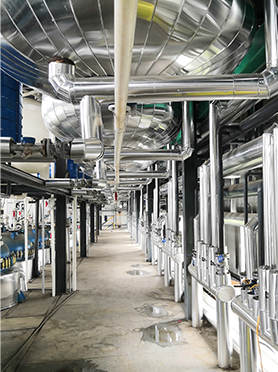
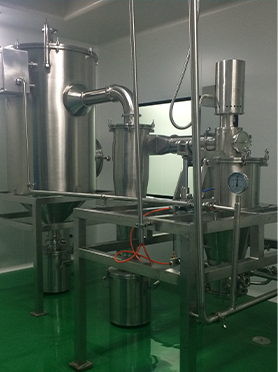
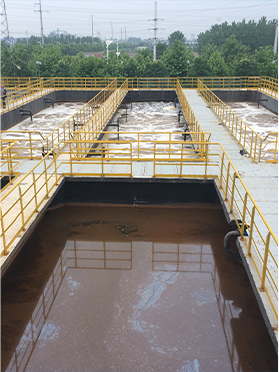
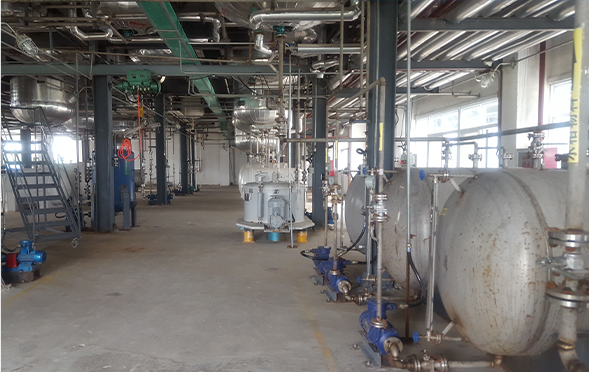
Manufacturing Facilities
Professional Export Experience
to Global Customers
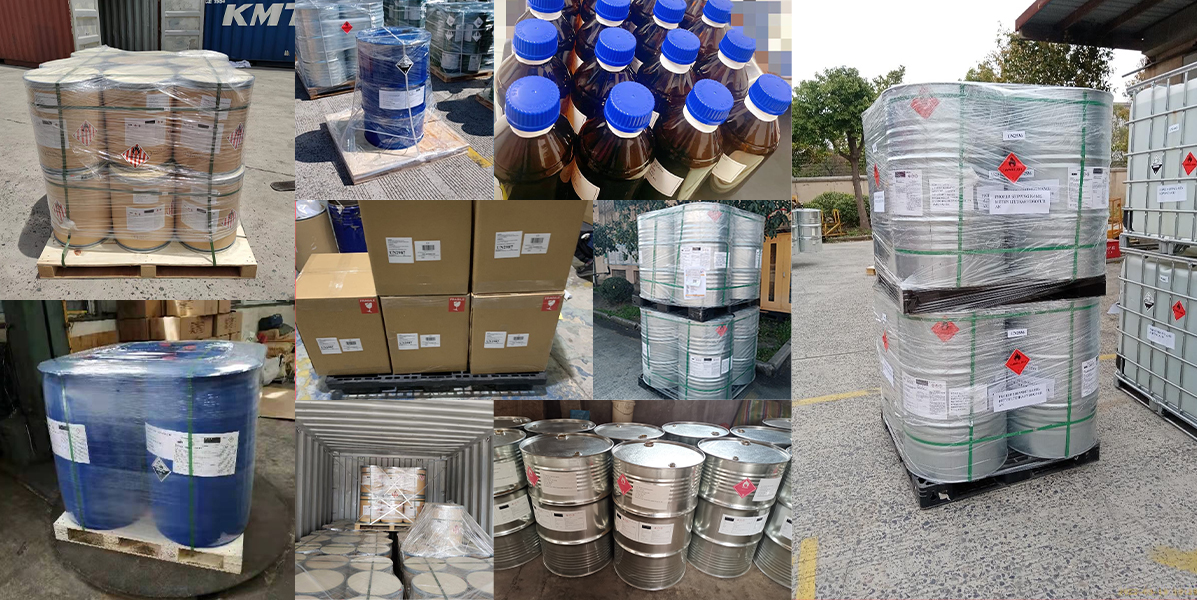
1. 20 years of R&D, manufacturing and sales experience, serving customers in 60 countries and regions around the world;
2. Own R&D laboratory, pilot platform and large-scale production workshop, which can meet the audit requirements of global customers;
3. We can satisfy customers' perfect transition from small scale lab requirements (gram level) to commercialization requirements (hundred tons level).
A: We don't have Minimum Order Quantity, exact quantity should be provided before quotation for us to calculate the exact cost.
A: We don't provide free samples due to lots of request and expensive international courier's cost, we can deduct the sample charge after commercial order placed.
A: Our payment terms: Small or sample order: T/T IN ADVANCE. Commercial order: First order should be by T/T IN ADVANCE or L/C at sight, and following orders T/T 30~90days is acceptable subject to approval of credit application.