
Custom Manufacturing, Project Outsourcing, your Trusted Partner from China
In today's environmentally conscious market, the textile industry is increasingly focused on sustainable practices, including the sourcing of eco-friendly dyes. Disperse Blue 56, a staple for polyester dyeing, is no exception. This article is aimed at procurement managers and sustainability officers who are seeking to understand the environmental aspects of Disperse Blue 56 production and identify manufacturers and suppliers committed to greener chemical practices. We’ll explore the evolution of production methods and what to look for in a responsible supplier.
Historically, some chemical manufacturing processes have involved hazardous materials or generated significant wastewater. The production of Disperse Blue 56 is no different. Early methods, such as the mercury method, required mercury sulfate as a sulfonation locator, leading to mercury-containing wastewater and significant environmental pollution. Consequently, this method has been largely discontinued by responsible manufacturers. Understanding the production pathway is therefore crucial when you intend to buy Disperse Blue 56.
Modern and more sustainable production methods for Disperse Blue 56, such as the phenoxy or methoxy processes, are now preferred. These methods, starting with anthraquinone as a raw material, involve nitration, purification, and subsequent reactions without the use of mercury. Manufacturers focusing on sustainability will typically detail their compliance with environmental regulations and may hold certifications such as OEKO-TEX or ZDHC (Zero Discharge of Hazardous Chemicals). When sourcing, inquire about the production processes and any environmental certifications held by the Disperse Blue 56 manufacturer.
When evaluating a supplier in China or elsewhere, look beyond just the Disperse Blue 56 price. Consider their commitment to environmental stewardship. Do they have robust wastewater treatment facilities? Are they actively working to reduce their carbon footprint? Many leading chemical companies are investing in R&D to develop more efficient and less polluting synthesis routes for dyes. Choosing a supplier that prioritizes these aspects aligns with corporate social responsibility goals and consumer demand for sustainable products.
Moreover, the efficient use of water and energy during the dyeing process itself is also a factor in sustainability. While this is more related to the textile mill's operations, the quality and dispersion of the Disperse Blue 56 provided by the supplier can influence resource consumption. A well-dispersed, high-strength dye may require less dye and energy to achieve the desired shade.
In conclusion, the shift towards sustainable chemistry impacts the entire value chain, including dye manufacturing. For businesses looking to integrate greener practices, carefully selecting Disperse Blue 56 manufacturers and suppliers who employ environmentally sound production methods is essential. By prioritizing sustainability alongside quality and price, textile companies can contribute to a more responsible industry and meet the growing expectations of environmentally conscious consumers.
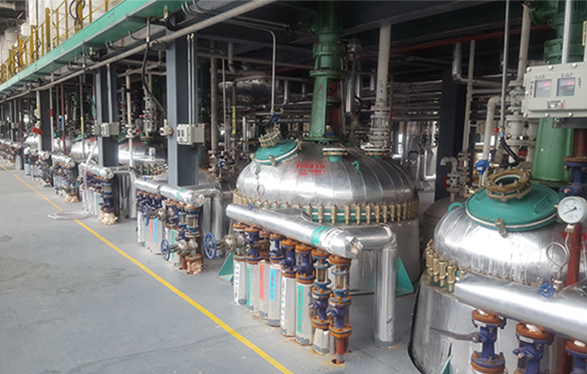
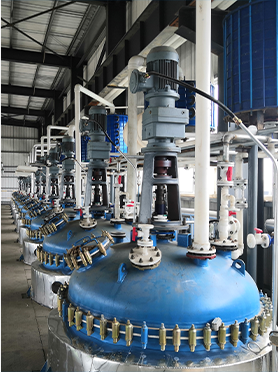
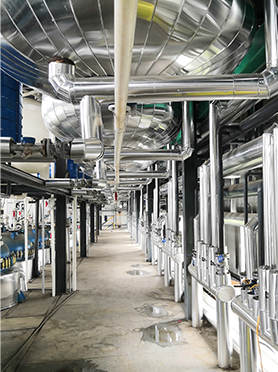
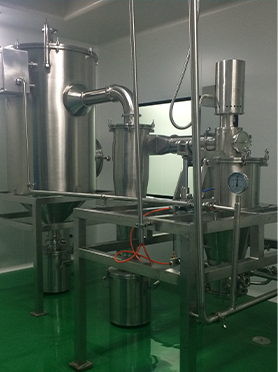
Manufacturing Facilities
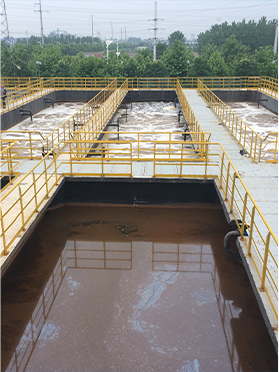
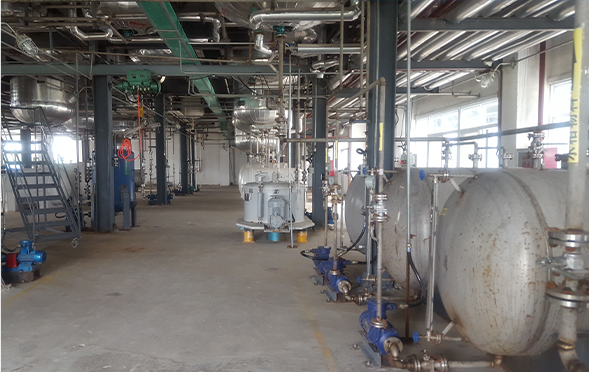
Professional Export Experience
to Global Customers
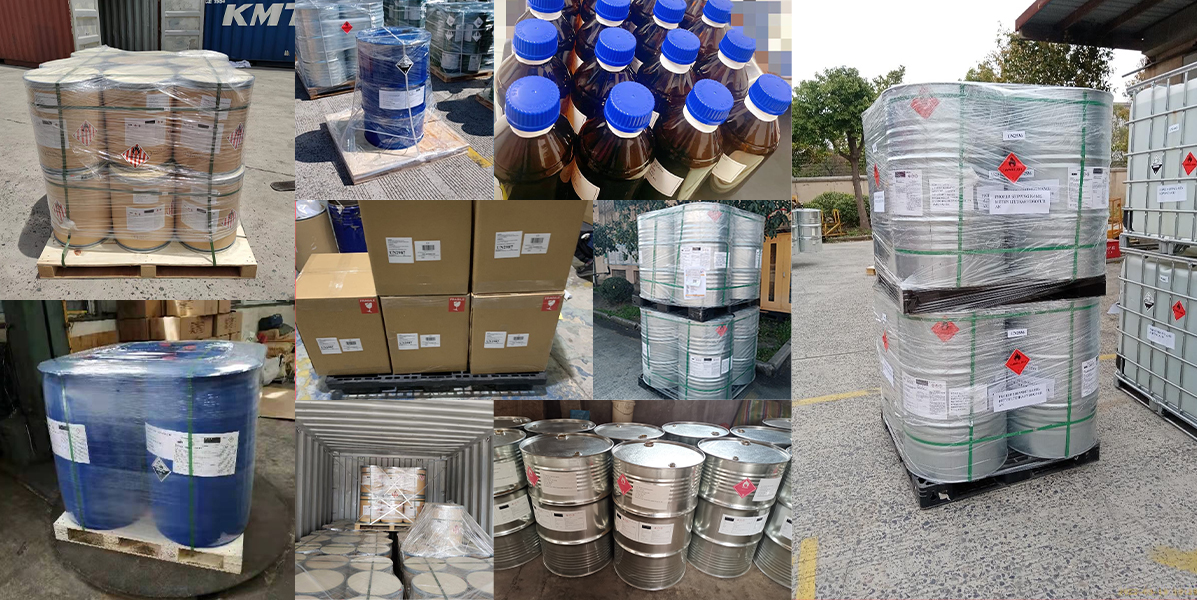
1. 20 years of R&D, manufacturing and sales experience, serving customers in 60 countries and regions around the world;
2. Own R&D laboratory, pilot platform and large-scale production workshop, which can meet the audit requirements of global customers;
3. We can satisfy customers' perfect transition from small scale lab requirements (gram level) to commercialization requirements (hundred tons level).
A: We don't have Minimum Order Quantity, exact quantity should be provided before quotation for us to calculate the exact cost.
A: We don't provide free samples due to lots of request and expensive international courier's cost, we can deduct the sample charge after commercial order placed.
A: Our payment terms: Small or sample order: T/T IN ADVANCE. Commercial order: First order should be by T/T IN ADVANCE or L/C at sight, and following orders T/T 30~90days is acceptable subject to approval of credit application.