Custom Manufacturing, Project Outsourcing, your Trusted Partner from China
In the realm of polymer science and manufacturing, achieving effective flame retardancy is a critical challenge. While various flame retardant additives exist, Antimony Trioxide (Sb2O3) stands out for its exceptional synergistic capabilities. This white, powdery compound, often identified by its CAS number 1309-64-4, is not a primary flame retardant but rather a powerful enhancer when combined with other flame retardant chemistries, particularly those containing halogens. Understanding this synergistic mechanism is key for any manufacturer seeking to optimize fire safety in their products.
The core of Antimony Trioxide's efficacy lies in its interaction with halogenated compounds, such as brominated or chlorinated flame retardants, during the combustion process. When exposed to heat, Sb2O3 undergoes reactions that lead to the formation of volatile antimony halides. These antimony halides then migrate into the gas phase above the burning material. Here, they act as radical scavengers, effectively trapping the highly reactive free radicals (like H• and OH•) that are essential for sustaining the flame. By interrupting this radical chain reaction, the combustion process is significantly slowed down or even halted. This gas-phase inhibition is a primary reason for Antimony Trioxide's effectiveness.
In addition to its gas-phase action, Antimony Trioxide also plays a role in the solid phase. It can promote the formation of a stable char layer on the surface of the polymer. This char acts as an insulating barrier, shielding the underlying material from heat and oxygen, and also reducing the release of flammable volatile gases. The combination of these gas-phase and solid-phase mechanisms makes Antimony Trioxide an exceptionally effective synergist, allowing for lower overall loadings of flame retardant systems while achieving higher levels of fire safety performance.
This synergistic effect is particularly vital in applications where materials must meet rigorous fire safety standards, such as in electrical insulation, automotive components, and building materials. For manufacturers working with polymers like PVC, polyolefins, and ABS, incorporating Antimony Trioxide with halogenated flame retardants is often the most cost-effective and performance-driven approach. As a dedicated supplier, we provide high-purity Antimony Trioxide, ensuring that manufacturers can leverage its full synergistic potential. If you are looking to buy Antimony Trioxide or require a competitive quote for CAS 1309-64-4 to enhance your polymer's flame retardancy, our team is ready to assist you.
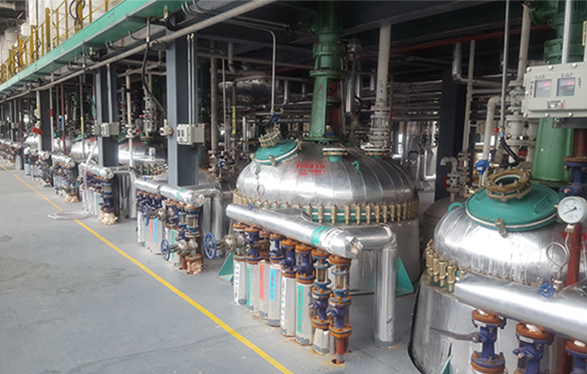
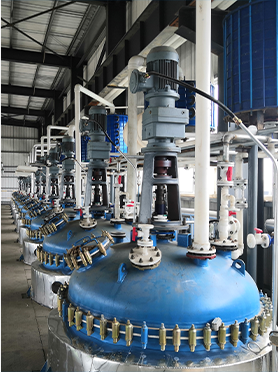
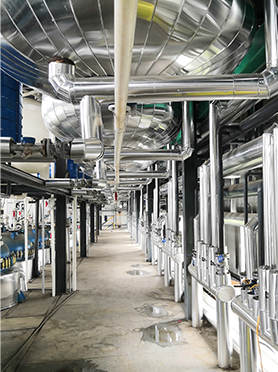
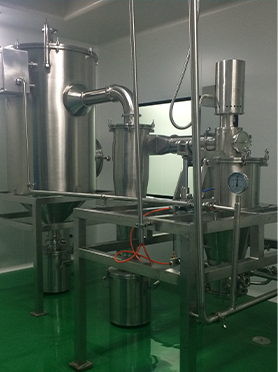
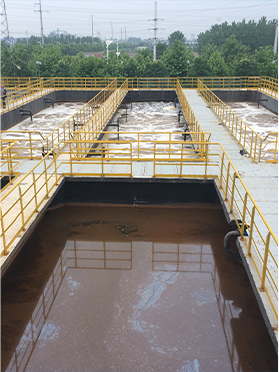
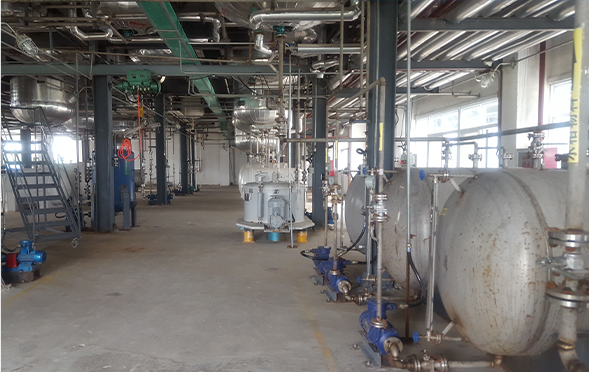
Manufacturing Facilities
Professional Export Experience
to Global Customers
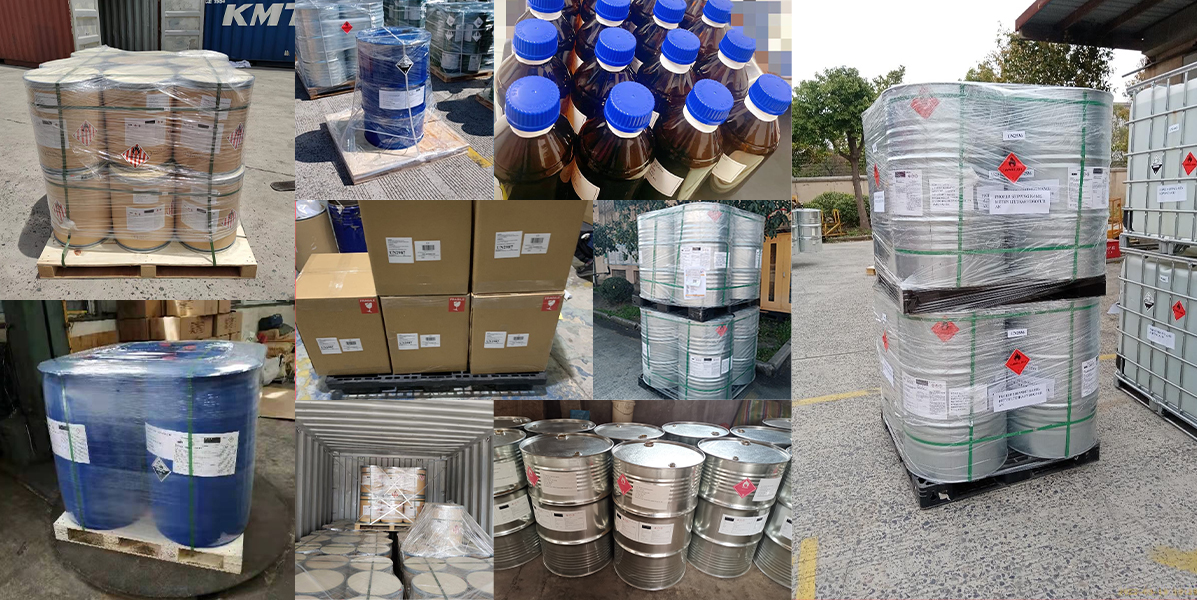
1. 20 years of R&D, manufacturing and sales experience, serving customers in 60 countries and regions around the world;
2. Own R&D laboratory, pilot platform and large-scale production workshop, which can meet the audit requirements of global customers;
3. We can satisfy customers' perfect transition from small scale lab requirements (gram level) to commercialization requirements (hundred tons level).
A: We don't have Minimum Order Quantity, exact quantity should be provided before quotation for us to calculate the exact cost.
A: We don't provide free samples due to lots of request and expensive international courier's cost, we can deduct the sample charge after commercial order placed.
A: Our payment terms: Small or sample order: T/T IN ADVANCE. Commercial order: First order should be by T/T IN ADVANCE or L/C at sight, and following orders T/T 30~90days is acceptable subject to approval of credit application.