
Custom Manufacturing, Project Outsourcing, your Trusted Partner from China
The synthesis of 2,4-Dichloro-1,8-naphthyridine (CAS 59514-89-5) is a critical process for chemical manufacturers supplying key intermediates to the pharmaceutical and materials science industries. Understanding the various synthetic pathways allows for optimized production, ensuring high purity and cost-effectiveness.
One of the most established methods for constructing the 1,8-naphthyridine scaffold, which is then chlorinated, is the Friedländer condensation. This reaction typically involves the condensation of a 2-aminonicotinaldehyde derivative with a compound containing a reactive α-methylene group. Modern variations often employ catalysts and microwave irradiation to shorten reaction times and improve yields, making it an attractive option for industrial scale-up. Manufacturers seeking efficient synthesis can benefit from optimizing these conditions.
Another vital approach is the Vilsmeier-Haack reaction, particularly useful for introducing both a formyl group and a chlorine atom. The reaction of an N-acylaminopyridine with a Vilsmeier reagent (e.g., phosphorus oxychloride and dimethylformamide) can regioselectively yield chlorinated formyl-naphthyridine intermediates. These intermediates are highly versatile and can be further modified to produce a range of valuable compounds. Sourcing these specific intermediates or the reagents for their synthesis is a key consideration for chemical suppliers.
Direct chlorination of hydroxyl or oxo-substituted 1,8-naphthyridines is also a prevalent strategy for obtaining dichloro-naphthyridine derivatives. The use of strong chlorinating agents like phosphorus oxychloride (POCl₃), often in conjunction with phosphorus pentachloride (PCl₅), is common. For instance, starting from 1,8-naphthyridine-2,7-dione and treating it with POCl₃/PCl₅ under reflux conditions yields 2,7-dichloro-1,8-naphthyridine. While this is an isomer, the principle applies to the synthesis of the 2,4-dichloro variant from its corresponding precursor. Manufacturers must carefully control reaction conditions to manage potential side reactions and ensure product purity.
The selection of a synthesis method by a chemical supplier or manufacturer depends on factors such as raw material availability, desired purity, production scale, and cost considerations. For those looking to purchase 2,4-Dichloro-1,8-naphthyridine or explore custom synthesis services, partnering with experienced manufacturers is essential. These suppliers can provide high-quality intermediates vital for ongoing research and product development across diverse scientific fields.
As a leading supplier of fine chemical intermediates, we understand the importance of reliable and efficient synthesis. We offer 2,4-Dichloro-1,8-naphthyridine to meet the demands of researchers and product developers worldwide. Contact us to inquire about bulk purchases or to discuss your specific synthesis needs.
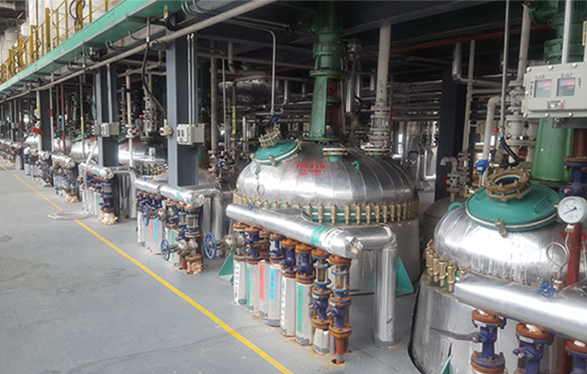
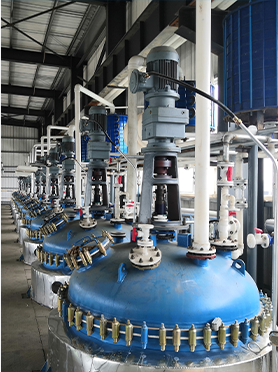
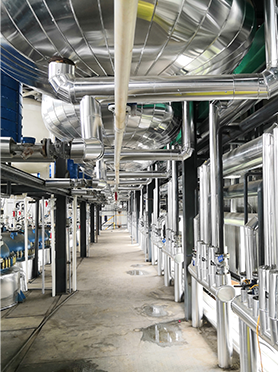
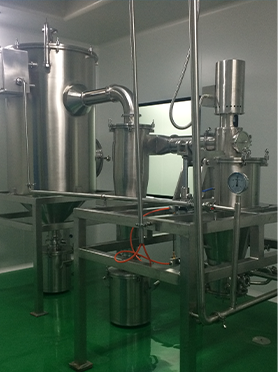
Manufacturing Facilities
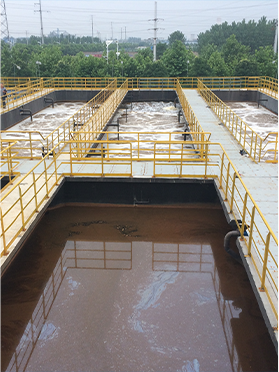
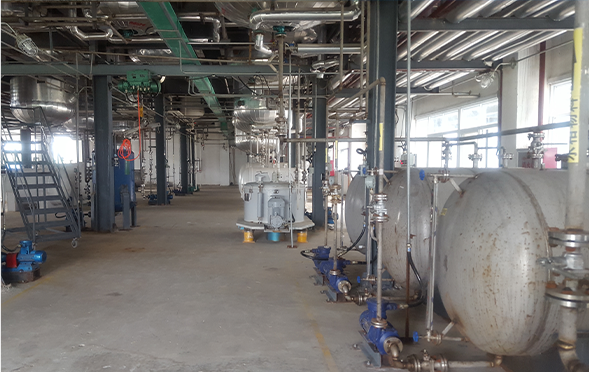
Professional Export Experience
to Global Customers
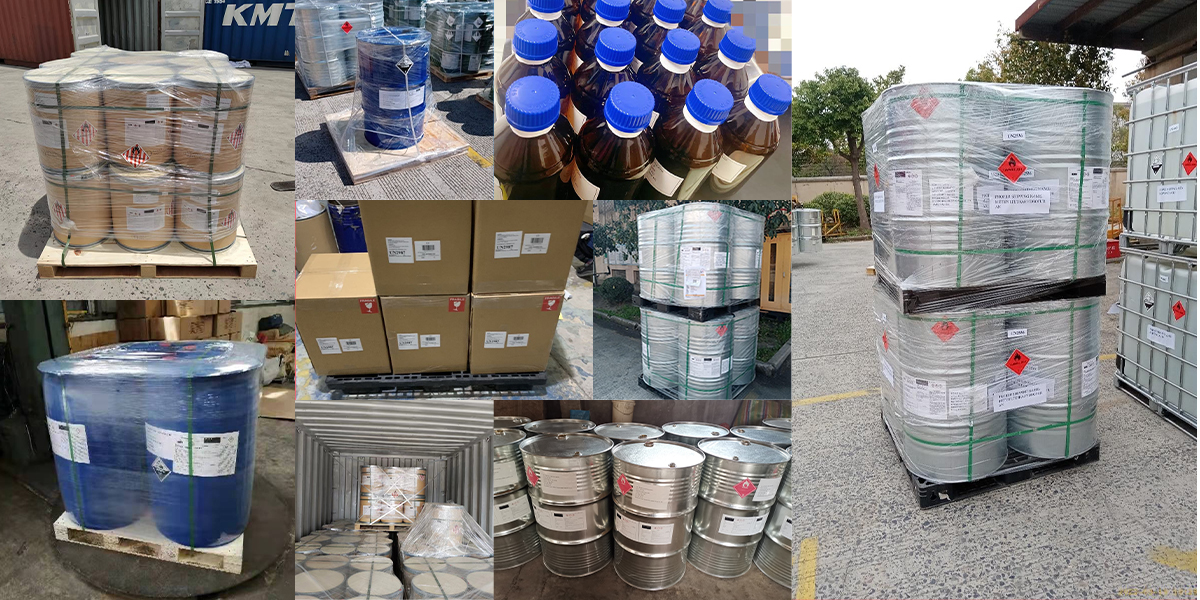
1. 20 years of R&D, manufacturing and sales experience, serving customers in 60 countries and regions around the world;
2. Own R&D laboratory, pilot platform and large-scale production workshop, which can meet the audit requirements of global customers;
3. We can satisfy customers' perfect transition from small scale lab requirements (gram level) to commercialization requirements (hundred tons level).
A: We don't have Minimum Order Quantity, exact quantity should be provided before quotation for us to calculate the exact cost.
A: We don't provide free samples due to lots of request and expensive international courier's cost, we can deduct the sample charge after commercial order placed.
A: Our payment terms: Small or sample order: T/T IN ADVANCE. Commercial order: First order should be by T/T IN ADVANCE or L/C at sight, and following orders T/T 30~90days is acceptable subject to approval of credit application.