
Custom Manufacturing, Project Outsourcing, your Trusted Partner from China
The field of fine chemicals is driven by the development and availability of specialized intermediates that unlock complex synthetic pathways. Among these, (2,2-Dichlorocyclopropyl)benzene (CAS 2415-80-7) stands out due to its unique structure and utility, particularly in the pharmaceutical and materials science sectors. This article explores its synthesis, key characteristics, and the critical role it plays as a chemical intermediate.
Manufacturing Process and Chemical Properties
The synthesis of (2,2-Dichlorocyclopropyl)benzene typically begins with readily available starting materials like styrene. Through a carefully controlled reaction involving dichloromethane, chloroform, and a phase transfer catalyst (like TEBA), followed by treatment with a lye solution, the target compound can be synthesized with high yield and purity. Post-reaction purification, often involving high-vacuum distillation, ensures the product meets stringent quality standards, commonly achieving an assay of 99% purity. The physical properties include a transparent colorless to very slightly yellow liquid appearance, with a specific gravity of 1.208 g/mL at 25 °C. Its molecular formula is C9H8Cl2.
Industrial Significance and Applications
The primary industrial significance of (2,2-Dichlorocyclopropyl)benzene lies in its function as a key intermediate for synthesizing ciprofibrate. This hypolipidemic drug is essential for treating certain types of hyperlipoproteinemia. The compound's structure allows for precise modifications through various chemical reactions, making it an attractive precursor for pharmaceutical researchers. Furthermore, its potential applications extend to materials science, where it might be incorporated into polymers to impart novel properties, and in the broader realm of fine chemical synthesis for specialty products like fragrances and dyes. As a chemical supplier, offering this versatile intermediate facilitates innovation across multiple industries.
Procurement and Market Considerations
For companies looking to buy (2,2-Dichlorocyclopropyl)benzene, sourcing from reputable manufacturers is paramount. When making a purchase decision, it is advisable to compare prices from various suppliers, especially those based in China, who often provide factory-direct pricing for bulk orders. Key considerations include the guaranteed purity (e.g., 98.0% or 99%), packaging options (e.g., 200kg drums), and the availability of supporting documentation such as SDS and TDS. By engaging with experienced chemical manufacturers, buyers can ensure they are obtaining a high-quality intermediate that meets their exacting requirements for research and industrial production.
In summary, (2,2-Dichlorocyclopropyl)benzene is a valuable and versatile organic intermediate. Its efficient synthesis, high purity, and critical applications in pharmaceuticals and materials science make it a sought-after compound. Reliable sourcing from manufacturers is key to unlocking its full potential.
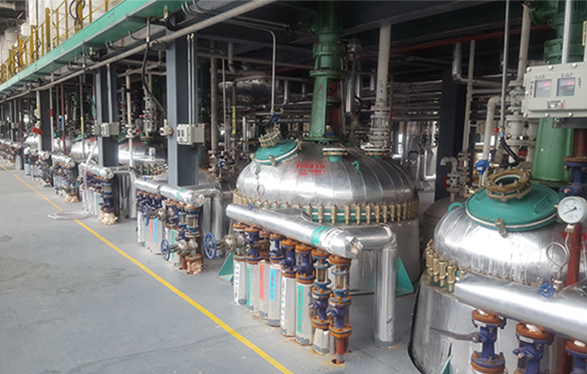
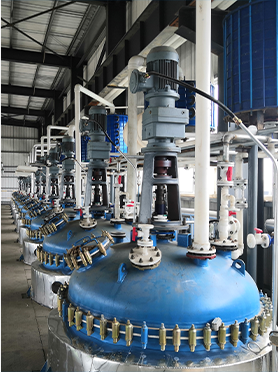
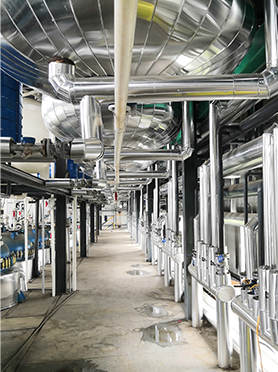
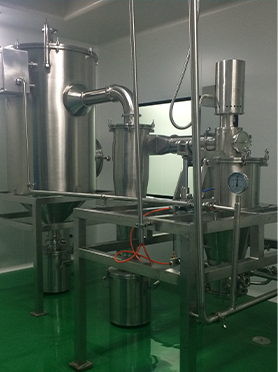
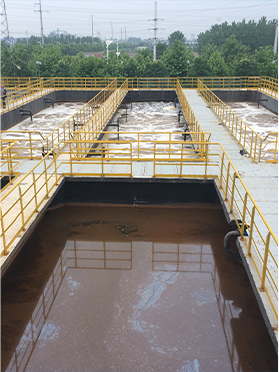
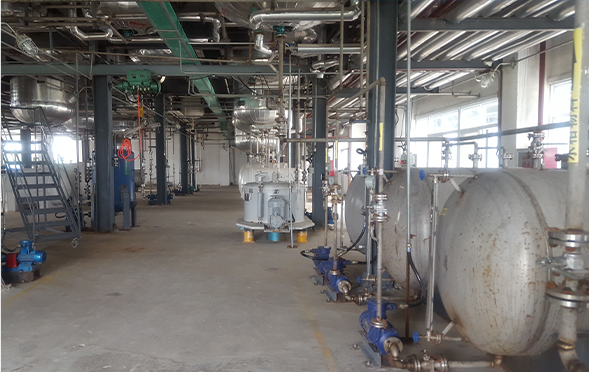
Manufacturing Facilities
Professional Export Experience
to Global Customers
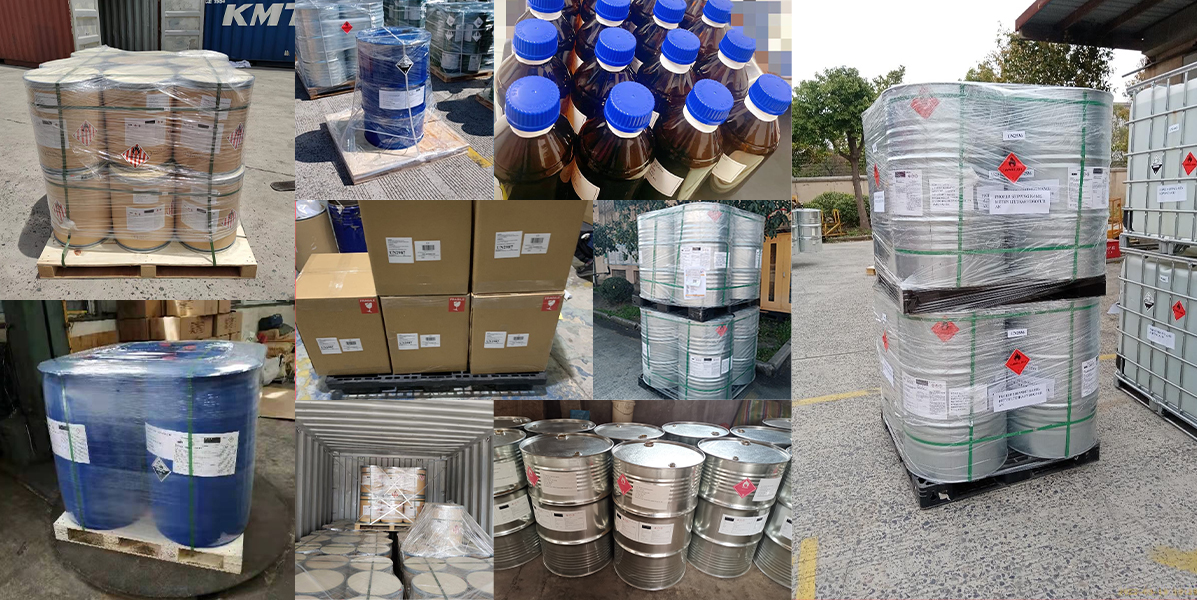
1. 20 years of R&D, manufacturing and sales experience, serving customers in 60 countries and regions around the world;
2. Own R&D laboratory, pilot platform and large-scale production workshop, which can meet the audit requirements of global customers;
3. We can satisfy customers' perfect transition from small scale lab requirements (gram level) to commercialization requirements (hundred tons level).
A: We don't have Minimum Order Quantity, exact quantity should be provided before quotation for us to calculate the exact cost.
A: We don't provide free samples due to lots of request and expensive international courier's cost, we can deduct the sample charge after commercial order placed.
A: Our payment terms: Small or sample order: T/T IN ADVANCE. Commercial order: First order should be by T/T IN ADVANCE or L/C at sight, and following orders T/T 30~90days is acceptable subject to approval of credit application.