
Custom Manufacturing, Project Outsourcing, your Trusted Partner from China
4-Chloro-3-nitrotoluene (CAS 89-60-1) is a chemical compound that plays a vital role as an intermediate in various industrial synthesis processes. Its unique structure, characterized by a toluene ring substituted with a chlorine atom and a nitro group, imparts specific reactivity that is leveraged in the production of pharmaceuticals, agrochemicals, dyes, and other fine chemicals. This article provides a comprehensive overview of its synthesis, properties, and multifaceted applications.
Synthesis Routes for 4-Chloro-3-nitrotoluene
The industrial production of 4-Chloro-3-nitrotoluene primarily relies on established synthetic methodologies. The most common routes include:
Continuous efforts are being made to develop greener and more efficient synthesis methods, incorporating principles of green chemistry to reduce waste and improve sustainability. This includes exploring alternative nitrating agents and catalytic systems.
Physical and Chemical Properties
4-Chloro-3-nitrotoluene is typically observed as a light yellow liquid. Key properties include:
The presence of the nitro and chloro groups renders the aromatic ring electron-deficient, influencing its reactivity in subsequent chemical transformations.
Key Applications of 4-Chloro-3-nitrotoluene
The industrial significance of 4-Chloro-3-nitrotoluene lies in its versatility as an intermediate:
Quality and Sourcing Considerations
For B2B clients, procuring high-purity 4-Chloro-3-nitrotoluene is essential for ensuring the success of their synthetic processes. Manufacturers focus on delivering products with guaranteed assay percentages and consistent quality. Buyers can purchase this intermediate in various quantities, from laboratory research scales to industrial bulk orders, from reputable chemical suppliers and manufacturers worldwide.
In summary, 4-Chloro-3-nitrotoluene is a critically important chemical intermediate whose synthesis and application continue to be areas of active development. Its role in enabling the creation of diverse end-products underscores its enduring value in the chemical industry.
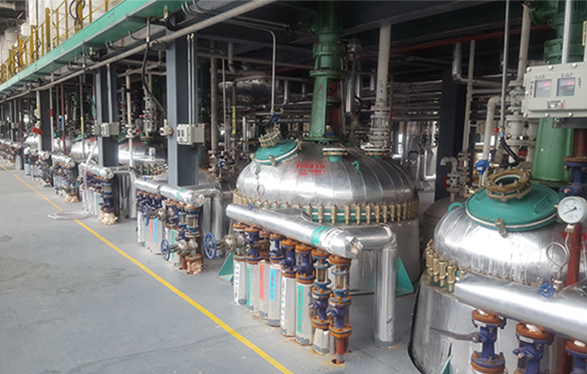
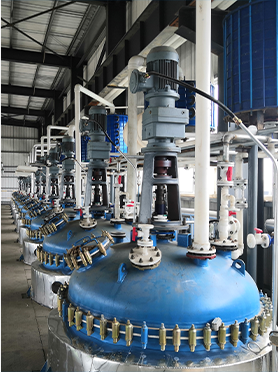
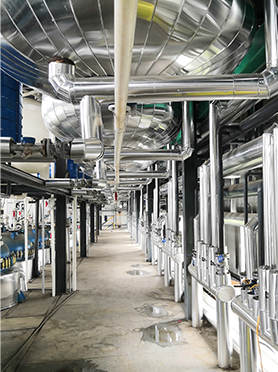
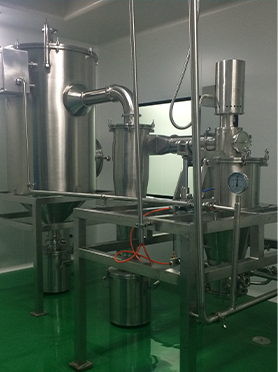
Manufacturing Facilities
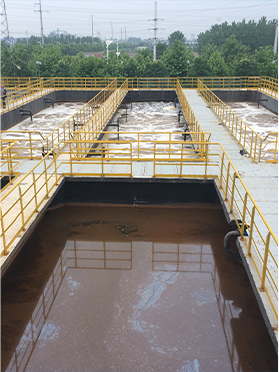
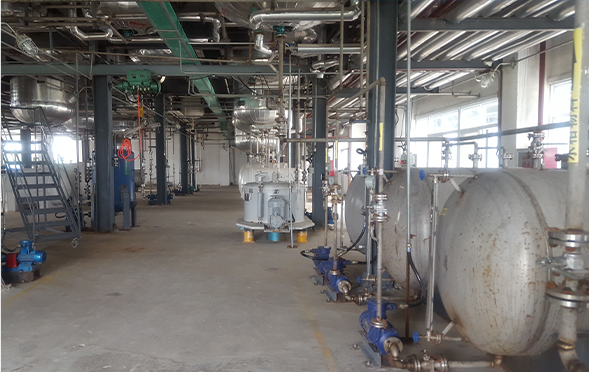
Professional Export Experience
to Global Customers
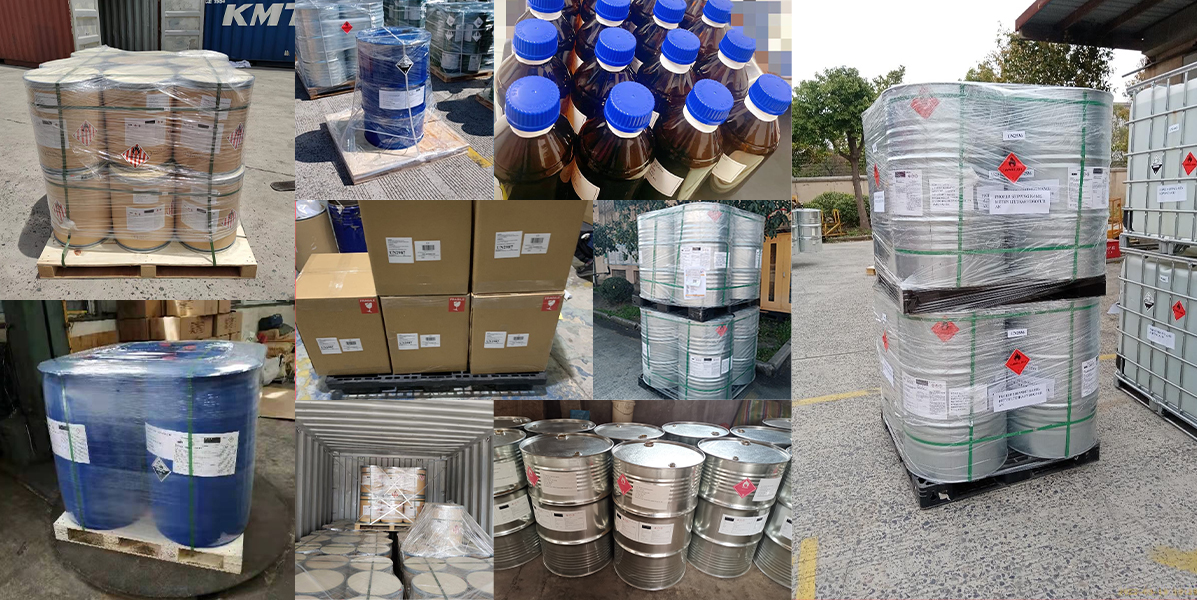
1. 20 years of R&D, manufacturing and sales experience, serving customers in 60 countries and regions around the world;
2. Own R&D laboratory, pilot platform and large-scale production workshop, which can meet the audit requirements of global customers;
3. We can satisfy customers' perfect transition from small scale lab requirements (gram level) to commercialization requirements (hundred tons level).
A: We don't have Minimum Order Quantity, exact quantity should be provided before quotation for us to calculate the exact cost.
A: We don't provide free samples due to lots of request and expensive international courier's cost, we can deduct the sample charge after commercial order placed.
A: Our payment terms: Small or sample order: T/T IN ADVANCE. Commercial order: First order should be by T/T IN ADVANCE or L/C at sight, and following orders T/T 30~90days is acceptable subject to approval of credit application.