
Custom Manufacturing, Project Outsourcing, your Trusted Partner from China
The efficacy of ultraviolet (UV) curing technology hinges on sophisticated chemical compounds known as photoinitiators. Among these, Diphenyl(2,4,6-trimethylbenzoyl)phosphine Oxide (TPO) has garnered significant attention for its exceptional performance in initiating polymerization reactions. Understanding the chemical synthesis and properties of TPO is crucial for R&D scientists and product developers aiming to leverage its full potential in their formulations. NINGBO INNO PHARMCHEM CO.,LTD., as a manufacturer and supplier, is committed to providing high-quality TPO and sharing relevant technical knowledge.
Diphenyl(2,4,6-trimethylbenzoyl)phosphine Oxide, with the CAS number 75980-60-8, possesses a distinct molecular structure that dictates its photochemical behavior. Its chemical formula is C22H21O2P, and its molecular weight is approximately 348.37 g/mol. The molecule consists of a central phosphorus atom bonded to an oxygen atom, two phenyl rings, and a 2,4,6-trimethylbenzoyl group. This specific arrangement, particularly the presence of the phosphine oxide and the trimethylbenzoyl moieties, is responsible for TPO's ability to absorb UV light and generate free radicals efficiently.
Key chemical and physical properties include:
The industrial synthesis of TPO typically involves a multi-step chemical process designed to achieve high yields and purity. While specific proprietary methods may vary among manufacturers, a common route involves the reaction of a benzoyl halide derivative with a phosphine oxide or phosphine precursor.
One generalized synthesis approach involves:
As a manufacturer, NINGBO INNO PHARMCHEM CO.,LTD. employs stringent process controls and quality assurance measures throughout the synthesis to ensure the consistent quality and reliability of our TPO products. This meticulous approach guarantees that when you purchase TPO from us, you are receiving a material optimized for performance.
The primary function of TPO is to act as a photoinitiator. Upon absorption of UV light, TPO undergoes alpha-cleavage (Norrish Type I reaction). This process breaks the bond between the carbonyl group and the phosphorus atom, generating two types of free radicals:
Both of these radical species are capable of initiating the polymerization of vinyl monomers (like acrylates and methacrylates) and other unsaturated compounds. The efficiency of this radical generation and subsequent polymerization initiation is what makes TPO such a powerful tool in UV curing applications. Its ability to generate radicals even in the presence of oxygen (though less efficiently than in anaerobic conditions) and its broad absorption spectrum contribute to its widespread use.
For those looking to buy TPO, understanding these chemical properties highlights its suitability for demanding applications. NINGBO INNO PHARMCHEM CO.,LTD. provides high-grade TPO and supports formulators in optimizing their UV-curable systems. We encourage you to inquire about our TPO pricing and availability for your research and production needs.
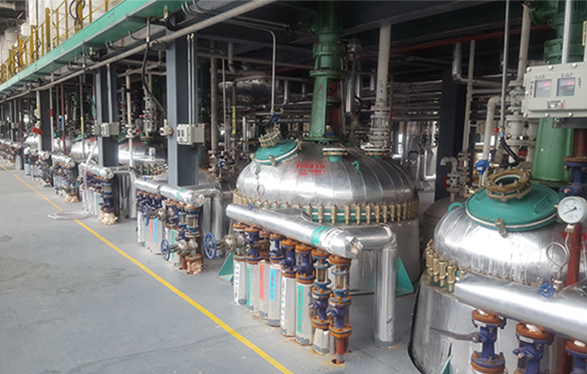
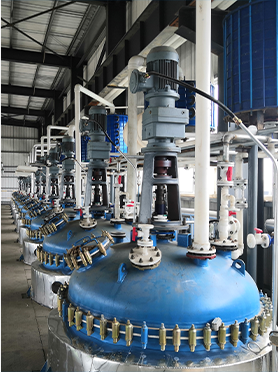
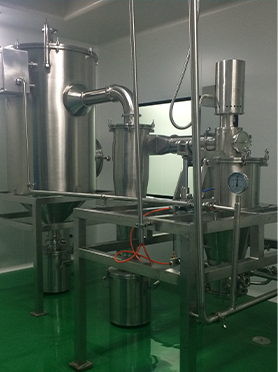
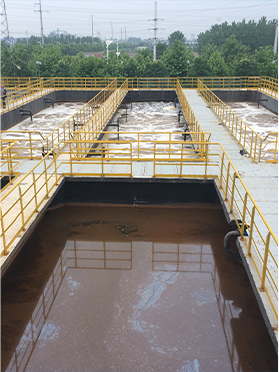
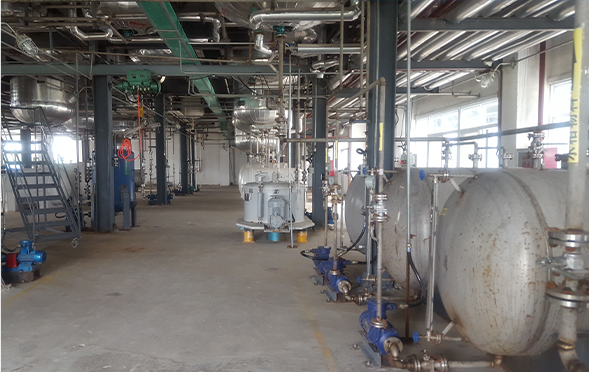
Manufacturing Facilities

Professional Export Experience
to Global Customers
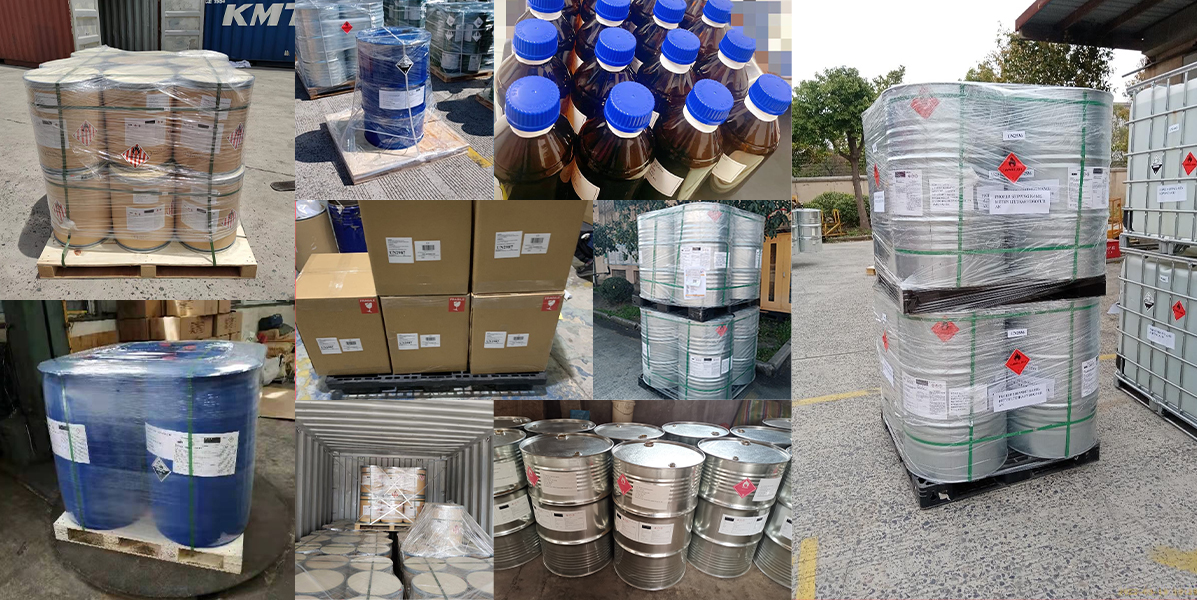
1. 20 years of R&D, manufacturing and sales experience, serving customers in 60 countries and regions around the world;
2. Own R&D laboratory, pilot platform and large-scale production workshop, which can meet the audit requirements of global customers;
3. We can satisfy customers' perfect transition from small scale lab requirements (gram level) to commercialization requirements (hundred tons level).
A: We don't have Minimum Order Quantity, exact quantity should be provided before quotation for us to calculate the exact cost.
A: We don't provide free samples due to lots of request and expensive international courier's cost, we can deduct the sample charge after commercial order placed.
A: Our payment terms: Small or sample order: T/T IN ADVANCE. Commercial order: First order should be by T/T IN ADVANCE or L/C at sight, and following orders T/T 30~90days is acceptable subject to approval of credit application.