
Custom Manufacturing, Project Outsourcing, your Trusted Partner from China
The journey of a chemical from raw materials to high-performance polymers is a fascinating one, and 2-Methoxyethyl Acrylate (MEA) is a prime example of a specialty monomer that enables advanced material development. Understanding its synthesis and polymerization is key for chemists, engineers, and formulators aiming to leverage its unique properties.
Synthesis of 2-Methoxyethyl Acrylate (MEA)
The production of 2-Methoxyethyl Acrylate (CAS 3121-61-7) typically involves esterification reactions. The most common route is the reaction between acrylic acid or its derivatives (like methyl acrylate) and 2-methoxyethanol (also known as ethylene glycol monomethyl ether). This process is often catalyzed by acids and may involve the removal of water or methanol as byproducts to drive the reaction to completion.
The general reaction can be represented as:
Acrylic Acid + 2-Methoxyethanol → 2-Methoxyethyl Acrylate + Water
Or, through transesterification:
Methyl Acrylate + 2-Methoxyethanol → 2-Methoxyethyl Acrylate + Methanol
After synthesis, rigorous purification steps are essential to achieve the high purity (>99.0%) required for polymerization. These steps often include distillation to remove unreacted starting materials, byproducts, and impurities. Furthermore, a polymerization inhibitor, such as MEHQ (monomethyl ether of hydroquinone), is typically added to prevent premature polymerization during storage and transportation. The concentration of this inhibitor is carefully controlled, usually between 50-100 ppm.
Polymerization of MEA
2-Methoxyethyl Acrylate is a highly reactive monomer capable of undergoing free-radical polymerization. This is the most common method for incorporating MEA into polymer chains, either as a homopolymer or, more frequently, as a comonomer in copolymers. The polymerization process can be initiated by thermal initiators (e.g., AIBN, peroxides) or photochemically. Radical polymerization allows for the creation of polymers with a wide range of molecular weights, influencing the final material properties.
When MEA is copolymerized with other monomers, its methoxyethyl side chain imparts specific attributes to the resulting polymer:
These characteristics make MEA a valuable component in the development of advanced materials for industries such as coatings, adhesives, biomedical applications, and 3D printing resins. The ability to tune molecular weight and copolymer composition allows for precise control over the final polymer's properties.
Sourcing High-Quality MEA for Your Research and Production
For researchers and manufacturers, securing a reliable supply of high-purity 2-Methoxyethyl Acrylate is crucial for successful synthesis and polymerization. We, as an experienced manufacturer, ensure that our MEA meets stringent quality standards. Our production processes are optimized to deliver consistent purity and reactivity, supported by comprehensive technical data and safety information. We are equipped to supply MEA in various quantities, from laboratory-scale research to industrial bulk orders. If you are looking to buy MEA or seeking a quote for your next project, our team is ready to assist you in navigating the technical and commercial aspects.
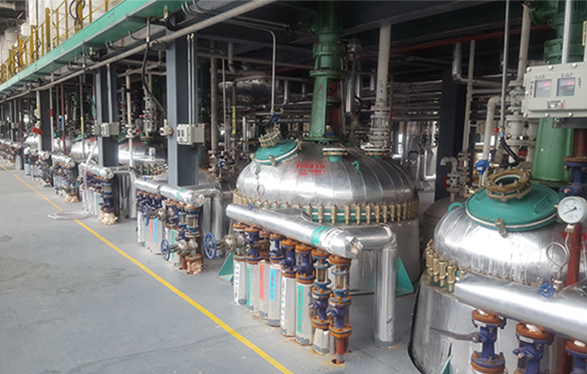
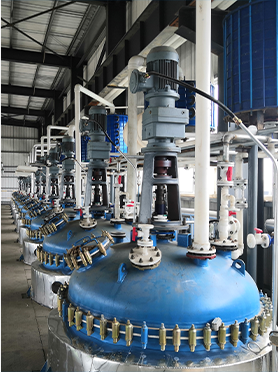
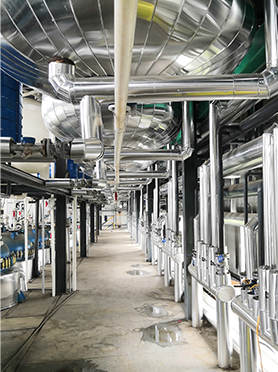
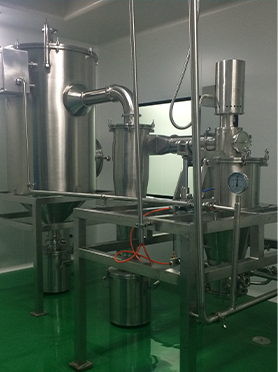
Manufacturing Facilities
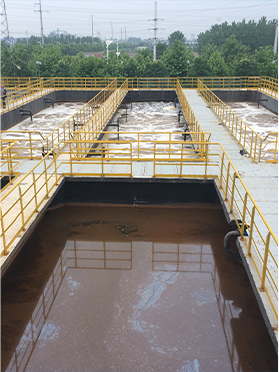
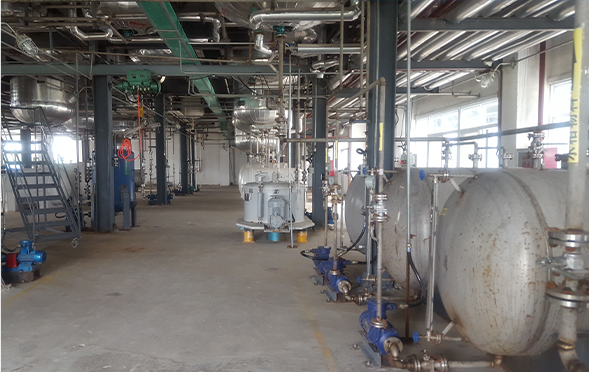
Professional Export Experience
to Global Customers
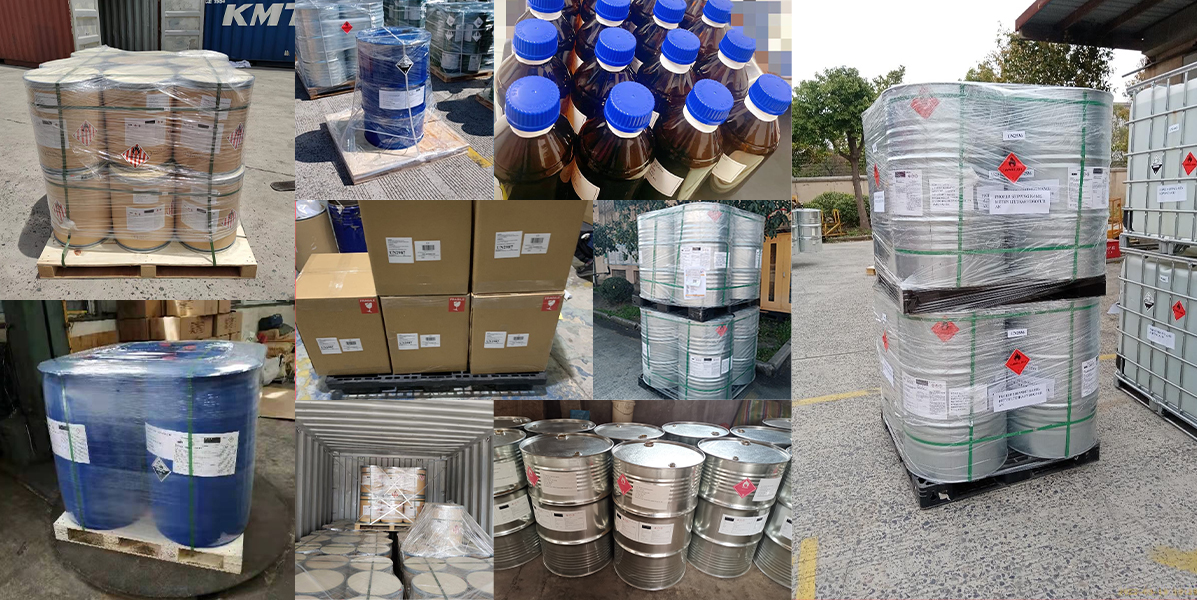
1. 20 years of R&D, manufacturing and sales experience, serving customers in 60 countries and regions around the world;
2. Own R&D laboratory, pilot platform and large-scale production workshop, which can meet the audit requirements of global customers;
3. We can satisfy customers' perfect transition from small scale lab requirements (gram level) to commercialization requirements (hundred tons level).
A: We don't have Minimum Order Quantity, exact quantity should be provided before quotation for us to calculate the exact cost.
A: We don't provide free samples due to lots of request and expensive international courier's cost, we can deduct the sample charge after commercial order placed.
A: Our payment terms: Small or sample order: T/T IN ADVANCE. Commercial order: First order should be by T/T IN ADVANCE or L/C at sight, and following orders T/T 30~90days is acceptable subject to approval of credit application.