
Custom Manufacturing, Project Outsourcing, your Trusted Partner from China
In the field of advanced materials science, understanding the synthesis and properties of key chemical intermediates is fundamental for innovation. 2-Chloro-4,6-diphenyl-1,3,5-triazine (CAS: 3842-55-5) is a prime example of such a crucial compound, widely utilized in the development of cutting-edge Organic Light-Emitting Diodes (OLEDs). For R&D scientists and procurement specialists seeking reliable materials, a deep dive into its chemistry, synthesis, and properties is invaluable. This article explores these aspects, highlighting the expertise available from leading chemical manufacturers, particularly those based in China.
The Molecular Foundation: Structure and Properties
2-Chloro-4,6-diphenyl-1,3,5-triazine is an organic molecule with the molecular formula C15H10ClN3 and a molecular weight of approximately 267.71 g/mol. Its structure features a central 1,3,5-triazine ring, substituted with two phenyl groups and one chlorine atom. Key properties include:
Synthesis Pathways and Manufacturer Capabilities
The synthesis of 2-Chloro-4,6-diphenyl-1,3,5-triazine is well-established in organic chemistry literature and industrial practice. Common routes often involve:
Leading Chinese manufacturers of fine chemicals and OLED intermediates possess extensive experience in optimizing these synthesis pathways. They employ advanced process control, state-of-the-art analytical equipment (like HPLC and GC-MS) for quality assurance, and large-scale production facilities to deliver consistent, high-purity material. When you look to buy 2-Chloro-4,6-diphenyl-1,3,5-triazine, partnering with such manufacturers ensures you receive a product that meets stringent specifications for your demanding applications.
Importance in OLED Technology
The precisely engineered structure and properties of 2-Chloro-4,6-diphenyl-1,3,5-triazine make it an indispensable intermediate for synthesizing materials used in OLEDs, such as electron transport layers and host materials. These synthesized compounds are critical for the efficiency, brightness, and lifespan of OLED devices. Its role in creating robust and high-performing materials underscores the need for reliable sourcing.
By understanding the synthesis routes and critical properties of this intermediate, R&D professionals and procurement managers can make informed decisions when selecting a supplier. Partnering with experienced manufacturers, especially those from China’s thriving chemical industry, guarantees access to high-quality, cost-effective materials essential for advancing OLED technology.
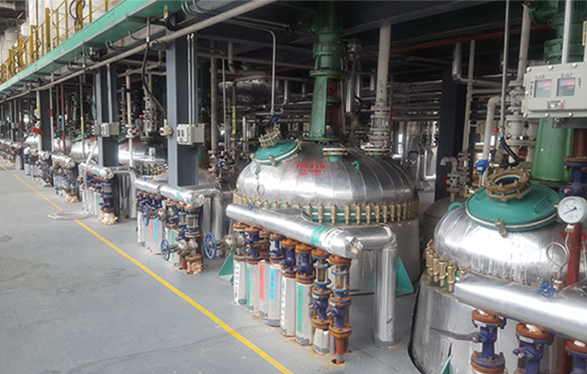
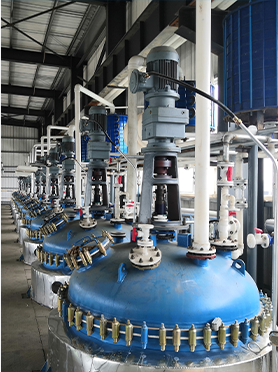
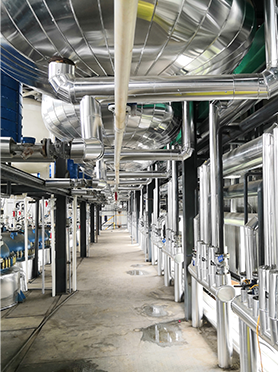
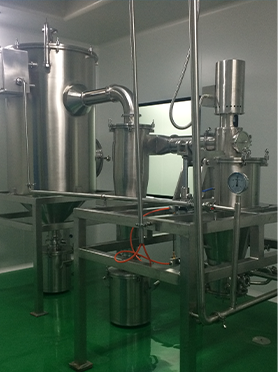
Manufacturing Facilities
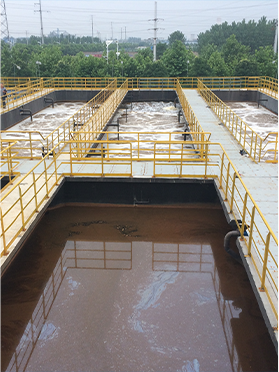
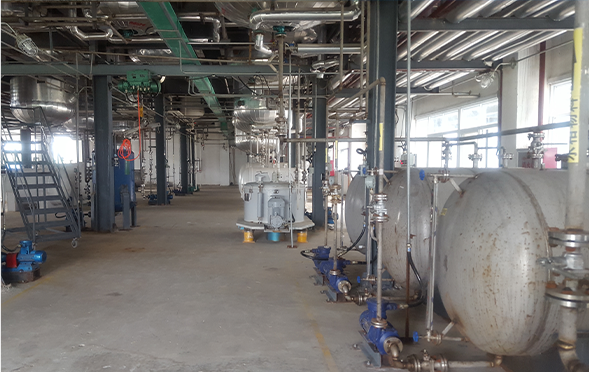
Professional Export Experience
to Global Customers
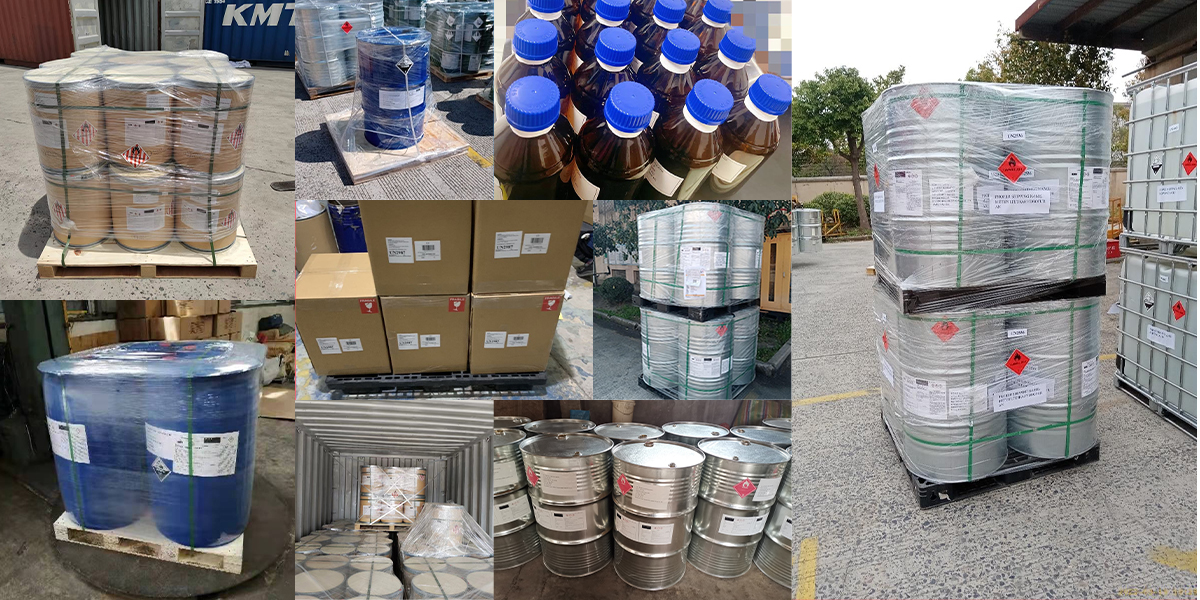
1. 20 years of R&D, manufacturing and sales experience, serving customers in 60 countries and regions around the world;
2. Own R&D laboratory, pilot platform and large-scale production workshop, which can meet the audit requirements of global customers;
3. We can satisfy customers' perfect transition from small scale lab requirements (gram level) to commercialization requirements (hundred tons level).
A: We don't have Minimum Order Quantity, exact quantity should be provided before quotation for us to calculate the exact cost.
A: We don't provide free samples due to lots of request and expensive international courier's cost, we can deduct the sample charge after commercial order placed.
A: Our payment terms: Small or sample order: T/T IN ADVANCE. Commercial order: First order should be by T/T IN ADVANCE or L/C at sight, and following orders T/T 30~90days is acceptable subject to approval of credit application.