
Custom Manufacturing, Project Outsourcing, your Trusted Partner from China
For chemists engaged in the synthesis of complex organic molecules, understanding the reactivity and potential synthetic routes of key building blocks is crucial. 2-Thiopheneacetic Acid (CAS 1918-77-0) is one such compound, widely recognized for its utility as a pharmaceutical intermediate and a versatile reagent in fine chemical synthesis. This article explores the chemical nature of 2-Thiopheneacetic Acid, touching upon its typical synthesis pathways and characteristic reactions that make it so valuable.
Understanding the Structure of 2-Thiopheneacetic Acid
At its core, 2-Thiopheneacetic Acid features a thiophene ring – a five-membered aromatic heterocycle containing one sulfur atom – substituted at the second position with an acetic acid group (-CH2COOH). This structure imbues it with both aromaticity from the thiophene ring and the reactive carboxyl group characteristic of carboxylic acids. Its molecular formula is C6H6O2S, and it typically appears as a white to light yellow crystalline powder with a melting point around 63-67 °C.
Synthesis Routes for 2-Thiopheneacetic Acid
While specific industrial synthesis methods can vary and are often proprietary, common laboratory and industrial approaches to synthesizing 2-Thiopheneacetic Acid often involve:
When looking to buy 2-thiopheneacetic acid, it is important to note that manufacturers often optimize these routes for yield, purity, and cost-effectiveness. The purity level (e.g., ≥99%) is a direct outcome of the synthesis and purification processes employed.
Key Reactivity and Applications
The reactivity of 2-Thiopheneacetic Acid is primarily dictated by its carboxylic acid group and the thiophene ring:
These reactive properties make 2-Thiopheneacetic Acid an excellent pharmaceutical intermediate and a versatile building block in fine chemical synthesis. Its ability to be readily functionalized makes it a cornerstone for developing novel compounds with tailored properties for drug discovery, material science, and agricultural applications.
For researchers and chemical buyers, understanding these synthetic possibilities and reactive pathways underscores the strategic importance of sourcing high-quality 2-Thiopheneacetic Acid from reliable manufacturers. When you purchase 2-thiophenesacetic acid, you are acquiring a chemical with a rich synthetic potential.
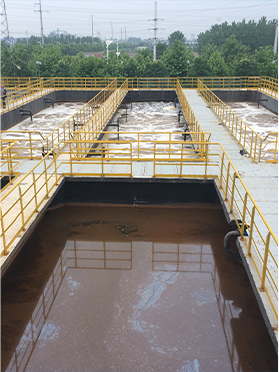
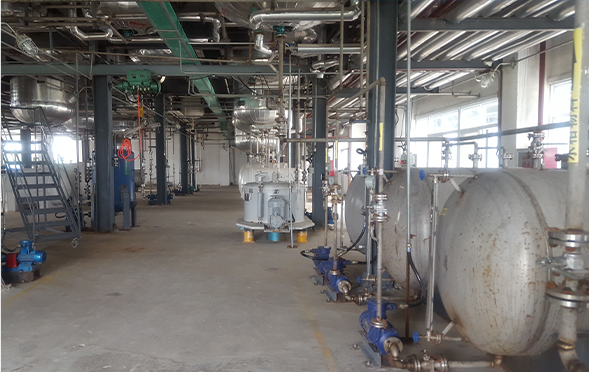
Manufacturing Facilities
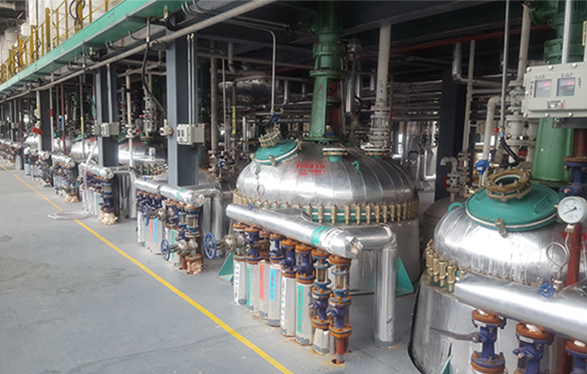
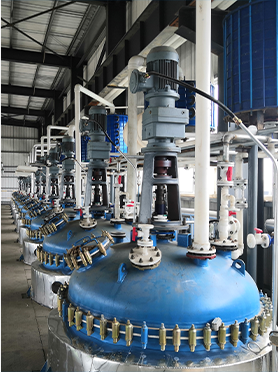
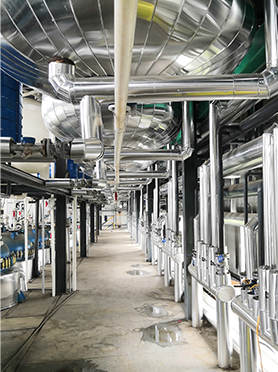
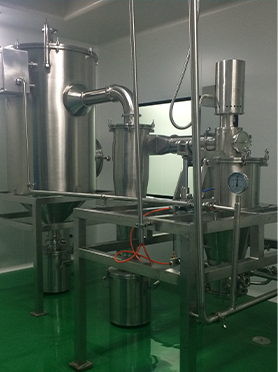
Professional Export Experience
to Global Customers
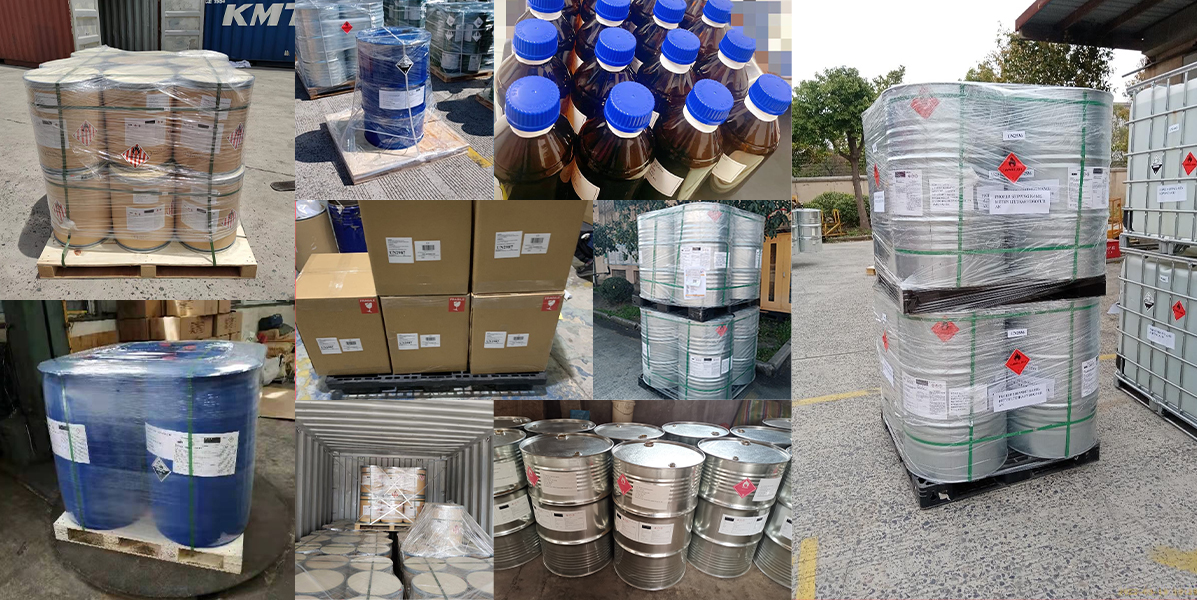
1. 20 years of R&D, manufacturing and sales experience, serving customers in 60 countries and regions around the world;
2. Own R&D laboratory, pilot platform and large-scale production workshop, which can meet the audit requirements of global customers;
3. We can satisfy customers' perfect transition from small scale lab requirements (gram level) to commercialization requirements (hundred tons level).
A: We don't have Minimum Order Quantity, exact quantity should be provided before quotation for us to calculate the exact cost.
A: We don't provide free samples due to lots of request and expensive international courier's cost, we can deduct the sample charge after commercial order placed.
A: Our payment terms: Small or sample order: T/T IN ADVANCE. Commercial order: First order should be by T/T IN ADVANCE or L/C at sight, and following orders T/T 30~90days is acceptable subject to approval of credit application.