
Custom Manufacturing, Project Outsourcing, your Trusted Partner from China
The availability of high-quality chemical intermediates is the backbone of innovation and production across numerous industries, including pharmaceuticals, agrochemicals, and advanced materials. 1,2,3,4-Tetrafluorobenzene (CAS 551-62-2) is one such crucial compound, prized for its unique fluorinated aromatic structure. As a leading manufacturer and supplier, understanding and optimizing the synthesis routes for this compound is paramount to ensuring consistent supply, purity, and cost-effectiveness for our B2B clients. This article delves into the primary synthesis methods employed for 1,2,3,4-Tetrafluorobenzene.
Decarboxylation: A Prevalent and Efficient Route
One of the most industrially relevant methods for synthesizing 1,2,3,4-Tetrafluorobenzene involves the decarboxylation of a suitable fluorinated benzoic acid precursor. Specifically, the decarboxylation of 2,4,5-trifluorobenzoic acid is a well-established pathway.
Mechanism and Advantages: This reaction typically proceeds at elevated temperatures (around 200-230°C) in aqueous or subcritical water media, often catalyzed by copper-based compounds (e.g., copper powder or copper oxides) in the presence of ammonia. The ammonia plays a critical role as a proton shuttle, facilitating the removal of carbon dioxide and the formation of the desired tetrafluorobenzene. This method is favored for its relatively good yields (often exceeding 85%) and high purity levels when optimized. The use of copper catalysts allows for efficient transformation, and advancements in reaction engineering, such as employing high-temperature aqueous systems or continuous flow reactors, further enhance throughput and product quality.
Procurement Note: When looking to buy 1,2,3,4-tetrafluorobenzene, inquiring about the synthesis method used by the 1,2,3,4-tetrafluorobenzene manufacturer can provide insights into product consistency. We offer high-purity 1,2,3,4-Tetrafluorobenzene produced via optimized decarboxylation routes, ensuring reliability for your applications.
The Schiemann Reaction: A Historical and Alternative Pathway
The Schiemann reaction, a classic method for introducing fluorine into aromatic rings, can also be adapted for the synthesis of tetrafluorinated benzenes. This route typically involves the diazotization of a fluorinated aniline precursor (e.g., 2,3,4,5-tetrafluoroaniline) followed by the thermal decomposition of the resulting tetrafluoroborate salt.
Considerations: While historically significant, the Schiemann reaction often requires careful handling of potentially unstable diazonium salts and generates corrosive byproducts such as boron trifluoride (BF3) and hydrogen fluoride (HF). Industrial implementation necessitates robust containment systems. Yields can be moderate, and byproduct management adds complexity and cost compared to optimized decarboxylation methods.
Other Synthesis Approaches
Other less common or emerging synthesis routes include:
Choosing Your Supplier for 1,2,3,4-Tetrafluorobenzene
For industrial procurement, prioritizing synthesis routes that offer high yields, excellent purity, and manageable safety and environmental profiles is crucial. The decarboxylation route, when expertly implemented by a skilled 1,2,3,4-tetrafluorobenzene manufacturer, generally stands out for its efficiency and scalability.
We encourage you to buy 1,2,3,4-tetrafluorobenzene from us, your trusted 1,2,3,4-tetrafluorobenzene supplier China. We are committed to providing high-quality products at competitive CAS 551-62-2 price, backed by a reliable supply chain and technical expertise. Contact us to order tetrafluorobenzene for your critical applications and benefit from our manufacturing excellence.
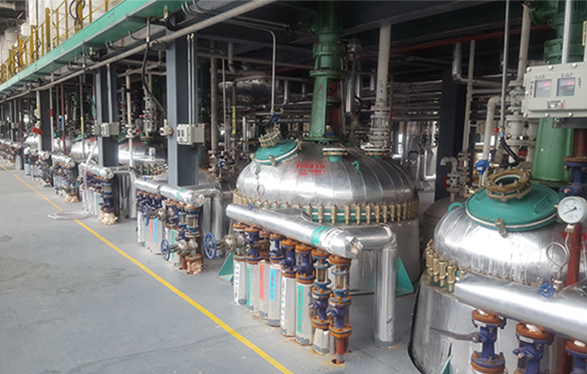
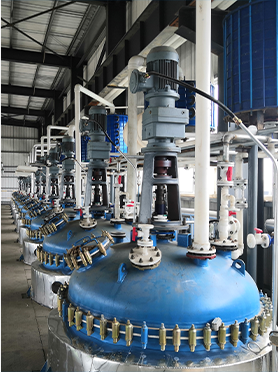
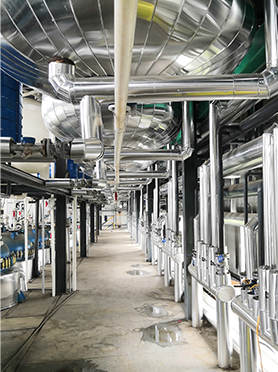
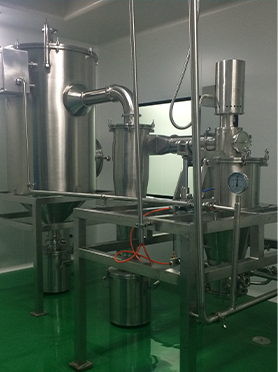
Manufacturing Facilities
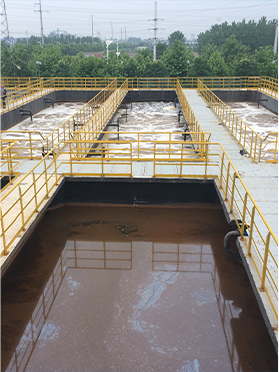
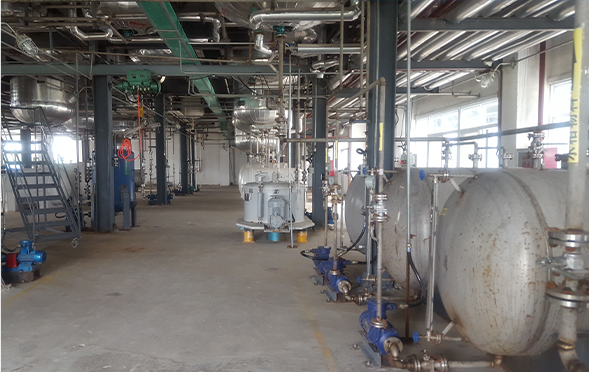
Professional Export Experience
to Global Customers
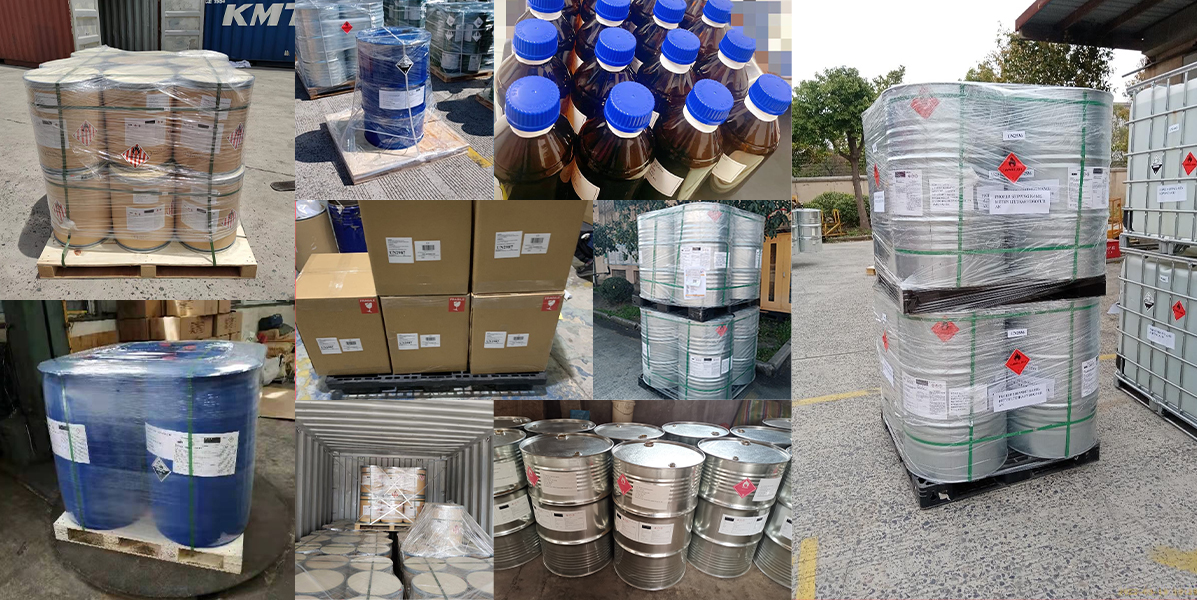
1. 20 years of R&D, manufacturing and sales experience, serving customers in 60 countries and regions around the world;
2. Own R&D laboratory, pilot platform and large-scale production workshop, which can meet the audit requirements of global customers;
3. We can satisfy customers' perfect transition from small scale lab requirements (gram level) to commercialization requirements (hundred tons level).
A: We don't have Minimum Order Quantity, exact quantity should be provided before quotation for us to calculate the exact cost.
A: We don't provide free samples due to lots of request and expensive international courier's cost, we can deduct the sample charge after commercial order placed.
A: Our payment terms: Small or sample order: T/T IN ADVANCE. Commercial order: First order should be by T/T IN ADVANCE or L/C at sight, and following orders T/T 30~90days is acceptable subject to approval of credit application.