
Custom Manufacturing, Project Outsourcing, your Trusted Partner from China
For professionals in the chemical and pharmaceutical industries, a thorough understanding of a compound's synthesis and safety is critical before making a purchase decision. 3-Hydroxytetrahydrofuran (CAS 453-20-3) is no exception. This versatile intermediate, while offering significant benefits in drug synthesis and agrochemical applications, also requires careful handling and a clear grasp of its potential risks.
Several synthesis pathways exist for 3-Hydroxytetrahydrofuran, providing manufacturers with options to produce it efficiently. Common methods include the hydrolysis of epoxy acetone, the reduction of gamma-hydroxy ketones, and hydrolysis of ethyl acetate. Each route requires specific reagents and reaction conditions, influencing the final product's purity and cost. For procurement managers, understanding these methods can offer insights into the supplier's manufacturing capabilities and product consistency. When looking to buy 3-Hydroxytetrahydrofuran, inquire about the specific synthesis method employed by the manufacturer.
While 3-Hydroxytetrahydrofuran is a valuable compound, its handling necessitates an awareness of its safety profile. It can exhibit irritation to skin and mucous membranes upon contact. Inhalation of its vapors may lead to respiratory irritation. Acute toxicity studies on laboratory animals indicate that high doses can cause central nervous system depression and, in severe cases, can be fatal. Chronic exposure may also pose risks to organ systems like the liver and kidneys.
Therefore, rigorous safety protocols are essential when working with this chemical. This includes using appropriate personal protective equipment (PPE) such as gloves, eye protection, and respiratory masks, especially in environments where vapor concentration might be high. Proper ventilation in laboratories and manufacturing facilities is also paramount. Understanding these safety aspects is key for R&D scientists and plant operators.
For businesses seeking to integrate 3-Hydroxytetrahydrofuran into their processes, sourcing from reputable manufacturers that prioritize safety and quality is vital. Manufacturers who provide comprehensive Safety Data Sheets (SDS) allow users to make informed decisions regarding handling, storage, and emergency procedures. Comparing prices from various suppliers can also help secure the best value for this essential intermediate.
In summary, while 3-Hydroxytetrahydrofuran (CAS 453-20-3) is a critical chemical for innovation in pharmaceuticals and agrochemicals, its synthesis and safe handling must be well understood. By consulting detailed technical information and safety guidelines, and by partnering with reliable suppliers, businesses can effectively utilize this compound while mitigating potential risks.
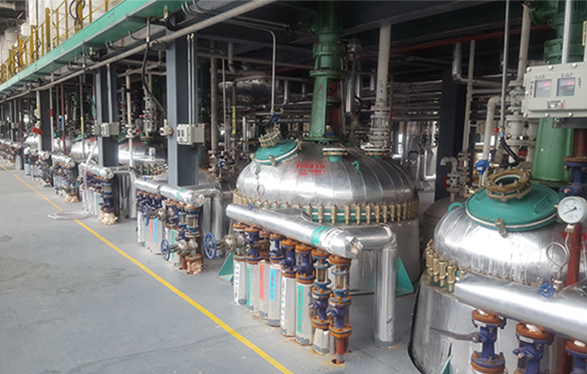
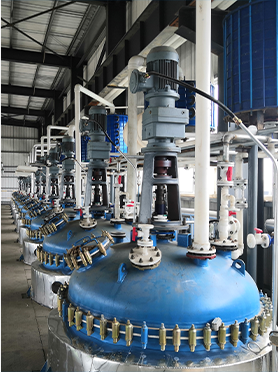
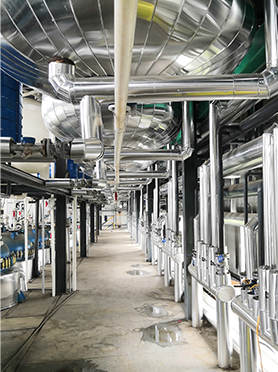
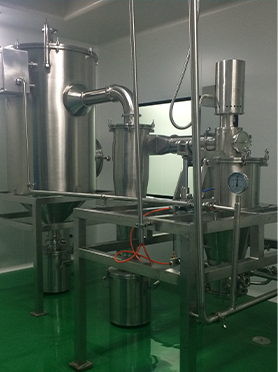
Manufacturing Facilities
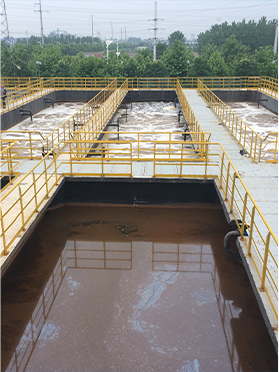
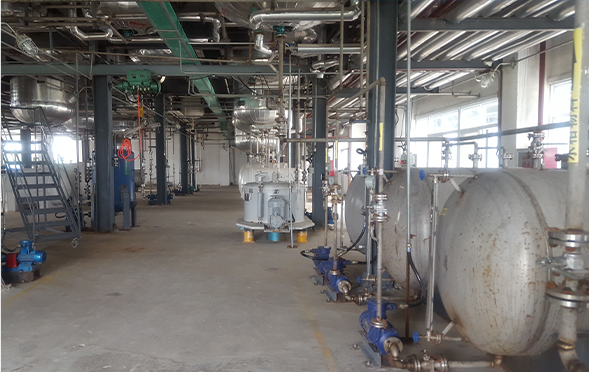
Professional Export Experience
to Global Customers
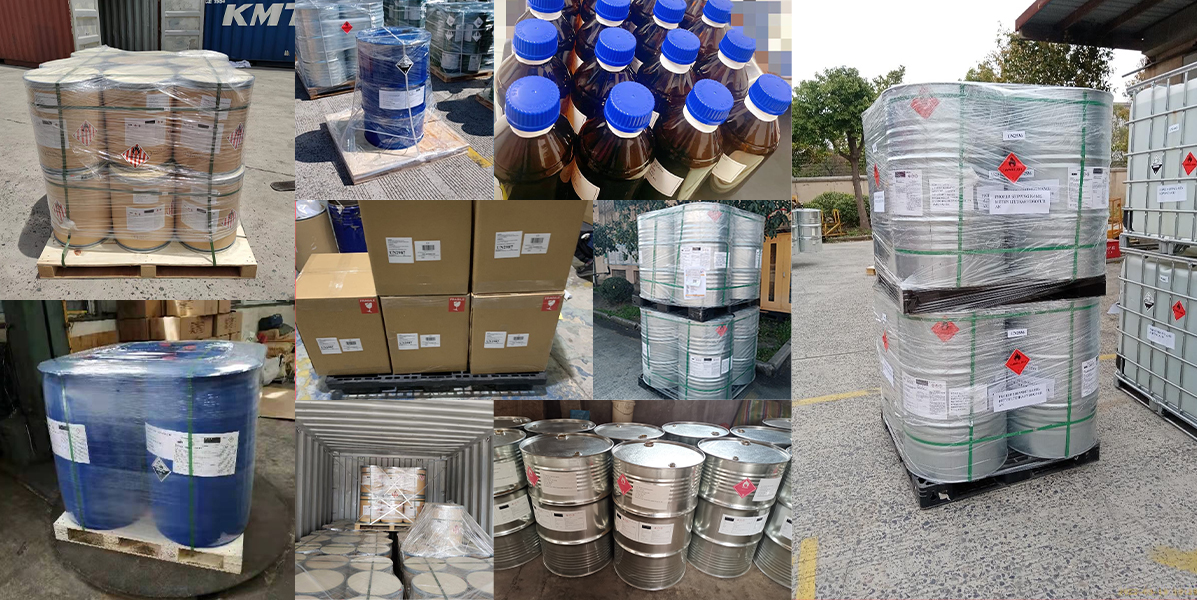
1. 20 years of R&D, manufacturing and sales experience, serving customers in 60 countries and regions around the world;
2. Own R&D laboratory, pilot platform and large-scale production workshop, which can meet the audit requirements of global customers;
3. We can satisfy customers' perfect transition from small scale lab requirements (gram level) to commercialization requirements (hundred tons level).
A: We don't have Minimum Order Quantity, exact quantity should be provided before quotation for us to calculate the exact cost.
A: We don't provide free samples due to lots of request and expensive international courier's cost, we can deduct the sample charge after commercial order placed.
A: Our payment terms: Small or sample order: T/T IN ADVANCE. Commercial order: First order should be by T/T IN ADVANCE or L/C at sight, and following orders T/T 30~90days is acceptable subject to approval of credit application.