
Custom Manufacturing, Project Outsourcing, your Trusted Partner from China
The textile industry constantly seeks innovations that enhance product quality while optimizing production costs. In the realm of dyeing and printing, the choice of thickener plays a pivotal role. While natural thickeners have long been staples, the advent of high-performance synthetic thickeners presents a compelling case for adoption, particularly for cost-conscious manufacturers. This guide explores why synthetic thickeners are becoming a preferred choice for disperse dyeing applications, offering a blend of efficiency and economic advantage.
The Imperative of Thickeners in Disperse Dyeing
Disperse dyes are vital for coloring synthetic fabrics like polyester. During the dyeing process, these dyes are typically applied as fine dispersions or in an emulsified form. A properly formulated thickener is critical to create printing pastes that have the appropriate viscosity. This ensures that the dye is evenly distributed, adheres well to the fabric, and allows for precise application without spreading or bleeding. The right thickener contributes directly to the sharpness of prints, color yield, and overall fabric quality.
Comparing Synthetic vs. Traditional Thickeners
Traditional thickeners, often derived from natural sources like alginates or starches, have historically been used. While effective, they can sometimes present challenges. Their performance might be inconsistent due to variations in raw materials, and they can be sensitive to changes in pH or temperature, impacting the stability of the printing paste. This can lead to a need for more complex formulation adjustments and potentially compromise the final print quality.
Synthetic thickeners, engineered from advanced polymers, offer a more controlled and consistent performance profile. They are designed to provide a higher thickening efficiency, meaning less product is needed to achieve the desired viscosity. This is a significant factor for cost savings. Furthermore, their inherent stability across a wider range of process conditions—including variations in temperature, pH, and the presence of other chemicals in the formulation—makes them a more reliable option for large-scale textile manufacturing.
The Economic Advantage: Buying Synthetic Thickeners from China
For many textile manufacturers, cost is a major consideration. This is where sourcing high-efficiency synthetic thickeners from reputable suppliers in China offers a distinct advantage. Manufacturers in China often benefit from economies of scale and optimized production processes, allowing them to offer these advanced materials at competitive prices. When you choose to buy synthetic thickeners from a trusted China manufacturer, you are not just purchasing a chemical; you are investing in improved efficiency and reduced operational costs.
Key Benefits for Textile Manufacturers:
Applications in Disperse Dyeing and Beyond
Our synthetic thickener, for instance, is specifically designed to excel in disperse dye printing. Its anionic nature and controlled solid content ensure excellent paste preparation and application. It provides the necessary body for smooth, even dye application, crucial for achieving vibrant and lasting colors on synthetic fabrics. It serves as an excellent alternative to sodium alginate, offering comparable or superior performance at a more competitive price point.
For textile businesses looking to upgrade their dyeing processes, exploring synthetic thickeners is a strategic move. By partnering with a reliable supplier, you can access these advanced materials and unlock significant operational efficiencies and quality improvements. Investing in a high-quality synthetic thickener is an investment in the future of your textile manufacturing business.
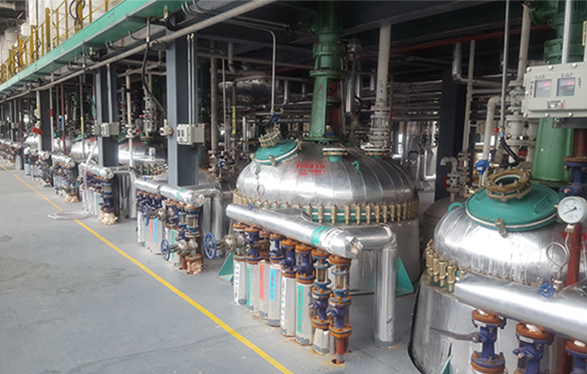
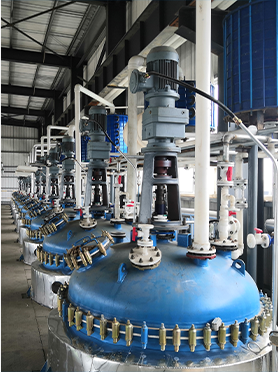
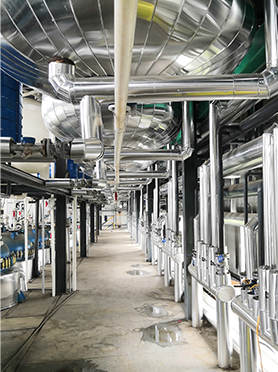
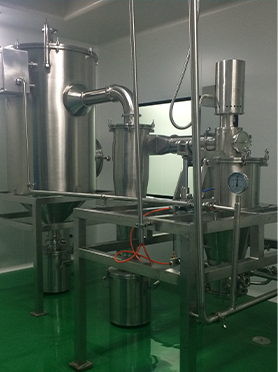
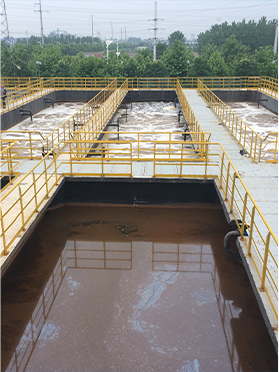
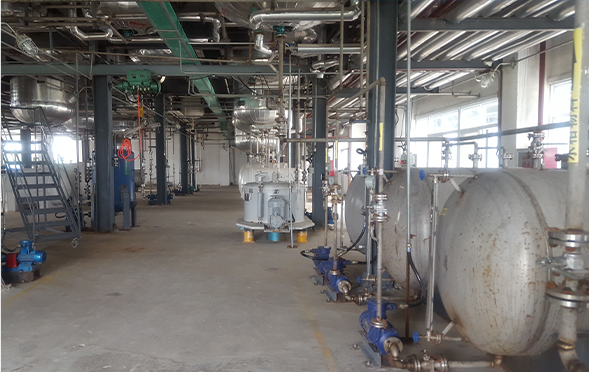
Manufacturing Facilities
Professional Export Experience
to Global Customers
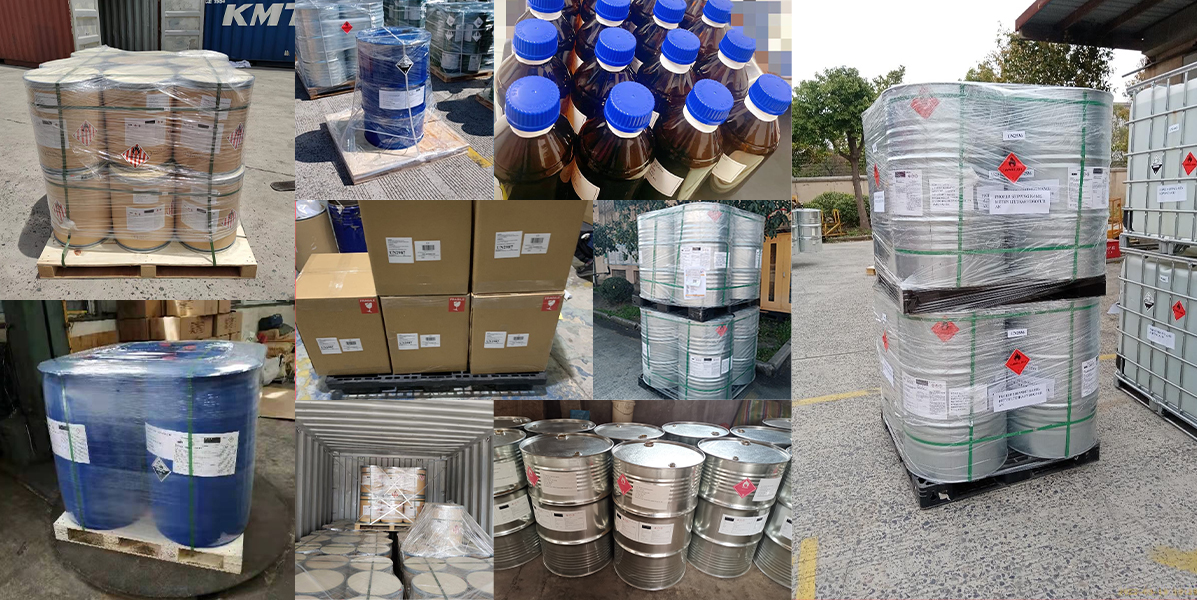
1. 20 years of R&D, manufacturing and sales experience, serving customers in 60 countries and regions around the world;
2. Own R&D laboratory, pilot platform and large-scale production workshop, which can meet the audit requirements of global customers;
3. We can satisfy customers' perfect transition from small scale lab requirements (gram level) to commercialization requirements (hundred tons level).
A: We don't have Minimum Order Quantity, exact quantity should be provided before quotation for us to calculate the exact cost.
A: We don't provide free samples due to lots of request and expensive international courier's cost, we can deduct the sample charge after commercial order placed.
A: Our payment terms: Small or sample order: T/T IN ADVANCE. Commercial order: First order should be by T/T IN ADVANCE or L/C at sight, and following orders T/T 30~90days is acceptable subject to approval of credit application.