
Custom Manufacturing, Project Outsourcing, your Trusted Partner from China
In the diverse landscape of disinfection and sanitation, various chemical agents are employed, each with its unique properties, advantages, and disadvantages. Trichloroisocyanuric Acid (TCCA) is a prominent player, particularly in water treatment and industrial applications. Understanding how TCCA stacks up against other common disinfectants like chlorine gas and sodium hypochlorite is essential for making informed purchasing decisions.
Trichloroisocyanuric Acid (TCCA)
TCCA is an organic compound that acts as a source of chlorine. Its key advantage lies in its solid form (powder, granules, tablets), making it significantly easier and safer to store, transport, and handle compared to gaseous or liquid chlorine alternatives. TCCA releases chlorine slowly and steadily, providing sustained disinfection. This slow-release property also means it contributes cyanuric acid to the water, which acts as a stabilizer, protecting free chlorine from degradation by UV sunlight. This makes it particularly effective for outdoor applications like swimming pool water treatment.
Chlorine Gas (Cl2)
Chlorine gas is a powerful disinfectant but presents significant handling and safety challenges due to its highly toxic and corrosive nature. It is typically used in large-scale municipal water treatment facilities where specialized infrastructure and stringent safety protocols are in place.
Sodium Hypochlorite (NaClO)
Commonly known as liquid bleach, sodium hypochlorite is a widely available and relatively easy-to-use disinfectant. It provides rapid disinfection but its effectiveness can be reduced by UV light, and it has a shorter shelf life compared to TCCA. It is often used for surface sanitation and in smaller water treatment systems.
Choosing the Right Disinfectant for Your Needs
The choice between TCCA, chlorine gas, or sodium hypochlorite depends heavily on the application and scale of use. For swimming pools, general sanitation, and many industrial water treatment scenarios where ease of handling and sustained release are priorities, TCCA is often the preferred choice. Many businesses inquire about the applications of TCCA to determine if it suits their specific needs. For large-scale municipal water treatment where rapid action and direct chlorine delivery are critical, chlorine gas might be employed with appropriate safety measures. Sodium hypochlorite remains a practical option for quick surface disinfection or smaller water systems.
When considering a chemical supplier, it’s important to assess their offerings based on these comparative properties. If your focus is on safe, efficient, and long-lasting disinfection, particularly for water treatment, inquire about the TCCA price from reputable manufacturers. NINGBO INNO PHARMCHEM CO.,LTD. provides high-quality TCCA, offering a reliable and effective solution for various disinfection needs.
Understanding these differences empowers you to select the most appropriate chemical for your requirements. For your disinfection needs, consider the superior handling and sustained efficacy of TCCA. Contact us to learn more about our product offerings.
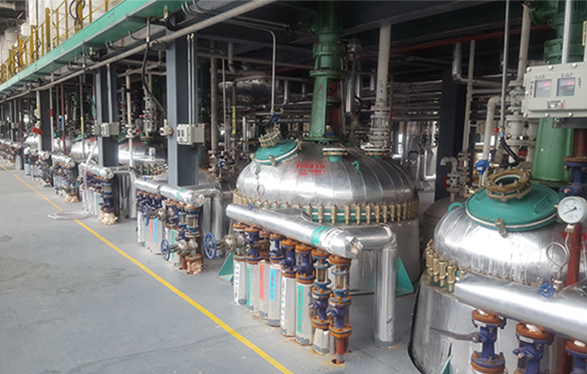
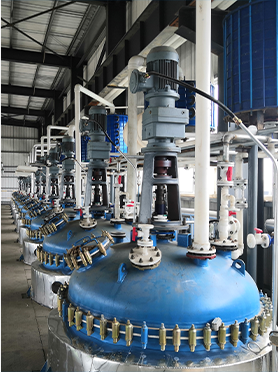
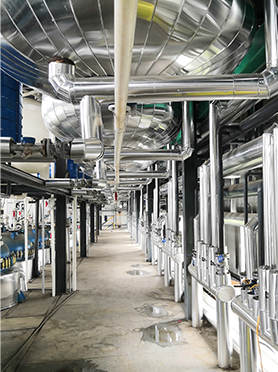
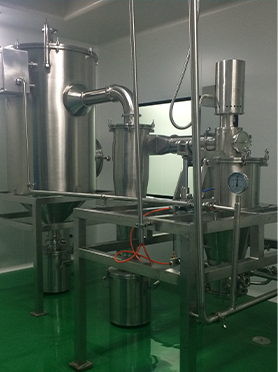
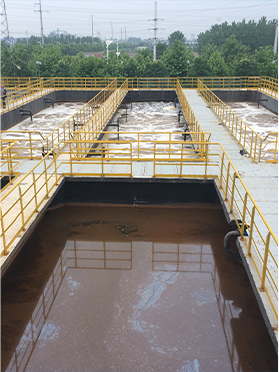
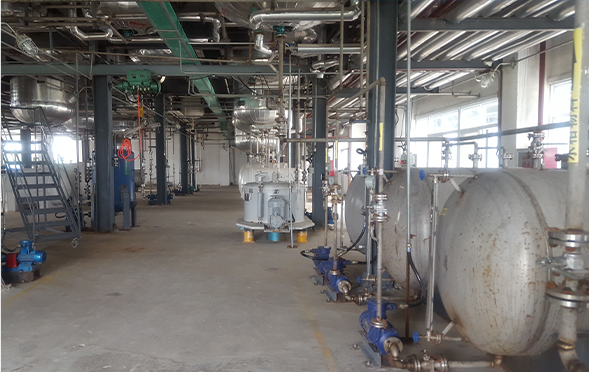
Manufacturing Facilities
Professional Export Experience
to Global Customers
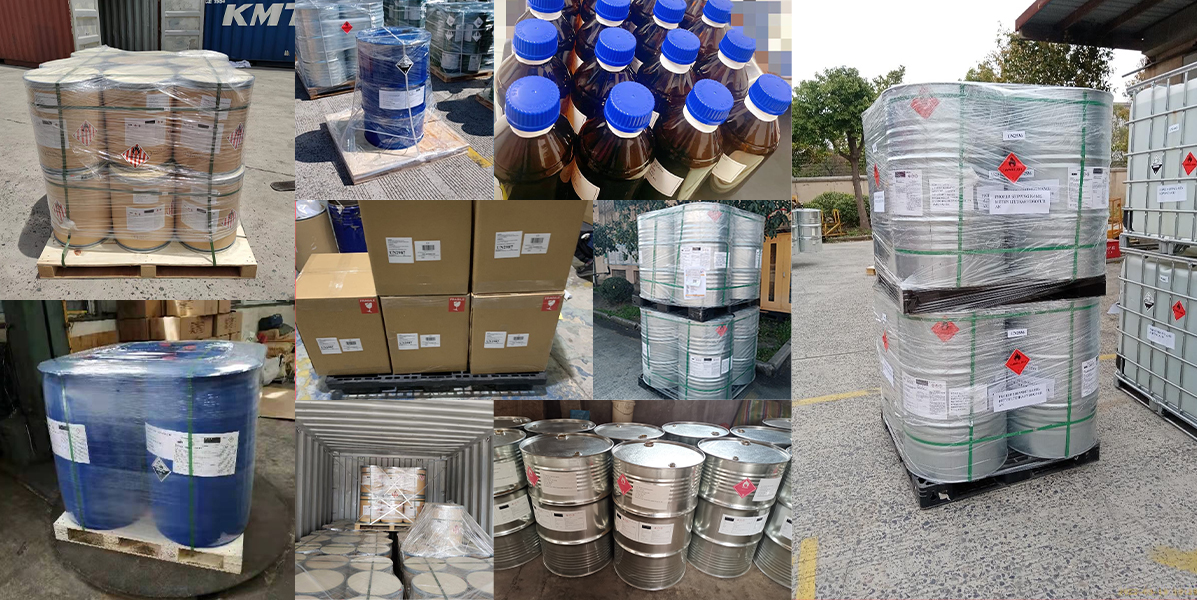
1. 20 years of R&D, manufacturing and sales experience, serving customers in 60 countries and regions around the world;
2. Own R&D laboratory, pilot platform and large-scale production workshop, which can meet the audit requirements of global customers;
3. We can satisfy customers' perfect transition from small scale lab requirements (gram level) to commercialization requirements (hundred tons level).
A: We don't have Minimum Order Quantity, exact quantity should be provided before quotation for us to calculate the exact cost.
A: We don't provide free samples due to lots of request and expensive international courier's cost, we can deduct the sample charge after commercial order placed.
A: Our payment terms: Small or sample order: T/T IN ADVANCE. Commercial order: First order should be by T/T IN ADVANCE or L/C at sight, and following orders T/T 30~90days is acceptable subject to approval of credit application.