
Custom Manufacturing, Project Outsourcing, your Trusted Partner from China
For research and development scientists in the chemical industry, a thorough understanding of material properties is the bedrock of innovation. Melamine Formaldehyde (MF) resin, a prominent member of the amino resin family, presents a fascinating subject of study due to its unique synthesis, curing mechanisms, and diverse functionalities. This article explores the technical nuances of MF resin, providing valuable insights for scientists and chemists looking to leverage its capabilities in new product development.
Synthesis and Chemical Structure
Melamine Formaldehyde resin is typically synthesized through the polycondensation reaction between melamine (1,3,5-triazine-2,4,6-triamine) and formaldehyde. The reaction proceeds in two main stages:
The molar ratio of melamine to formaldehyde is a critical parameter influencing the resin's properties and curing behavior. A common ratio for industrial applications is 1:3, which balances the potential for crosslinking with manageable reaction kinetics. The resulting polymer is characterized by its triazine rings, which contribute significantly to its thermal stability and flame retardancy.
Curing Kinetics and Mechanism
The curing of MF resins is a complex process involving multiple reaction pathways and is highly dependent on factors such as temperature, pH, and catalyst concentration. Spectroscopic studies, such as Differential Scanning Calorimetry (DSC) and Fourier Transform Infrared (FTIR) spectroscopy, reveal that MF resin curing often involves a two-step exothermic reaction. The first stage typically involves the formation of methylol groups and some initial condensation, while the second, more pronounced stage is characterized by extensive crosslinking, leading to the rigid network structure.
Understanding these curing dynamics is essential for formulators aiming to optimize processing conditions. For example, controlling the pH is critical; acidic catalysts accelerate the condensation reactions, leading to faster curing but potentially reducing shelf-life if not managed properly. Manufacturers of MF resin, such as NINGBO INNO PHARMCHEM CO.,LTD., can provide technical specifications detailing curing parameters and optimal conditions.
Key Properties and Functionalization for R&D
The robust nature of the MF resin network results in a material with exceptional properties:
Furthermore, MF resins can be chemically modified or functionalized for specific R&D purposes. For instance, incorporating carboxyl or hydroxyl groups can tailor surface properties or improve compatibility with other materials. The development of MF resin microspheres, as described in scientific literature, showcases the ability to control particle size and surface chemistry for advanced applications like tracers or standards in scientific instruments. Researchers seeking high-quality MF resin for synthesis or modification experiments can rely on suppliers like NINGBO INNO PHARMCHEM CO.,LTD. for consistent raw materials.
By delving into the technical details of Melamine Formaldehyde resin, R&D scientists can unlock its full potential for creating next-generation materials and products. Partnering with a knowledgeable supplier ensures access to both the material and the technical expertise needed for successful research and commercialization.
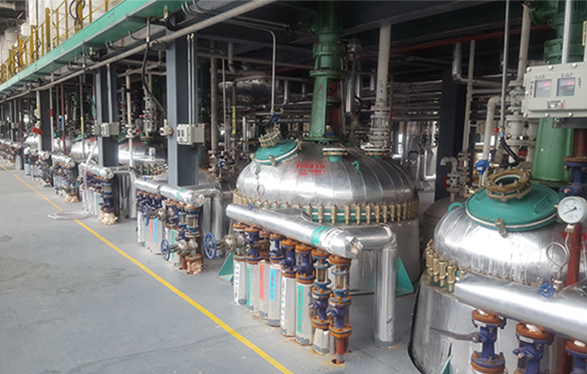
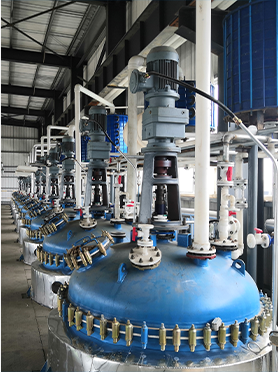
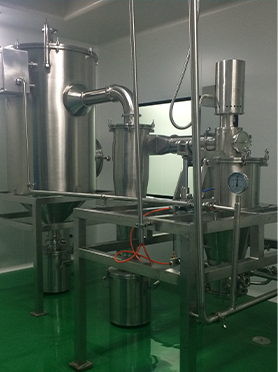
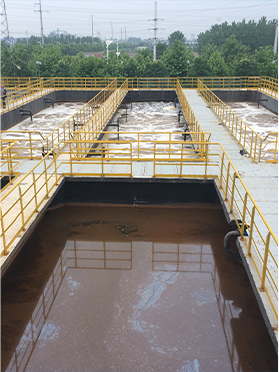
Manufacturing Facilities


Professional Export Experience
to Global Customers
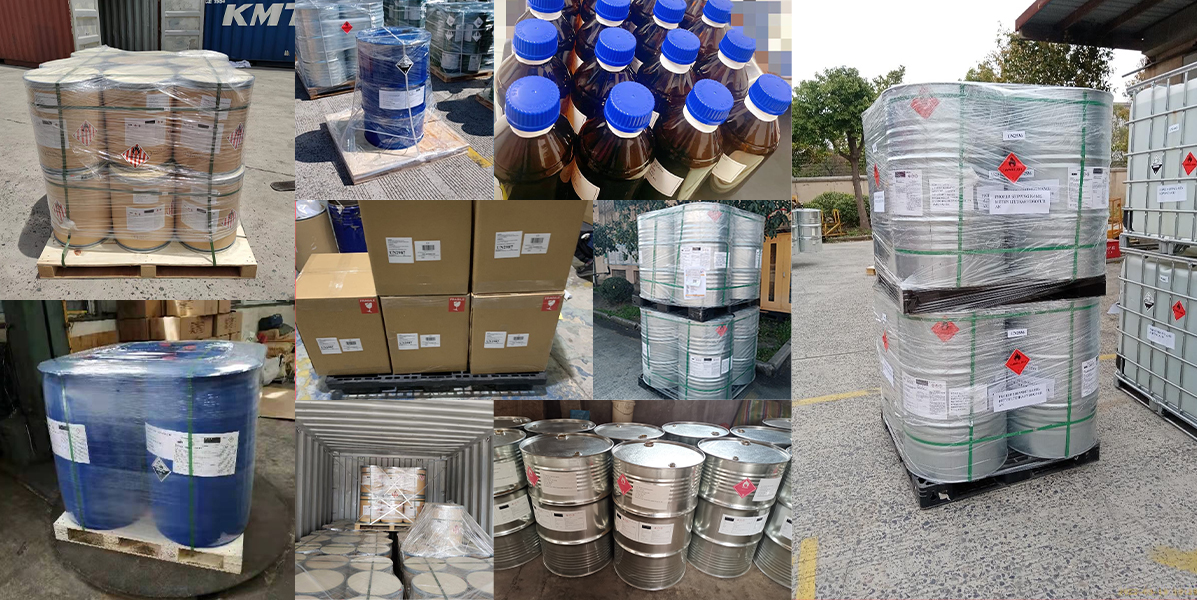
1. 20 years of R&D, manufacturing and sales experience, serving customers in 60 countries and regions around the world;
2. Own R&D laboratory, pilot platform and large-scale production workshop, which can meet the audit requirements of global customers;
3. We can satisfy customers' perfect transition from small scale lab requirements (gram level) to commercialization requirements (hundred tons level).
A: We don't have Minimum Order Quantity, exact quantity should be provided before quotation for us to calculate the exact cost.
A: We don't provide free samples due to lots of request and expensive international courier's cost, we can deduct the sample charge after commercial order placed.
A: Our payment terms: Small or sample order: T/T IN ADVANCE. Commercial order: First order should be by T/T IN ADVANCE or L/C at sight, and following orders T/T 30~90days is acceptable subject to approval of credit application.