20 YEARS OF PROFESSIONAL & DEDICATED SERVICE TO GLOBAL CUSTOMERS

Custom Manufacturing, Project Outsourcing, your Trusted Partner from China

The Technical Edge: Understanding CPE Grades for PVC Applications

For professionals in the PVC processing industry, understanding the nuanced differences between various additive grades is key to optimizing product performance and manufacturing efficiency. Chlorinated Polyethylene (CPE) is a prime example of a versatile additive that, when selected correctly, can dramatically enhance PVC formulations. This guide is designed for procurement managers and R&D scientists looking to buy CPE and understand the technical specifications that make it so effective.

The Science Behind CPE's Efficacy in PVC

CPE is a thermoplastic elastomer created by chlorinating high-density polyethylene. This process fundamentally alters the polymer's structure, introducing chlorine atoms along the polyethylene chain. The resulting material possesses a unique morphology and molecular arrangement that bestows upon it several critical properties beneficial to PVC:

  • Impact Modification: CPE acts as an effective impact modifier by creating a toughened PVC matrix. Its ability to absorb energy under stress significantly increases the impact resistance of rigid PVC products, especially at lower temperatures.
  • Processability Enhancement: Certain CPE grades offer improved melt flow and processing characteristics, allowing for smoother extrusion and molding. This can lead to higher production rates and better surface finishes.
  • Flexibility and Elongation: CPE contributes to increased flexibility and elongation at break, making PVC products more resilient and less prone to brittle fracture.
  • Flame Retardancy: The presence of chlorine atoms within the CPE molecule inherently provides flame retardant properties, a valuable attribute for safety-critical PVC applications.
  • Chemical Resistance: CPE enhances the PVC compound's resistance to oils, solvents, and certain chemicals.

Key Technical Parameters for Selecting CPE Grades:

When you decide to buy CPE for your PVC applications, paying close attention to specific technical parameters is crucial:

  • Chlorine Content (%): This is a primary characteristic. For most PVC applications, CPE grades with 35-45% chlorine content are preferred. Higher chlorine content generally leads to better compatibility with PVC and enhanced flame retardancy, while also influencing flexibility. For instance, a CPE 135B grade typically has around 35% chlorine.
  • Apparent Density (g/cm³): This indicates the bulk density of the powder, which is important for material handling and dosing accuracy. A typical value might be around 0.50 ± 0.10 g/cm³.
  • Volatile Matter (%): Low volatile matter content (e.g., ≤ 0.4%) ensures material stability during processing and reduces the risk of porosity or defects in the final product.
  • Residue on Sieve (%): This parameter indicates the fineness of the powder and the presence of larger particles. A low residue (e.g., ≤ 0.2% on a 0.9mm sieve) suggests good particle size distribution for uniform dispersion.
  • Tensile Strength (MPa) and Elongation at Break (%): While these are properties of the CPE itself, they are indicative of its inherent toughness and how it will contribute to the final compound's mechanical performance. For example, elongation at break is often reported as >800% for high-quality CPE.
  • Mooney Viscosity (ML 1+4 at 125°C): This measures the viscosity of the polymer, which is a good indicator of molecular weight and influences processing behavior and melt strength.

Choosing a Reliable Supplier:

To ensure you are sourcing the correct technical grade of CPE, partnering with a manufacturer that provides comprehensive technical data sheets and responsive technical support is vital. Manufacturers in China, such as NINGBO INNO PHARMCHEM CO.,LTD., are well-equipped to provide these detailed specifications, along with consistent quality and competitive pricing. When you inquire about buying CPE, always ask for the technical specifications relevant to your intended PVC application.

By understanding these technical nuances, you can confidently select the right CPE grade to achieve superior performance, processability, and safety in your PVC products. We encourage you to contact us to discuss your specific needs and explore our range of high-quality Chlorinated Polyethylene for your next formulation.

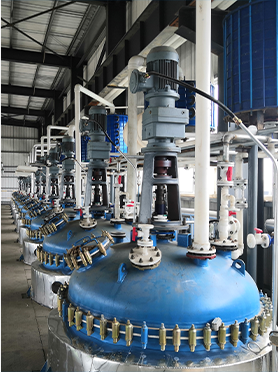
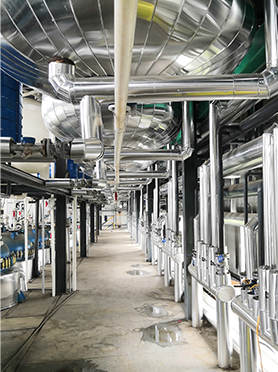
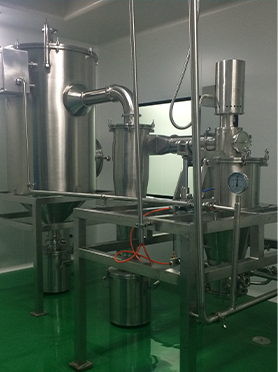
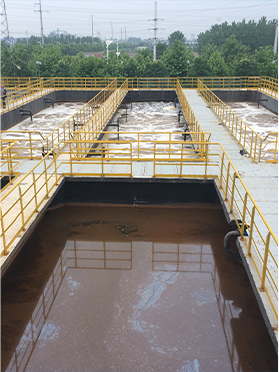
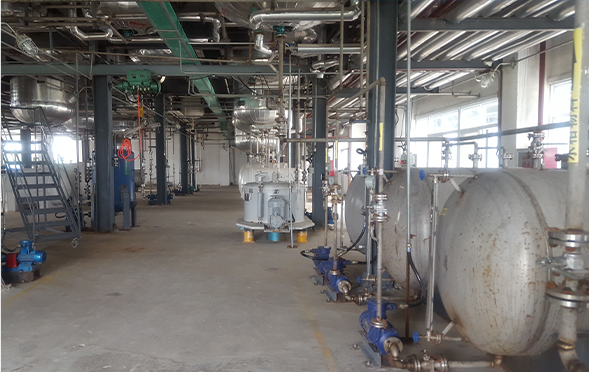
Manufacturing Facilities
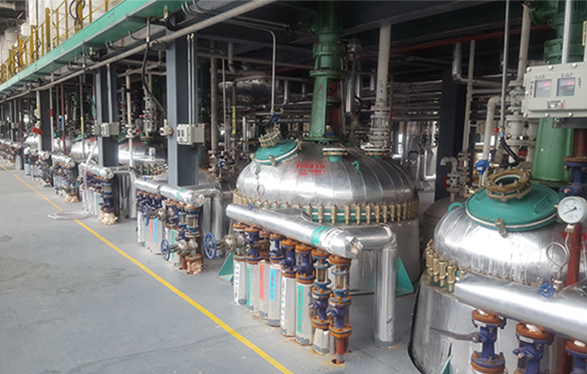
NINGBO INNO PHARMCHEM CO.,LTD. was established in 2007. It is committed to the R&D, production and sales of raw materials, pharmaceutical intermediates and fine chemicals. We striving to create a high-efficiency and high-quality integrated chemical service platform to better serve domestic and foreign customers.

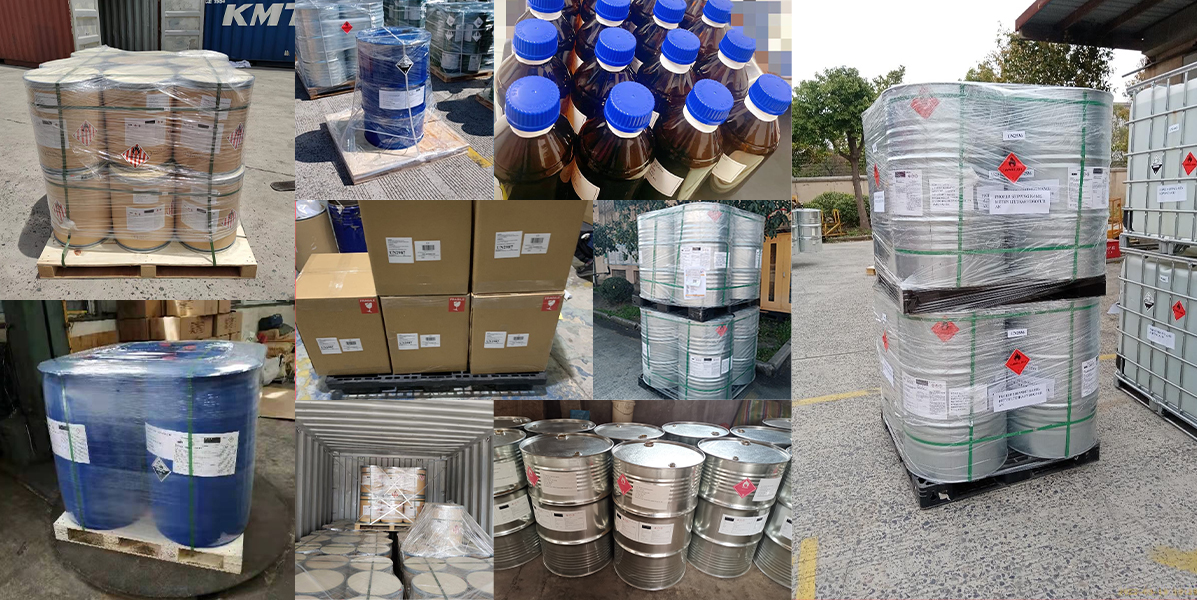
Professional Export Experience

to Global Customers
WHY CHOSE US?

1. 20 years of R&D, manufacturing and sales experience, serving customers in 60 countries and regions around the world;

2. Own R&D laboratory, pilot platform and large-scale production workshop, which can meet the audit requirements of global customers;

3. We can satisfy customers' perfect transition from small scale lab requirements (gram level) to commercialization requirements (hundred tons level).

FAQ

  • A: We don't have Minimum Order Quantity, exact quantity should be provided before quotation for us to calculate the exact cost.

  • A: We don't provide free samples due to lots of request and expensive international courier's cost, we can deduct the sample charge after commercial order placed.

  • A: Our payment terms: Small or sample order: T/T IN ADVANCE. Commercial order: First order should be by T/T IN ADVANCE or L/C at sight, and following orders T/T 30~90days is acceptable subject to approval of credit application.


CONTACT US
Should you need to contact us; you may call during regular business hours, Monday through Friday, 8am – 6 pm.
NINGBO INNO PHARMCHEM CO.,LTD.
Address: No.163 Ruiqing Rd.,Ningbo 315000 China
Phone: 86-574-87319282
Fax: 86-574-27912196
SEND US AN EMAIL

NAME*

EMAIL*

COMPANY

COUNTRY*

MESSAGE*

Previous: CPE for Wire and Cable: Ensuring Safety and Performance

Next: Cost-Effective Sourcing: Buying Chlorinated Polyethylene (CPE) from China

All Rights Reserved