
Custom Manufacturing, Project Outsourcing, your Trusted Partner from China
In the intricate world of pharmaceutical manufacturing, the choice of excipients is as crucial as the selection of the active pharmaceutical ingredient (API). Magnesium Stearate (CAS 557-04-0) stands out as one of the most widely used lubricants and glidants in tablet and capsule production. Its technical advantages significantly impact the efficiency, quality, and reliability of oral solid dosage forms. For pharmaceutical professionals, understanding its nuances is key to optimizing formulations and manufacturing processes.
Mechanism of Action in Tablet Compression: The primary technical function of Magnesium Stearate in tableting is to reduce friction between the tablet blend and the die wall, as well as between the tablet and the punch surfaces. This lubrication effect is vital for preventing the powder blend from sticking to the equipment (anti-adherence), a phenomenon that can lead to production downtime, damaged punches, and inconsistent tablet weight and hardness. By forming a thin film on the metal surfaces, Magnesium Stearate facilitates smooth ejection of tablets from the die cavity.
Impact on Flowability and Compressibility: Beyond lubrication, Magnesium Stearate also influences the flow properties of powder blends. While it generally improves the flow of cohesive powders, excessive amounts can lead to poor compressibility and impact tablet hardness due to its lubricating effect. Formulators must carefully determine the optimal concentration, typically ranging from 0.25% to 5.0% w/w, to achieve the desired balance between good flow, adequate compressibility, and efficient ejection. Sourcing pharmaceutical grade Magnesium Stearate with consistent particle size and morphology from a reliable manufacturer is crucial for predictable performance.
Considerations for Dissolution and Bioavailability: A well-documented aspect of Magnesium Stearate's use is its potential to affect the dissolution rate of certain APIs. Its hydrophobic nature can create a barrier that slows down the disintegration and dissolution of the tablet, especially at higher concentrations. This effect is API-dependent and can be mitigated through formulation strategies, such as using specific grades of Magnesium Stearate, optimizing blend uniformity, or employing direct compression techniques. While it may affect the *rate* of dissolution, studies generally indicate it does not significantly reduce the *overall bioavailability* of the drug. Pharmaceutical buyers often inquire about specific grades that minimize these dissolution effects.
Quality Assurance and Sourcing: The stringent requirements of the pharmaceutical industry necessitate sourcing Magnesium Stearate that meets pharmacopoeial standards (USP, BP, EP, JP). This includes strict limits on impurities, heavy metals, and magnesium content. Manufacturers who operate under cGMP (current Good Manufacturing Practices) and can provide comprehensive Certificates of Analysis (CoA) are preferred suppliers. When considering the price of pharmaceutical grade Magnesium Stearate, it is important to balance cost with the assurance of quality and regulatory compliance. Partnering with established manufacturers in China, known for their large-scale production capabilities and adherence to global standards, can be a strategic move for pharmaceutical companies.
Conclusion: Magnesium Stearate is an indispensable excipient in pharmaceutical tablet manufacturing. Its technical contributions to lubrication, anti-adherence, and flow are critical for efficient production and consistent product quality. While formulation considerations are necessary to manage its impact on dissolution, its overall benefits make it a preferred choice for drug delivery systems. For pharmaceutical companies, securing a reliable supply of high-purity Magnesium Stearate from a trusted manufacturer is a cornerstone of their operational success.
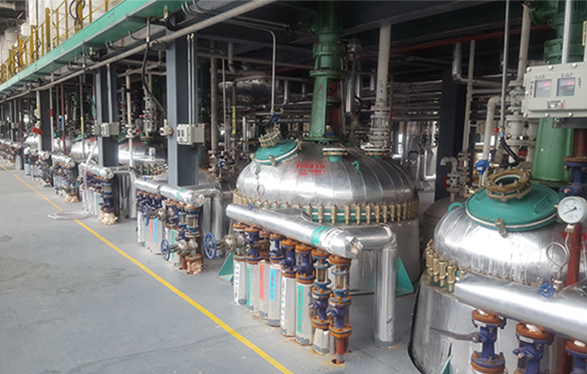
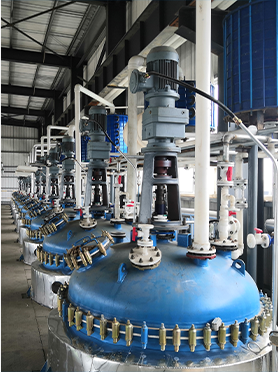
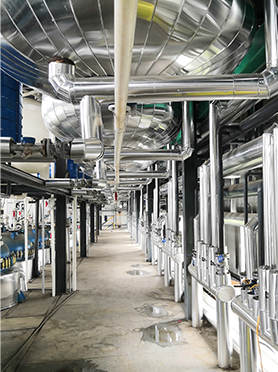
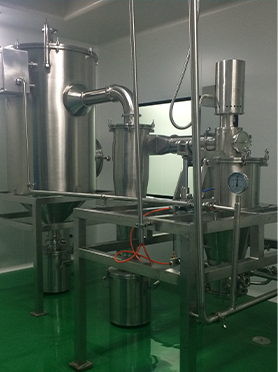
Manufacturing Facilities
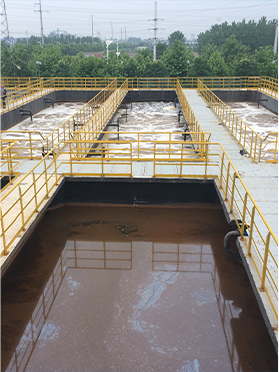
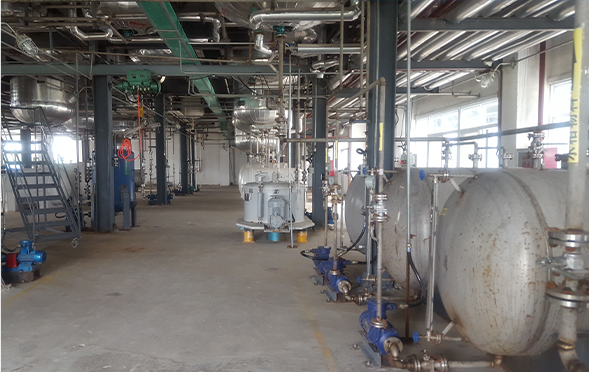
Professional Export Experience
to Global Customers
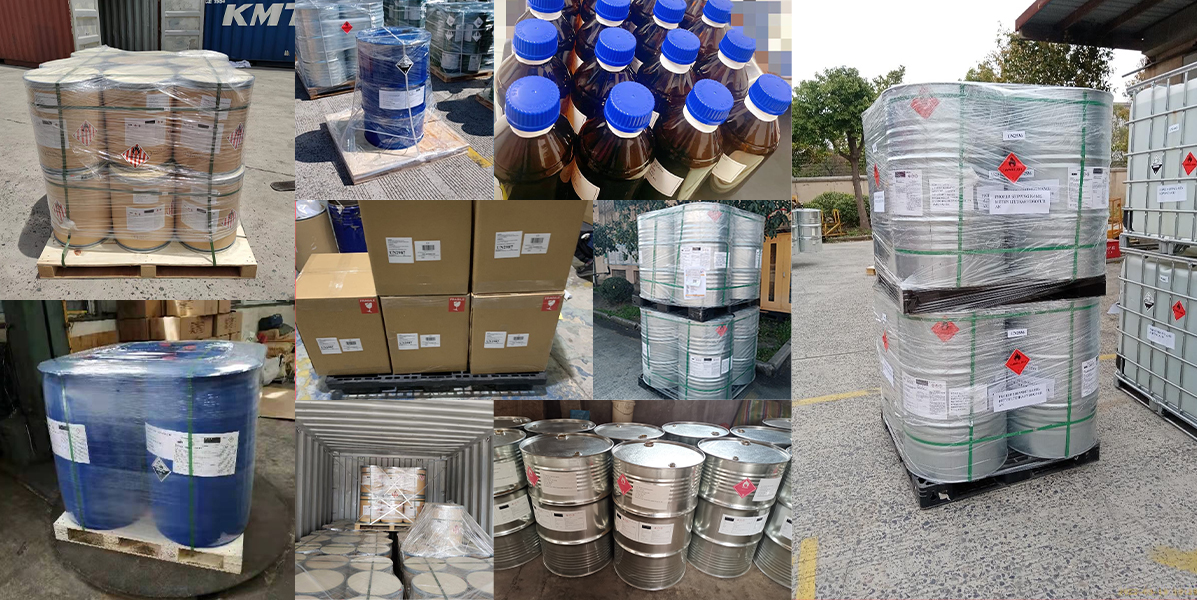
1. 20 years of R&D, manufacturing and sales experience, serving customers in 60 countries and regions around the world;
2. Own R&D laboratory, pilot platform and large-scale production workshop, which can meet the audit requirements of global customers;
3. We can satisfy customers' perfect transition from small scale lab requirements (gram level) to commercialization requirements (hundred tons level).
A: We don't have Minimum Order Quantity, exact quantity should be provided before quotation for us to calculate the exact cost.
A: We don't provide free samples due to lots of request and expensive international courier's cost, we can deduct the sample charge after commercial order placed.
A: Our payment terms: Small or sample order: T/T IN ADVANCE. Commercial order: First order should be by T/T IN ADVANCE or L/C at sight, and following orders T/T 30~90days is acceptable subject to approval of credit application.