
Custom Manufacturing, Project Outsourcing, your Trusted Partner from China
In the complex world of papermaking, understanding the technical nuances of chemical additives is key to optimizing performance. Cationic retention aids, in particular, play a vital role in the wet-end chemistry of paper machines. As a technologically driven manufacturer and supplier of specialized chemicals from China, we are committed to providing insights into how these products function and the technical advantages they offer. This article explores the scientific principles behind our high-performance cationic retention aids and their impact on papermaking processes.
At its core, a cationic retention aid is a polymer with a net positive electrical charge. This positive charge is critical for its function in the papermaking slurry, which typically contains negatively charged cellulose fibers, fillers, and other additives. The primary mechanism of action involves electrostatic attraction. When introduced into the papermaking furnish, the cationic polymer molecules interact with the negatively charged surfaces of fibers and fines. This interaction leads to charge neutralization and the formation of larger aggregates, or flocs. This process is often described by concepts such as bridging flocculation, where long polymer chains physically link multiple particles together, and patch flocculation, where charged patches on polymer-adsorbed particles attract each other.
The effectiveness of a retention aid is influenced by several factors, including its molecular weight and charge density. Our cationic retention aids are carefully formulated to balance these properties. A moderate molecular weight allows for efficient bridging, while a high charge density ensures strong initial attraction to the anionic surfaces. This combination optimizes the formation of stable flocs that are large enough to be retained by the forming fabric but not so large as to cause drainage issues. For paper mills looking to buy chemicals with predictable performance, understanding these technical specifications is crucial.
The impact on dewatering is another critical technical aspect. The flocculation process induced by retention aids creates a more porous and open structure in the forming paper web. This structural change significantly reduces the resistance to water flow, allowing for more efficient drainage on the paper machine. This improved dewatering capability not only speeds up the paper machine but also reduces the load on subsequent drying sections, potentially saving energy. The relationship between floc structure, particle size distribution, and water removal rates is a key area of our research and development.
Our commitment as a supplier extends to ensuring product consistency and providing technical support. We utilize advanced manufacturing processes and rigorous quality control measures to guarantee that each batch of our cationic retention aid meets stringent specifications. Our technical experts can assist customers in understanding the optimal dosage, addition points, and interaction with other wet-end chemicals to achieve the desired retention and drainage performance. We aim to provide not just a product, but a comprehensive solution at competitive prices.
In summary, the technical sophistication of cationic retention aids makes them indispensable in modern papermaking. Their ability to leverage electrostatic interactions and polymer bridging for enhanced retention and dewatering directly contributes to improved paper quality and production efficiency. As a leading manufacturer and supplier of these advanced chemicals from China, we are poised to help paper mills achieve technical excellence. Contact us for more information and a quote on our cutting-edge retention aid solutions.
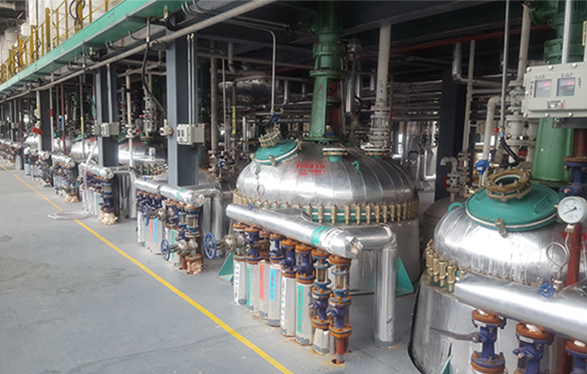
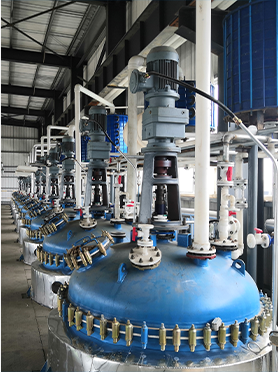
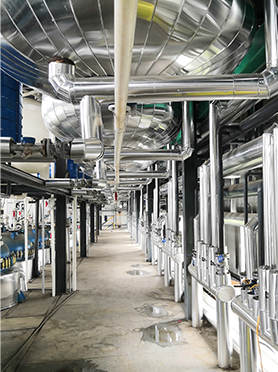
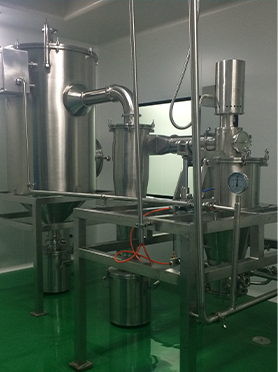
Manufacturing Facilities
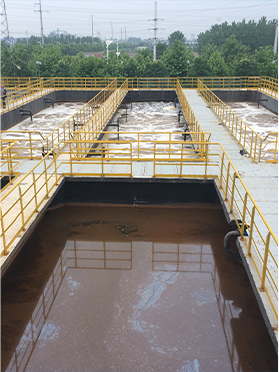
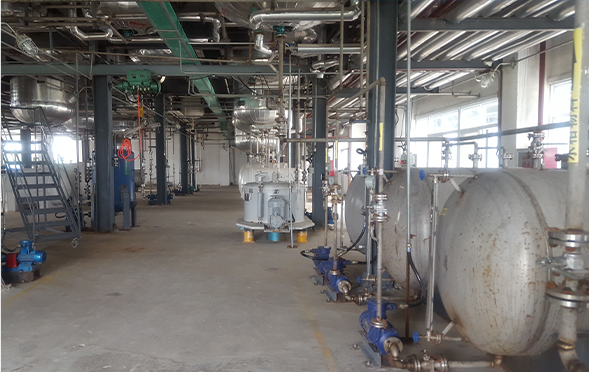
Professional Export Experience
to Global Customers
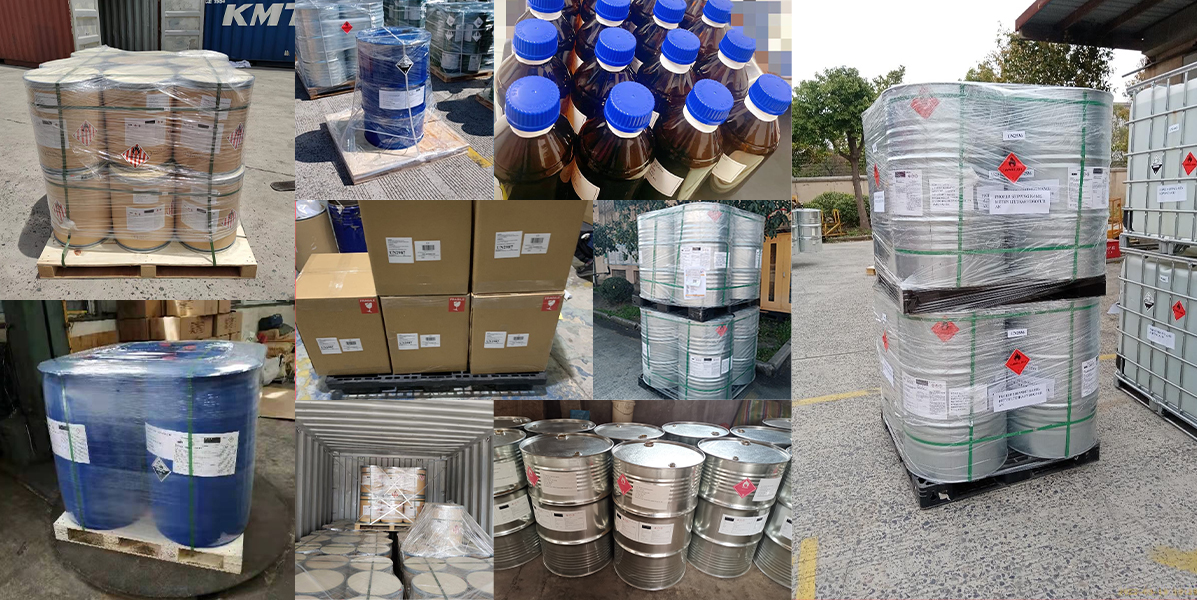
1. 20 years of R&D, manufacturing and sales experience, serving customers in 60 countries and regions around the world;
2. Own R&D laboratory, pilot platform and large-scale production workshop, which can meet the audit requirements of global customers;
3. We can satisfy customers' perfect transition from small scale lab requirements (gram level) to commercialization requirements (hundred tons level).
A: We don't have Minimum Order Quantity, exact quantity should be provided before quotation for us to calculate the exact cost.
A: We don't provide free samples due to lots of request and expensive international courier's cost, we can deduct the sample charge after commercial order placed.
A: Our payment terms: Small or sample order: T/T IN ADVANCE. Commercial order: First order should be by T/T IN ADVANCE or L/C at sight, and following orders T/T 30~90days is acceptable subject to approval of credit application.