
Custom Manufacturing, Project Outsourcing, your Trusted Partner from China
Teicoplanin, a powerful glycopeptide antibiotic, is indispensable in treating severe Gram-positive bacterial infections. A crucial aspect of its clinical utility is understanding the optimal teicoplanin administration routes to ensure maximum therapeutic efficacy. This article explores these methods, along with the inherent benefits and important considerations associated with Teicoplanin therapy.
Primarily, Teicoplanin is administered via two main routes: intravenous (IV) and intramuscular (IM) injection. The choice between these routes often depends on the patient's clinical condition, the severity of the infection, and the specific treatment protocol. Both methods are effective in delivering the antibiotic into the bloodstream, allowing it to combat bacteria throughout the body. The fact that Teicoplanin is available as a powder for injection further highlights its parenteral administration.
One of the significant advantages of Teicoplanin is its favorable pharmacokinetic profile, which includes a long half-life. This characteristic allows for a simplified dosing regimen, typically once daily after initial loading doses. This aspect is particularly important for improving patient compliance, a common challenge in long-term antibiotic treatments. Effective teicoplanin administration is key to achieving these compliance benefits.
Beyond convenience, Teicoplanin offers other therapeutic advantages. It is known for its relatively lower renal toxicity compared to some other potent antibiotics, providing a wider treatment window. This reduced toxicity is a critical factor for patients with compromised kidney function or those requiring extended treatment courses. These benefits are central to its role in advanced antibiotic therapies.
While Teicoplanin is highly effective, it is essential for healthcare providers to be aware of potential teicoplanin drug interactions. Certain medications can affect Teicoplanin's efficacy or increase the risk of adverse events. A thorough review of a patient's medication history is therefore paramount. For those in the pharmaceutical industry, understanding the nuances of Teicoplanin's use is key to successful market engagement.
In summary, the administration of Teicoplanin, whether intravenously or intramuscularly, is a well-established practice that leverages its potent antibacterial properties. Its extended half-life and reduced toxicity profile contribute significantly to its clinical value in treating severe bacterial infections, particularly those caused by resistant organisms like MRSA. As we continue to explore the complexities of fighting antibiotic resistance, Teicoplanin remains a vital component of our therapeutic arsenal.
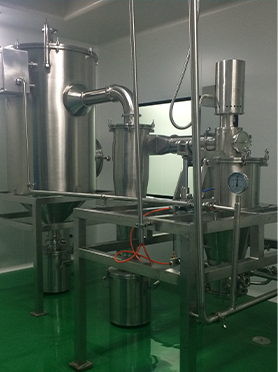
Manufacturing Facilities





Professional Export Experience
to Global Customers
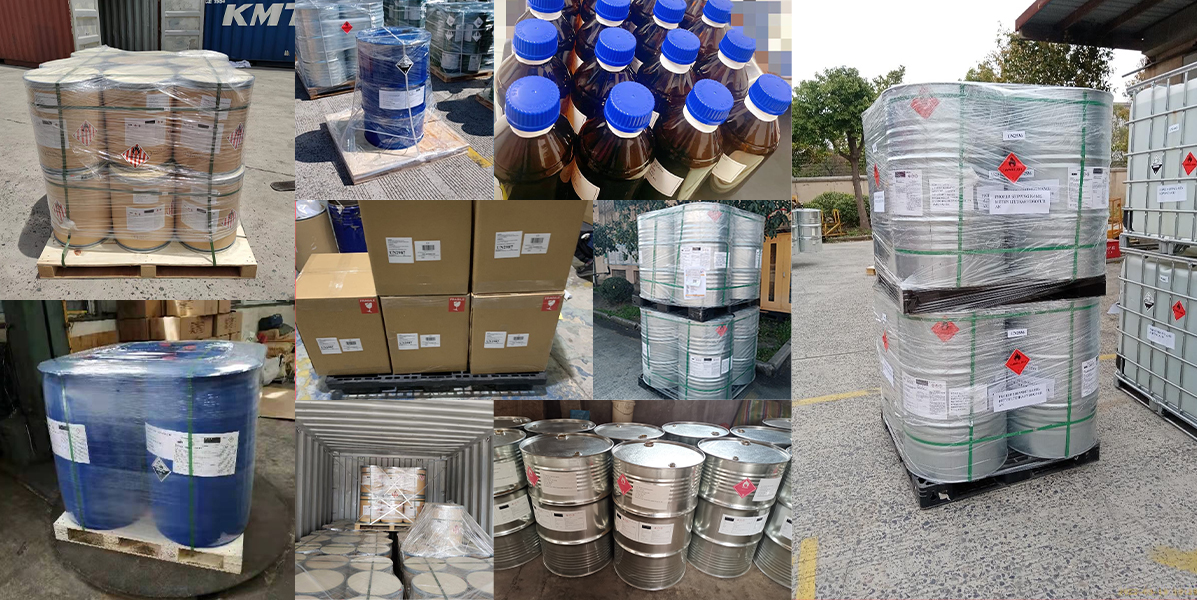
1. 20 years of R&D, manufacturing and sales experience, serving customers in 60 countries and regions around the world;
2. Own R&D laboratory, pilot platform and large-scale production workshop, which can meet the audit requirements of global customers;
3. We can satisfy customers' perfect transition from small scale lab requirements (gram level) to commercialization requirements (hundred tons level).
A: We don't have Minimum Order Quantity, exact quantity should be provided before quotation for us to calculate the exact cost.
A: We don't provide free samples due to lots of request and expensive international courier's cost, we can deduct the sample charge after commercial order placed.
A: Our payment terms: Small or sample order: T/T IN ADVANCE. Commercial order: First order should be by T/T IN ADVANCE or L/C at sight, and following orders T/T 30~90days is acceptable subject to approval of credit application.