
Custom Manufacturing, Project Outsourcing, your Trusted Partner from China
Navigating the landscape of industrial solvents and chemical intermediates requires a clear understanding of each compound's properties and applications. Two related yet distinct cyclic hydrocarbons, Naphthalene and 1,2,3,4-Tetrahydronaphthalene (Tetralin), are often considered in similar contexts, but they possess different characteristics that dictate their suitability for specific uses. For businesses looking to buy these materials, clarity on their differences and reliable sourcing is key.
Naphthalene, a polycyclic aromatic hydrocarbon, is known for its distinctive odor and its use in mothballs and some chemical syntheses. However, as a solvent, it is less versatile than its hydrogenated counterpart, Tetralin. Tetralin, which is essentially hydrogenated naphthalene, exhibits a broader solvency range and is often preferred in applications where a liquid solvent with strong dissolving power is needed. It effectively dissolves resins, waxes, greases, paints, and plastics, making it a go-to for industries ranging from coatings to fiber processing.
The key distinction lies in their chemical structure and resulting physical properties. While Naphthalene is aromatic, Tetralin is partially saturated, which contributes to its liquid state at room temperature (Melting Point: -35 °C) and its potent solvent capabilities. The raw material specifications often list Naphthalene content as a key impurity in Tetralin, with typical limits being around 0.5% to 0.7%. For purchasers, especially those using Tetralin as a pesticide intermediate or in lubricant formulations, minimizing Naphthalene content is crucial for ensuring optimal performance and reaction outcomes.
When it comes to applications, Tetralin shines as both a powerful industrial solvent and a critical intermediate. It's essential in producing insecticides like Carbaryl and Napropamide, and it helps reduce viscosity in high-viscosity oils for lubricants. Naphthalene also has industrial uses, but Tetralin’s profile as a liquid solvent with lower volatility and broader dissolution power makes it a more adaptable choice for many B2B applications. If your manufacturing process requires efficient degreasing, resin dissolution, or specific chemical synthesis, you will likely be looking to buy 1,2,3,4-Tetrahydronaphthalene.
For reliable procurement of high-purity 1,2,3,4-Tetrahydronaphthalene, sourcing from a reputable manufacturer in China is advisable. NINGBO INNO PHARMCHEM CO.,LTD. is a leading supplier that provides Tetralin with guaranteed low Naphthalene content (≤0.7%) and a minimum assay of ≥99.0%. We understand the importance of precise specifications for your industrial needs and offer competitive pricing and a stable supply chain. We encourage R&D scientists and procurement managers to contact us for quotes and samples to compare quality firsthand.
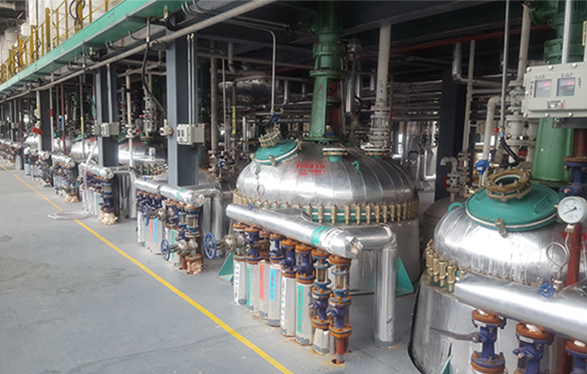
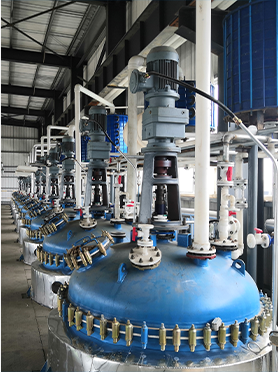
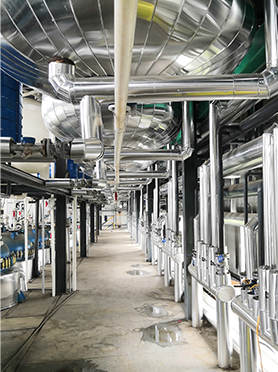
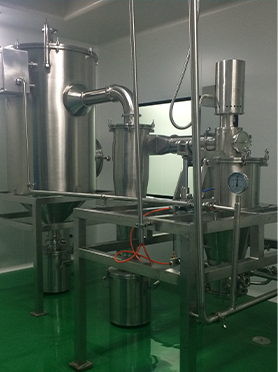
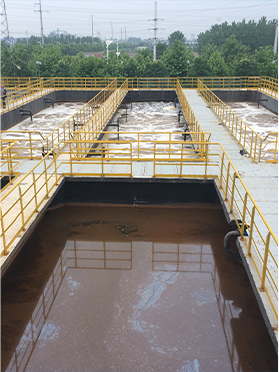
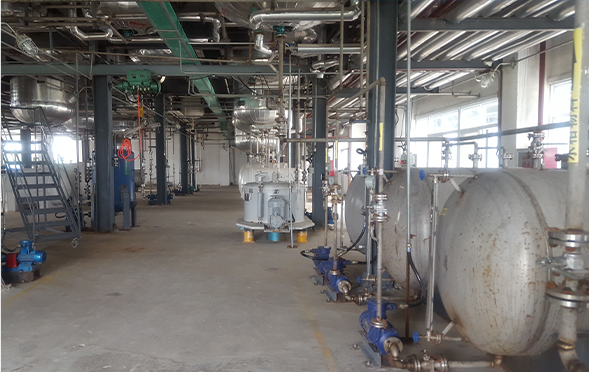
Manufacturing Facilities
Professional Export Experience
to Global Customers
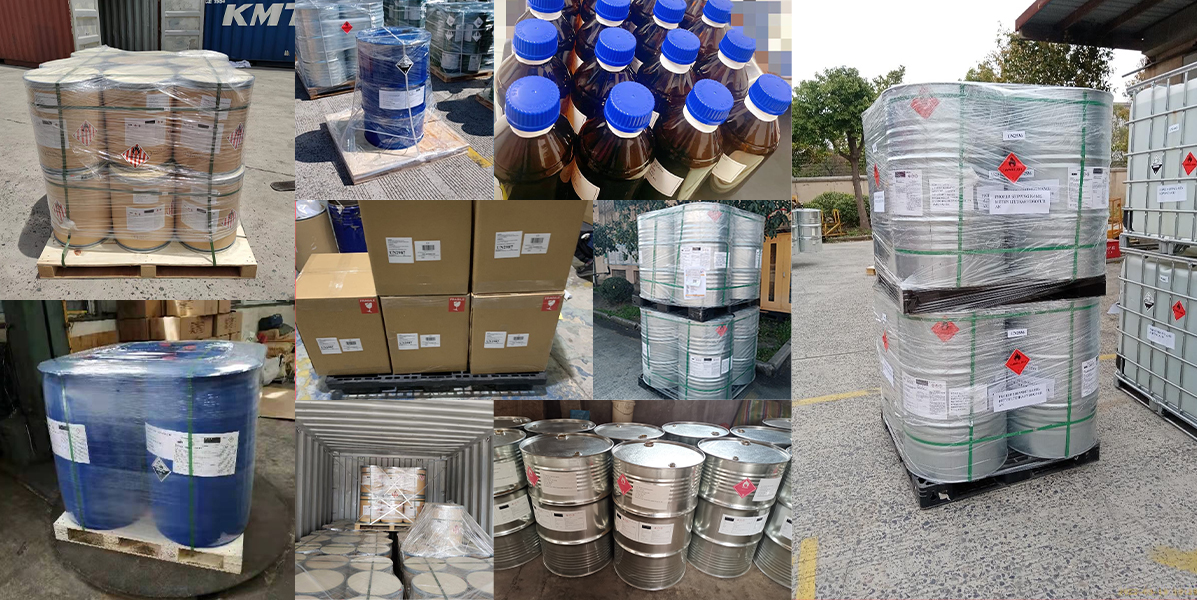
1. 20 years of R&D, manufacturing and sales experience, serving customers in 60 countries and regions around the world;
2. Own R&D laboratory, pilot platform and large-scale production workshop, which can meet the audit requirements of global customers;
3. We can satisfy customers' perfect transition from small scale lab requirements (gram level) to commercialization requirements (hundred tons level).
A: We don't have Minimum Order Quantity, exact quantity should be provided before quotation for us to calculate the exact cost.
A: We don't provide free samples due to lots of request and expensive international courier's cost, we can deduct the sample charge after commercial order placed.
A: Our payment terms: Small or sample order: T/T IN ADVANCE. Commercial order: First order should be by T/T IN ADVANCE or L/C at sight, and following orders T/T 30~90days is acceptable subject to approval of credit application.