
Custom Manufacturing, Project Outsourcing, your Trusted Partner from China
For chemists and formulators, a deep understanding of a chemical's properties is fundamental to its effective utilization. Tetramethylcyclobutane-1,3-dione (CAS 933-52-8) is a prime example of a fine chemical intermediate whose specific characteristics dictate its performance in synthesis and beyond. This article delves into the key properties that make this compound valuable for your projects, highlighting why sourcing from a reputable manufacturer is crucial.
The physical appearance of Tetramethylcyclobutane-1,3-dione is typically described as a white to yellow crystalline powder. This solid form at room temperature is advantageous for handling and storage in laboratory and industrial settings. Its melting point, often cited around 114°C, and boiling point of approximately 159°C, provide critical data for process design and optimization. Understanding these parameters helps in predicting its behavior under different reaction conditions.
Molecularly, Tetramethylcyclobutane-1,3-dione has the formula C8H12O2, with a molecular weight of 140.18. The presence of two carbonyl groups within a cyclobutane ring system imbues it with specific reactivity. This structural motif makes it a versatile precursor for a range of organic transformations. Whether you are involved in synthesizing complex organic molecules, pharmaceutical intermediates, or specialty chemicals, its chemical structure is a key asset.
Quality standards are paramount when purchasing any chemical. For Tetramethylcyclobutane-1,3-dione, specifications like USP (United States Pharmacopeia), BP (British Pharmacopoeia), and FCC (Food Chemicals Codex) indicate a high degree of purity and suitability for sensitive applications. Sourcing from manufacturers who guarantee these standards ensures that your chemical reactions proceed as expected, free from unwanted side reactions caused by impurities. We, as a dedicated manufacturer, prioritize these quality benchmarks.
When seeking to buy Tetramethylcyclobutane-1,3-dione, consider its role as a diketone. This functional group is known for its participation in condensation reactions, enolate chemistry, and other nucleophilic attacks. Its utility in constructing novel ring systems or introducing specific functionalities makes it an attractive intermediate for synthesis chemists. For those looking to secure a reliable supply of this compound, engaging with an established Chinese supplier like us can provide access to high-quality material at competitive prices, ensuring your research and production efforts are well-supported.
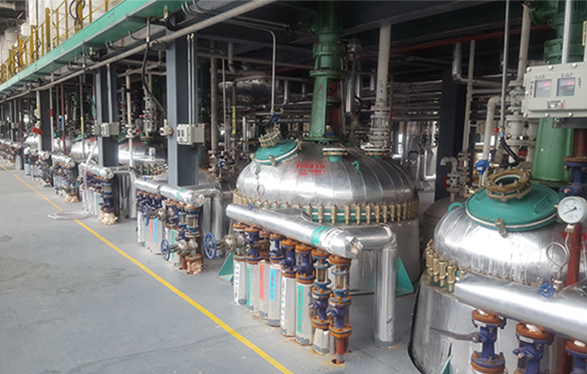
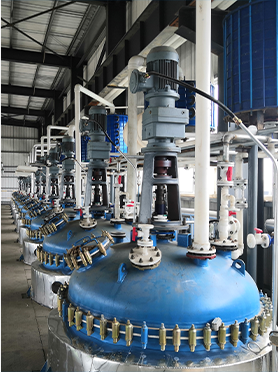
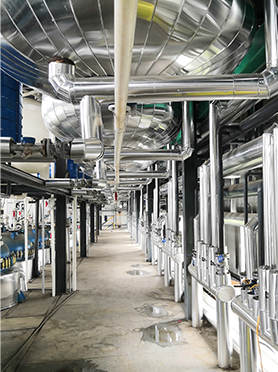
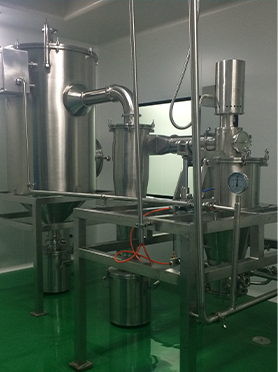
Manufacturing Facilities
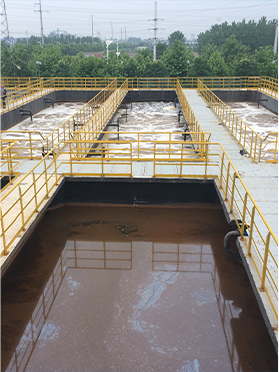
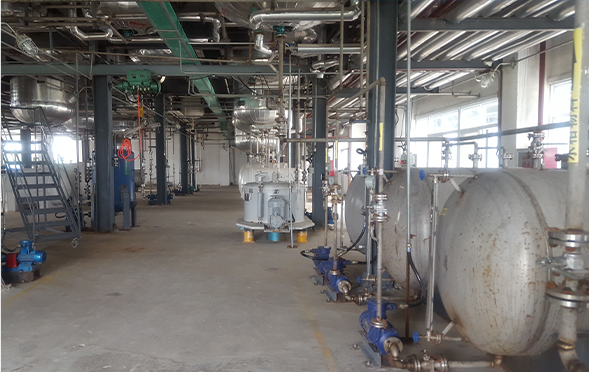
Professional Export Experience
to Global Customers
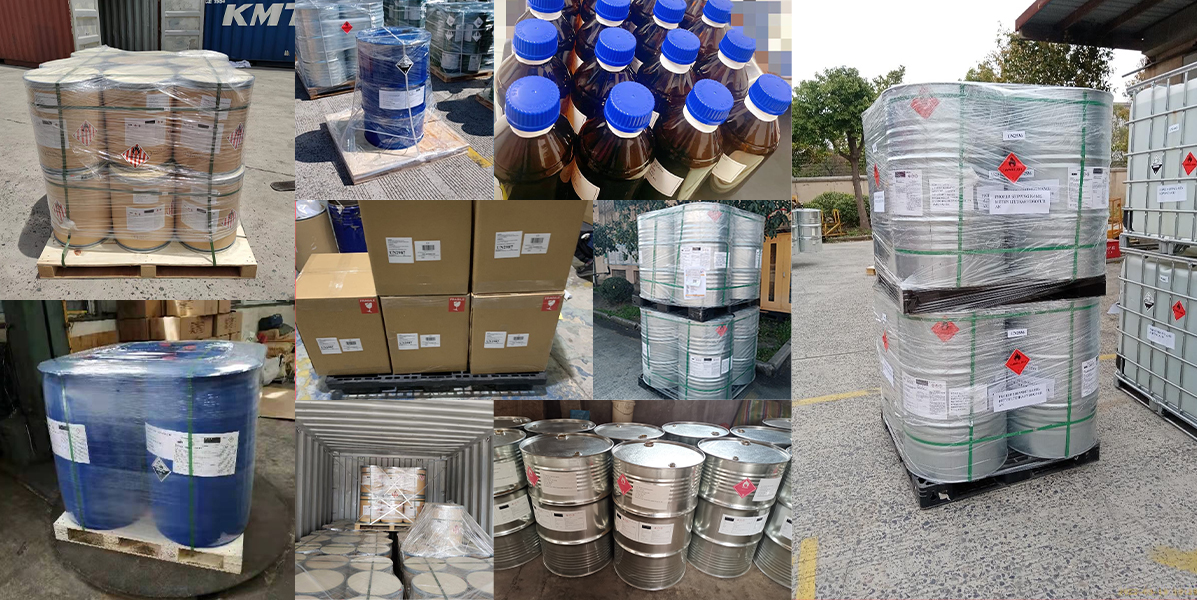
1. 20 years of R&D, manufacturing and sales experience, serving customers in 60 countries and regions around the world;
2. Own R&D laboratory, pilot platform and large-scale production workshop, which can meet the audit requirements of global customers;
3. We can satisfy customers' perfect transition from small scale lab requirements (gram level) to commercialization requirements (hundred tons level).
A: We don't have Minimum Order Quantity, exact quantity should be provided before quotation for us to calculate the exact cost.
A: We don't provide free samples due to lots of request and expensive international courier's cost, we can deduct the sample charge after commercial order placed.
A: Our payment terms: Small or sample order: T/T IN ADVANCE. Commercial order: First order should be by T/T IN ADVANCE or L/C at sight, and following orders T/T 30~90days is acceptable subject to approval of credit application.