
Custom Manufacturing, Project Outsourcing, your Trusted Partner from China
The textile industry is undergoing a significant transformation, driven by increasing consumer awareness and stricter environmental regulations regarding chemical usage. For textile printers, this means a greater emphasis on sustainable practices, including the selection of environmentally friendly auxiliary agents. Among the most critical of these are printing thickeners. This article discusses the importance of choosing AP-free (Alkylphenol-free) thickeners and how they contribute to sustainable textile printing processes. We also touch upon identifying reliable suppliers for these vital chemical auxiliaries.
The Environmental Imperative for AP-Free Textile Auxiliaries
Alkylphenol Ethoxylates (APEOs) and their derivatives, like Nonylphenol Ethoxylates (NPEOs), have long been used in textile auxiliaries for their excellent surfactant properties. However, scientific research has established that these compounds are persistent, bioaccumulative, and toxic to aquatic organisms. They can also break down into more harmful endocrine-disrupting substances. Consequently, many regions and brands have banned or severely restricted their use. For manufacturers and printers committed to sustainability and regulatory compliance, switching to AP-free alternatives is not just an option; it's a necessity.
Thickeners: A Cornerstone of Sustainable Printing
When it comes to printing pastes, the thickener is indispensable. It provides the necessary viscosity for precise application, ensuring sharp lines, vibrant colors, and preventing the dreaded 'bleeding' or spreading of inks. An ideal printing thickener for sustainable practices should possess:
Many modern thickeners are formulated using polymers that are biodegradable or derived from renewable resources, offering a superior environmental profile. These formulations are designed to mimic the performance of traditional thickeners while eliminating the associated environmental risks.
Selecting an AP-Free Thickener Supplier
Choosing the right supplier for your AP-free textile printing thickener is crucial for consistent quality and compliance. When evaluating potential partners, consider the following:
By making informed choices about your textile auxiliary agents, particularly your printing thickeners, you contribute to a more sustainable textile industry. Opting for AP-free formulations is a significant step towards reducing environmental impact without compromising on the quality and vibrancy of your printed textiles. Connecting with innovative manufacturers is key to adopting these greener chemistries.
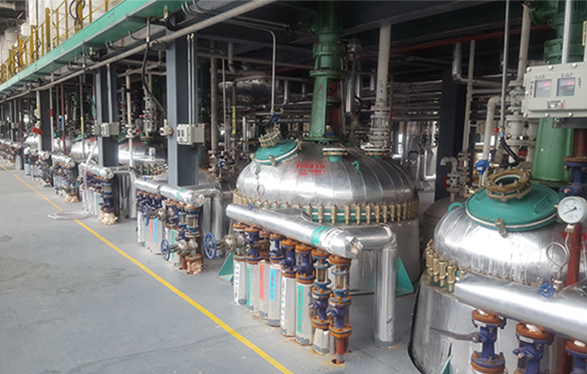
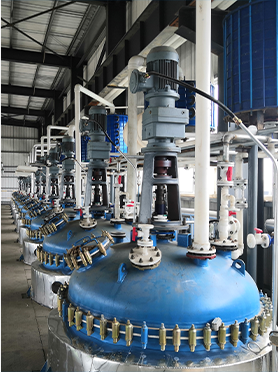
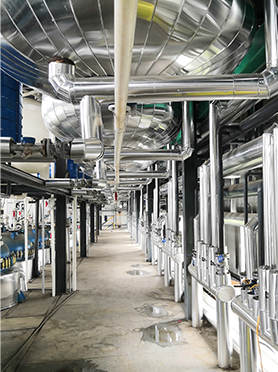
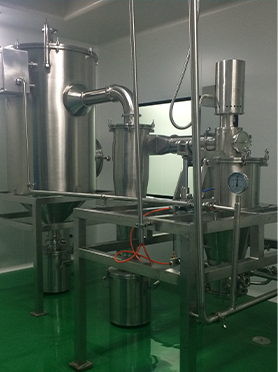
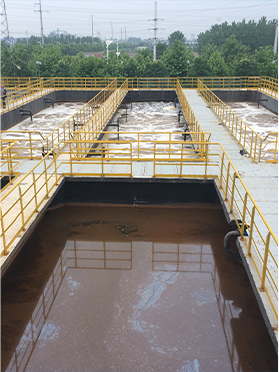
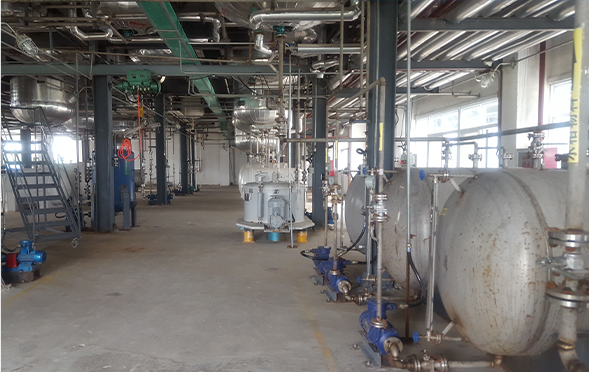
Manufacturing Facilities
Professional Export Experience
to Global Customers
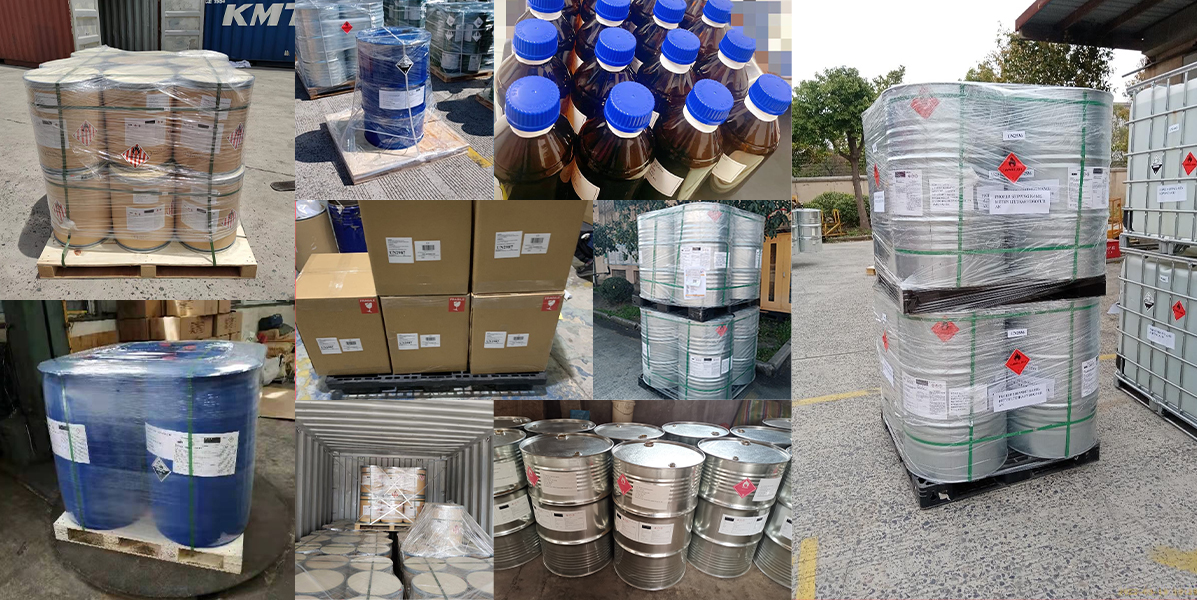
1. 20 years of R&D, manufacturing and sales experience, serving customers in 60 countries and regions around the world;
2. Own R&D laboratory, pilot platform and large-scale production workshop, which can meet the audit requirements of global customers;
3. We can satisfy customers' perfect transition from small scale lab requirements (gram level) to commercialization requirements (hundred tons level).
A: We don't have Minimum Order Quantity, exact quantity should be provided before quotation for us to calculate the exact cost.
A: We don't provide free samples due to lots of request and expensive international courier's cost, we can deduct the sample charge after commercial order placed.
A: Our payment terms: Small or sample order: T/T IN ADVANCE. Commercial order: First order should be by T/T IN ADVANCE or L/C at sight, and following orders T/T 30~90days is acceptable subject to approval of credit application.