
Custom Manufacturing, Project Outsourcing, your Trusted Partner from China
The textile industry relies heavily on printing auxiliaries to achieve desired effects, and thickeners play a crucial role in formulating printing pastes. Historically, natural gums like alginates or guar gum were the primary choice. However, advancements in chemical synthesis have introduced a new generation of synthetic thickeners that offer distinct advantages for modern textile printing processes, especially reactive printing.
Natural thickeners, while often perceived as environmentally friendly and naturally sourced, can sometimes present challenges in terms of consistency, stability, and performance under varied conditions. Their viscosity can fluctuate with changes in pH, temperature, or electrolyte concentration, potentially leading to inconsistent print results and the need for precise formulation adjustments. For businesses looking to buy in bulk, this variability can pose a risk to production quality.
Synthetic thickeners, on the other hand, are typically acrylic polymers or similar synthetic compounds. They are designed for high performance, offering excellent viscosity stability across a broad range of conditions. For reactive printing, this means that the print paste will maintain its intended rheology from preparation to application, ensuring uniform dye uptake and sharp definition. As a knowledgeable manufacturer and supplier, we emphasize the reliability that synthetic options bring to the table.
One of the key advantages of synthetic thickeners is their electrolyte tolerance. Many reactive printing formulations contain electrolytes (like salts) to promote dye fixation. Synthetic thickeners can withstand these conditions without significant loss of viscosity, something that can be problematic with some natural thickeners. This makes them particularly well-suited for reactive printing on cotton and rayon, where such electrolytes are commonly used.
In terms of application, synthetic thickeners often require lower concentrations to achieve the same level of thickening compared to natural alternatives. This high efficiency translates directly into cost savings. When evaluating the price of a thickener, it's important to consider the 'cost-in-use' rather than just the per-kilogram price. A slightly more expensive synthetic thickener that requires half the amount might actually be more economical overall.
Furthermore, synthetic thickeners are generally easier to disperse and incorporate into printing pastes. Many are designed for cold-process thickening, eliminating the need for heating and simplifying the preparation steps. This not only saves energy but also reduces processing time, boosting overall production efficiency.
For textile manufacturers, making an informed decision about thickeners involves balancing performance, cost, and application requirements. While natural thickeners have their place, synthetic options often provide a more robust and cost-effective solution for demanding applications like reactive printing. We recommend consulting with our technical team to explore the specific benefits our range of synthetic thickeners can offer your operations and to discuss bulk purchasing and pricing.
We are dedicated to providing high-quality textile auxiliaries and supporting our clients in optimizing their printing processes. By understanding the distinct advantages of synthetic thickeners, you can enhance your product quality and operational efficiency.
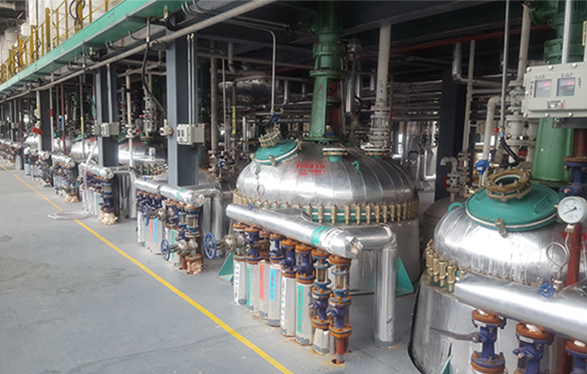
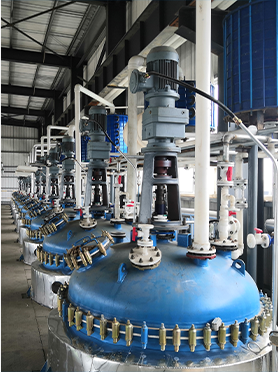
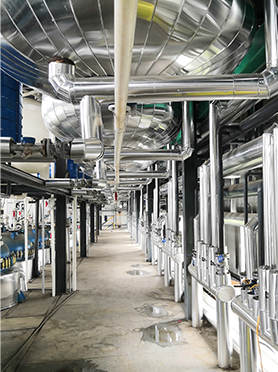
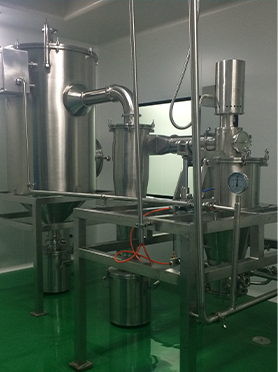
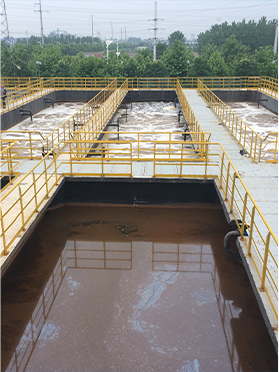
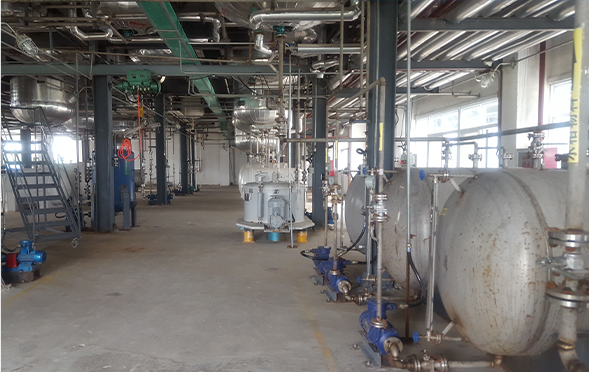
Manufacturing Facilities
Professional Export Experience
to Global Customers
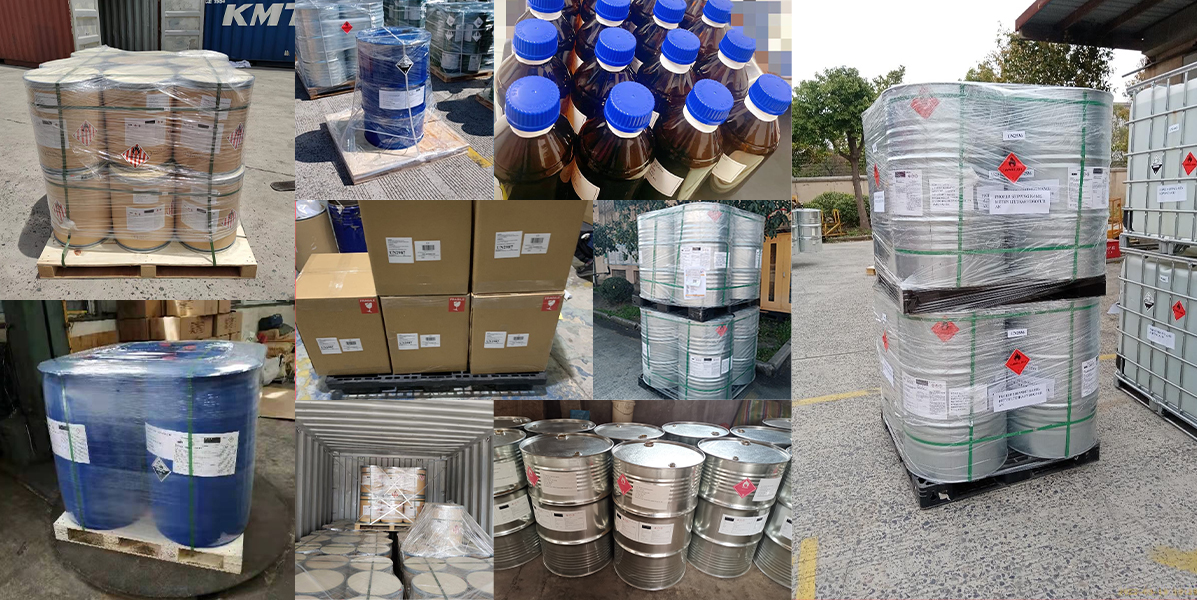
1. 20 years of R&D, manufacturing and sales experience, serving customers in 60 countries and regions around the world;
2. Own R&D laboratory, pilot platform and large-scale production workshop, which can meet the audit requirements of global customers;
3. We can satisfy customers' perfect transition from small scale lab requirements (gram level) to commercialization requirements (hundred tons level).
A: We don't have Minimum Order Quantity, exact quantity should be provided before quotation for us to calculate the exact cost.
A: We don't provide free samples due to lots of request and expensive international courier's cost, we can deduct the sample charge after commercial order placed.
A: Our payment terms: Small or sample order: T/T IN ADVANCE. Commercial order: First order should be by T/T IN ADVANCE or L/C at sight, and following orders T/T 30~90days is acceptable subject to approval of credit application.