
Custom Manufacturing, Project Outsourcing, your Trusted Partner from China
The vibrant and efficient displays that define modern electronic devices owe much of their advancement to the sophisticated organic materials used in OLED technology. The synthesis of these critical materials relies heavily on precisely engineered chemical intermediates, with boronic acids, particularly those incorporating aromatic heterocycles like carbazole, playing a significant role.
This article explores the practical applications of intermediates such as (9-phenylcarbazol-2-yl)boronic acid in the fabrication of OLED devices. We will examine how their chemical properties facilitate the construction of advanced organic semiconductors and how sourcing these vital components from reputable manufacturers, like us, is key to achieving optimal device performance.
(9-phenylcarbazol-2-yl)boronic acid (CAS: 1001911-63-2) is a workhorse intermediate for organic chemists involved in OLED material development. Its utility primarily stems from its participation in Suzuki-Miyaura cross-coupling reactions. This powerful synthetic tool allows for the formation of new carbon-carbon bonds by reacting the boronic acid group with organic halides (such as bromides or iodides) in the presence of a palladium catalyst and a base. This modular approach is highly effective for building the large, conjugated organic molecules that form the active layers of OLEDs.
The (9-phenylcarbazol-2-yl) fragment itself is chosen for its inherent electronic and thermal properties. The carbazole unit provides good hole mobility and thermal stability, while the phenyl substituent can fine-tune solubility, morphology, and electronic energy levels. By coupling this intermediate with various aryl or heteroaryl halides, researchers can precisely engineer molecules for specific functions:
When seeking to buy these specialized materials, it is crucial for R&D scientists to source intermediates like (9-phenylcarbazol-2-yl)boronic acid from suppliers who guarantee high purity (≥98.0%) and batch consistency. This ensures reliable and repeatable synthetic outcomes, which are critical for reproducible device performance.
The process of developing and fabricating OLEDs is complex and requires meticulous attention to detail. The quality of every component, including chemical intermediates, directly impacts the final product's performance, efficiency, and lifespan. Therefore, a reliable supplier of (9-phenylcarbazol-2-yl)boronic acid is an invaluable partner. Manufacturers in China, equipped with advanced synthesis capabilities and stringent quality control, are well-positioned to provide these essential materials.
We, as a dedicated manufacturer and supplier of fine chemicals, understand the critical needs of the OLED industry. Our commitment to high purity (≥98.0%) and consistent quality for intermediates like (9-phenylcarbazol-2-yl)boronic acid ensures that your fabrication processes proceed smoothly and yield devices that meet your performance targets. We offer a reliable supply chain, allowing you to focus on innovation rather than material sourcing challenges.
The continued evolution of OLED technology depends on the availability of increasingly sophisticated and pure chemical building blocks. By providing essential intermediates like (9-phenylcarbazol-2-yl)boronic acid, we empower researchers and manufacturers to design and produce the next generation of displays and lighting. Whether you are scaling up production or conducting early-stage research, we are here to support your endeavors with high-quality materials and expert service.
We invite you to contact us for your (9-phenylcarbazol-2-yl)boronic acid needs and explore our range of OLED intermediates. Let us help you build the future of displays.
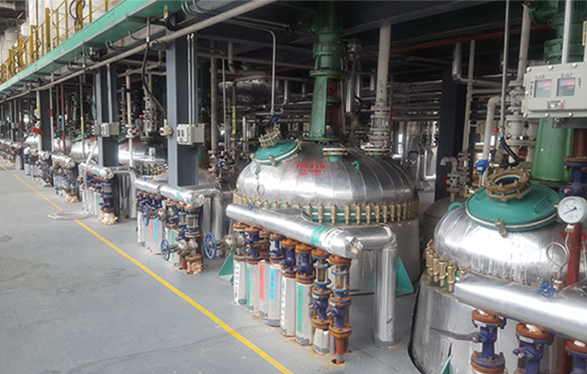
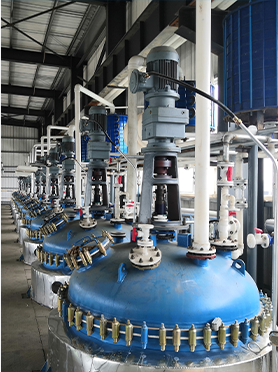
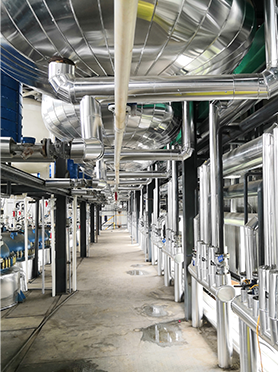
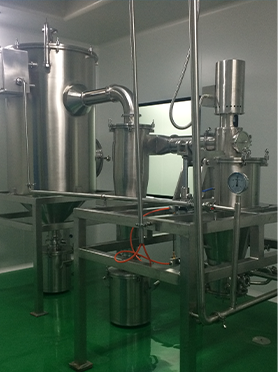
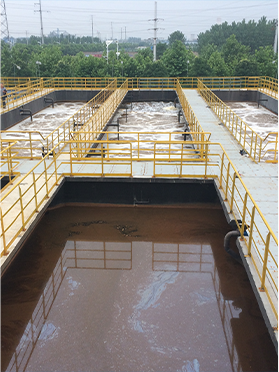
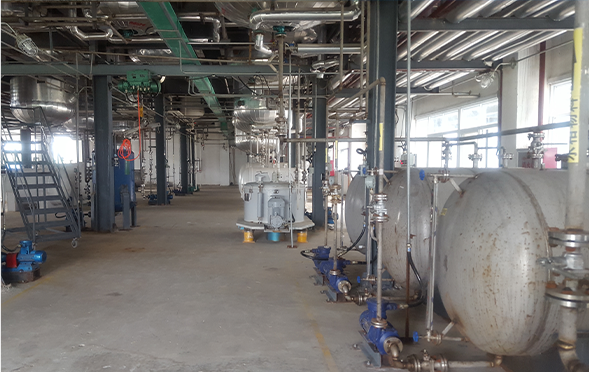
Manufacturing Facilities
Professional Export Experience
to Global Customers
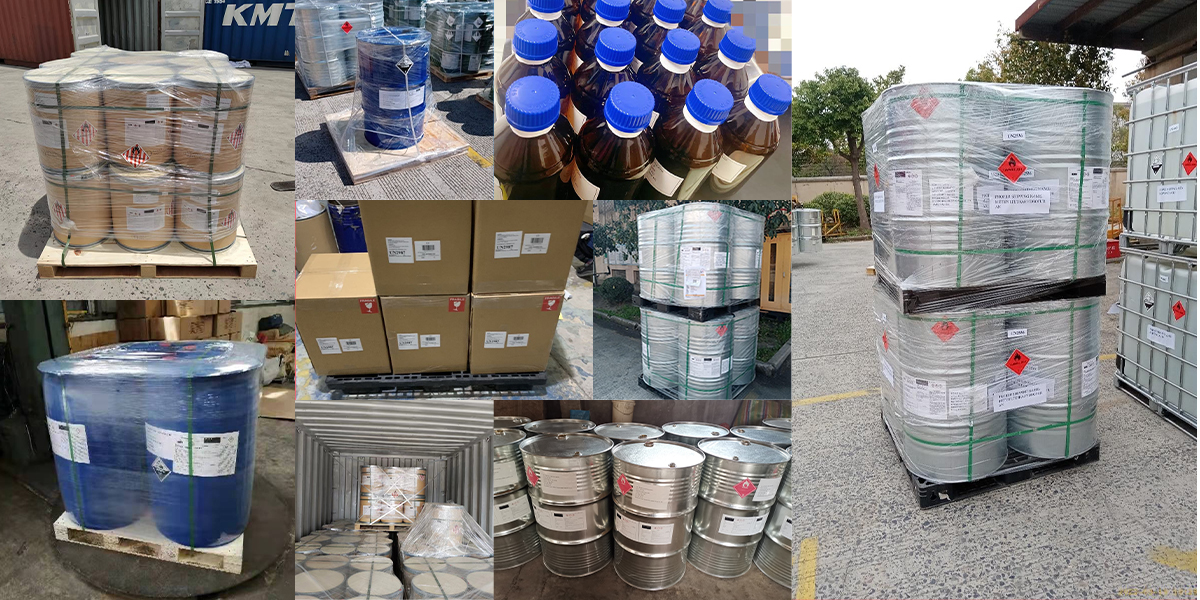
1. 20 years of R&D, manufacturing and sales experience, serving customers in 60 countries and regions around the world;
2. Own R&D laboratory, pilot platform and large-scale production workshop, which can meet the audit requirements of global customers;
3. We can satisfy customers' perfect transition from small scale lab requirements (gram level) to commercialization requirements (hundred tons level).
A: We don't have Minimum Order Quantity, exact quantity should be provided before quotation for us to calculate the exact cost.
A: We don't provide free samples due to lots of request and expensive international courier's cost, we can deduct the sample charge after commercial order placed.
A: Our payment terms: Small or sample order: T/T IN ADVANCE. Commercial order: First order should be by T/T IN ADVANCE or L/C at sight, and following orders T/T 30~90days is acceptable subject to approval of credit application.