
Custom Manufacturing, Project Outsourcing, your Trusted Partner from China
Linalool (CAS 78-70-6) is a fascinating organic compound that holds significant importance across multiple industries. As an aromatic alcohol, its chemical structure and reactivity make it a valuable ingredient for perfumers, flavorists, and chemists alike. Understanding its properties and synthesis is crucial for anyone involved in its procurement or application.
Chemical Structure and Properties
Linalool is a monoterpenoid, meaning it is derived from two isoprene units. Its chemical formula is C₁₀H₁₈O, and its IUPAC name is 3,7-Dimethyl-1,6-octadien-3-ol. Key physical and chemical properties include:
Synthesis Routes: From Nature to Industry
While Linalool is naturally abundant in many plant essential oils, industrial-scale demand necessitates efficient synthetic production. Several key synthesis routes are employed:
Manufacturers like us invest heavily in optimizing these synthesis processes to ensure high purity and consistent quality of the final Linalool product. Our commitment to advanced chemical engineering allows us to offer Linalool (CAS 78-70-6) with a purity of 98.0% and above, suitable for demanding applications in the fragrance, flavor, and pharmaceutical industries. For those looking to understand the chemical underpinnings of this versatile molecule, exploring its properties and synthesis provides valuable insight.
If your business requires a reliable Linalool supplier or a trusted manufacturer of aromatic alcohol, understanding these chemical details is the first step. We provide comprehensive technical data and support to ensure you receive the Linalool best suited for your specific needs, whether for complex fragrance formulations or as a critical intermediate for Vitamin E synthesis.
Manufacturing Facilities
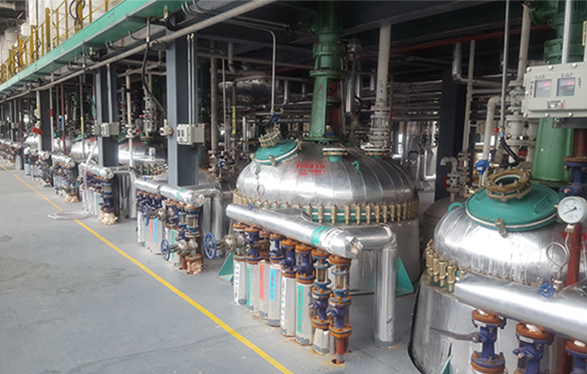
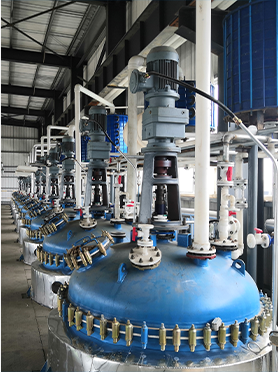
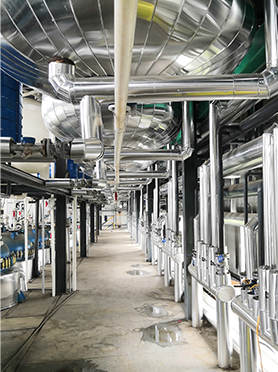
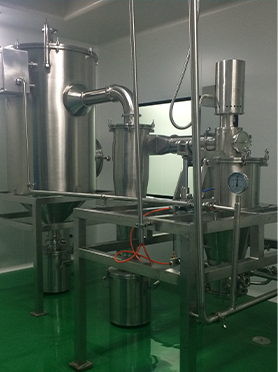
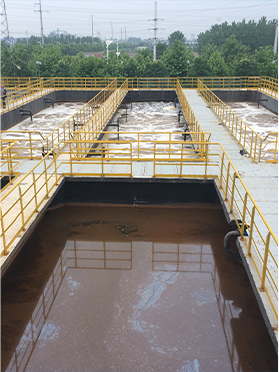
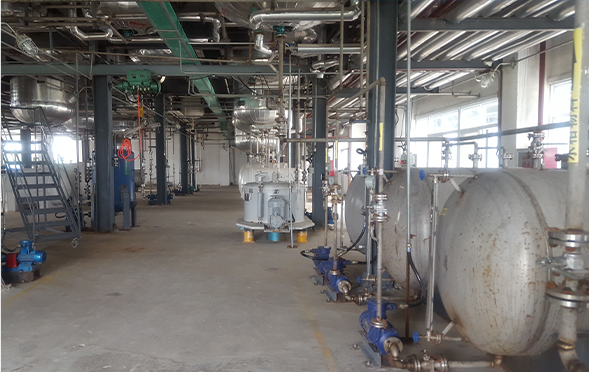
Professional Export Experience
to Global Customers
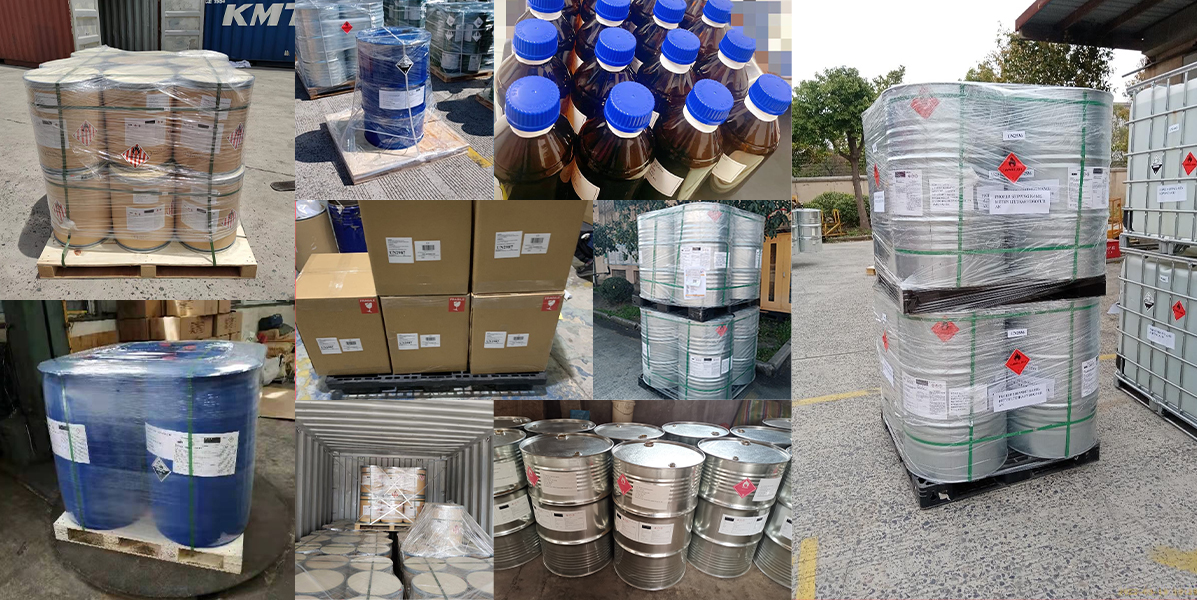
1. 20 years of R&D, manufacturing and sales experience, serving customers in 60 countries and regions around the world;
2. Own R&D laboratory, pilot platform and large-scale production workshop, which can meet the audit requirements of global customers;
3. We can satisfy customers' perfect transition from small scale lab requirements (gram level) to commercialization requirements (hundred tons level).
A: We don't have Minimum Order Quantity, exact quantity should be provided before quotation for us to calculate the exact cost.
A: We don't provide free samples due to lots of request and expensive international courier's cost, we can deduct the sample charge after commercial order placed.
A: Our payment terms: Small or sample order: T/T IN ADVANCE. Commercial order: First order should be by T/T IN ADVANCE or L/C at sight, and following orders T/T 30~90days is acceptable subject to approval of credit application.