
Custom Manufacturing, Project Outsourcing, your Trusted Partner from China
For chemists and procurement specialists in the fine chemical industry, understanding the fundamental chemistry of key intermediates is crucial for informed purchasing decisions. 2,5-Dimethylbromobenzene (CAS 553-94-6) is one such compound, a brominated aromatic hydrocarbon that serves as a versatile building block in a multitude of organic synthesis pathways. As a prominent supplier of such materials, we aim to shed light on the chemical properties that make this compound so valuable for B2B applications.
Understanding the Molecular Structure and Reactivity
At its core, 2,5-Dimethylbromobenzene is a benzene ring substituted with two methyl groups at the 2 and 5 positions, and a bromine atom at the 1 position (relative to the methyl groups). This specific arrangement imparts distinct chemical characteristics. The bromine atom is susceptible to nucleophilic substitution and, more significantly, plays a pivotal role in palladium-catalyzed cross-coupling reactions. These reactions are workhorses in modern organic synthesis, enabling the formation of new carbon-carbon bonds with high efficiency and selectivity. When chemists decide to buy this intermediate, they are often leveraging its potential for these powerful transformations.
The presence of the two methyl groups also influences the compound's reactivity and physical properties. They provide steric bulk, which can sometimes direct reactions to specific sites or influence reaction rates. Furthermore, these methyl groups increase the electron density of the aromatic ring, potentially making it more reactive in electrophilic aromatic substitution reactions, though the bromine atom often dictates the primary reaction pathways for cross-coupling.
Key Chemical and Physical Properties
When evaluating 2,5-Dimethylbromobenzene from a manufacturer, several key properties are routinely assessed:
These properties collectively make 2,5-Dimethylbromobenzene an attractive choice for chemical synthesis, whether for producing fine chemicals, agrochemical intermediates, or even as a starting point for novel polymers.
Applications as a Synthesis Intermediate
The primary use of 2,5-Dimethylbromobenzene is as a synthesis material intermediate. It is frequently employed in:
For businesses looking to purchase this compound, working with a reliable supplier in China like us ensures access to consistent quality and competitive prices. Our comprehensive understanding of its chemistry allows us to support your projects from initial inquiry to successful delivery.
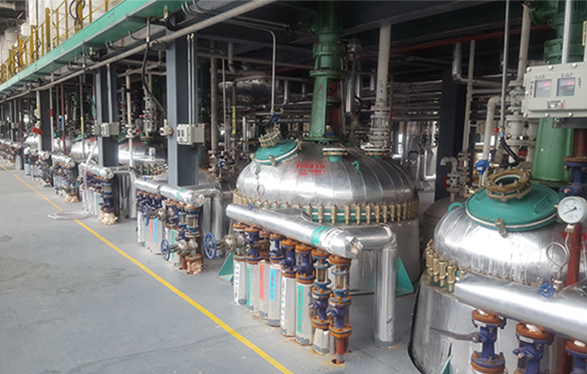
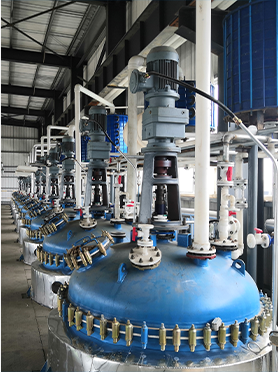
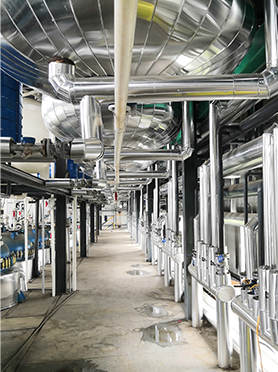
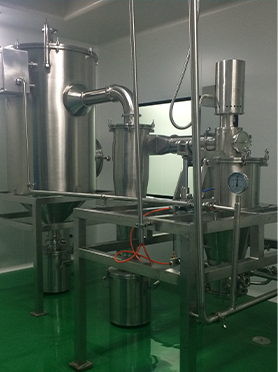
Manufacturing Facilities
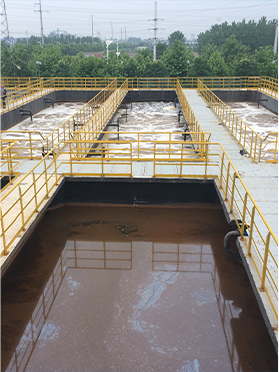
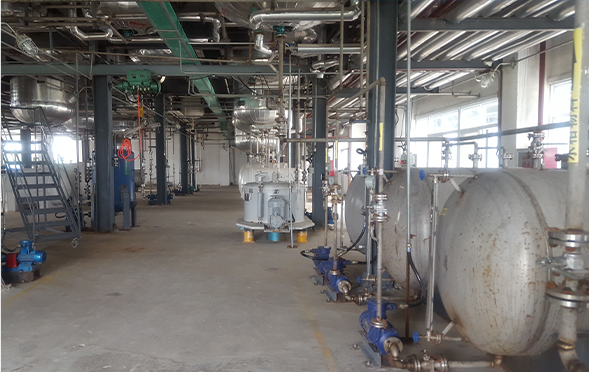
Professional Export Experience
to Global Customers
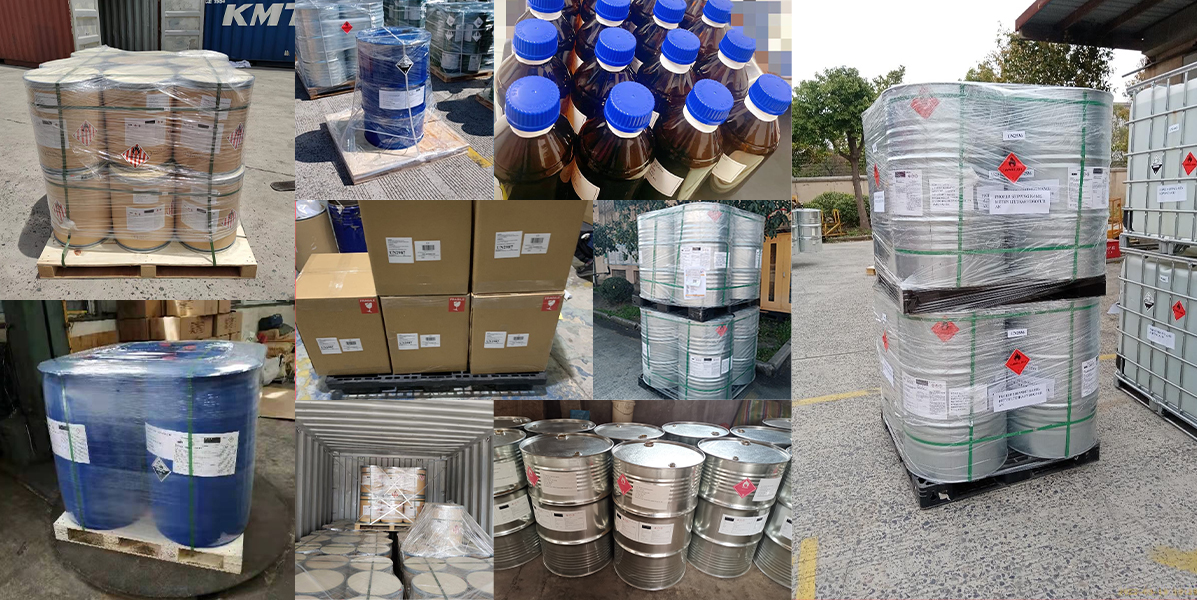
1. 20 years of R&D, manufacturing and sales experience, serving customers in 60 countries and regions around the world;
2. Own R&D laboratory, pilot platform and large-scale production workshop, which can meet the audit requirements of global customers;
3. We can satisfy customers' perfect transition from small scale lab requirements (gram level) to commercialization requirements (hundred tons level).
A: We don't have Minimum Order Quantity, exact quantity should be provided before quotation for us to calculate the exact cost.
A: We don't provide free samples due to lots of request and expensive international courier's cost, we can deduct the sample charge after commercial order placed.
A: Our payment terms: Small or sample order: T/T IN ADVANCE. Commercial order: First order should be by T/T IN ADVANCE or L/C at sight, and following orders T/T 30~90days is acceptable subject to approval of credit application.