
Custom Manufacturing, Project Outsourcing, your Trusted Partner from China
The vibrant and energy-efficient displays we see in smartphones, televisions, and other electronic devices owe their existence to the sophisticated field of organic electronics, with Organic Light-Emitting Diodes (OLEDs) being a prime example. The creation of these luminous displays relies on a complex interplay of specialized organic molecules, known as OLED intermediates. As a dedicated manufacturer specializing in advanced organic compounds, we are at the forefront of supplying these critical materials that power innovation in the electronics industry.
At its core, an OLED device comprises several organic layers sandwiched between two electrodes. Each layer performs a specific function, such as injecting, transporting, or emitting light. The performance of the entire device is critically dependent on the purity and specific properties of the organic materials used in these layers. This is where key intermediates become indispensable.
Among the most versatile and widely used intermediates are boronic acids and their derivatives. These compounds, containing a boron atom bonded to carbon, are exceptionally useful in metal-catalyzed cross-coupling reactions, particularly the Suzuki-Miyaura coupling. This reaction is a cornerstone for constructing carbon-carbon bonds, allowing chemists to assemble large, complex organic molecules with precise structural control. For instance, B-[4-(Biphenyl-4-ylphenylamino)phenyl]boronic acid (CAS 1084334-86-0) is a prime example of such an intermediate. Its unique structure, featuring a diarylamine moiety and a boronic acid functional group, makes it an ideal precursor for synthesizing advanced host materials and charge-transporting layers in OLEDs.
The development of new OLED materials is a continuous pursuit to achieve higher quantum efficiencies, longer lifetimes, and improved color rendition. This requires a steady supply of high-quality intermediates from reliable manufacturers. Whether you are a researcher exploring novel molecular designs or a production manager scaling up synthesis, securing materials like B-[4-(Biphenyl-4-ylphenylamino)phenyl]boronic acid with high assay (≥98.0%) is crucial for success. We understand this need and are committed to providing these essential building blocks to the global market.
The array of OLED intermediates extends beyond boronic acids to include compounds based on carbazole, fluorene, anthracene, and many other aromatic systems. Each contributes unique properties that enable specific functionalities within the OLED device. As the demand for better electronic displays continues to rise, the importance of these chemical foundations only grows. By offering a range of these vital compounds, including B-[4-(Biphenyl-4-ylphenylamino)phenyl]boronic acid, we aim to support the relentless innovation in organic electronics and help bring brighter, more efficient displays to the world.
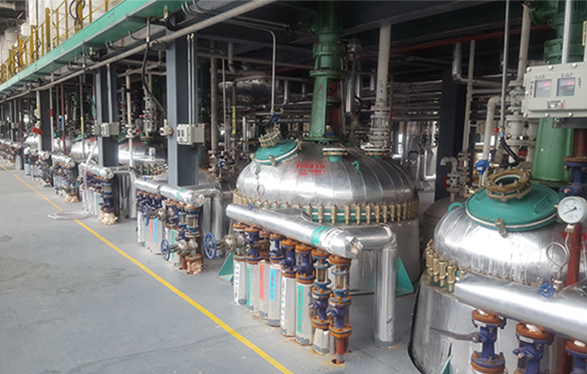
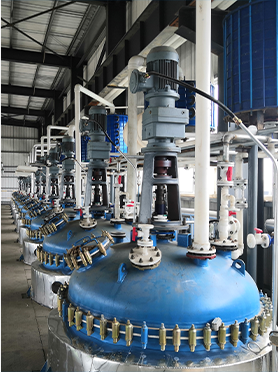
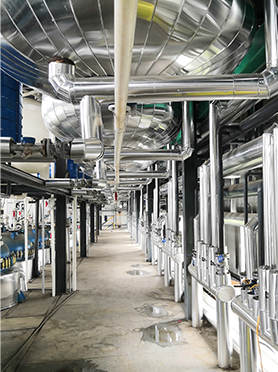
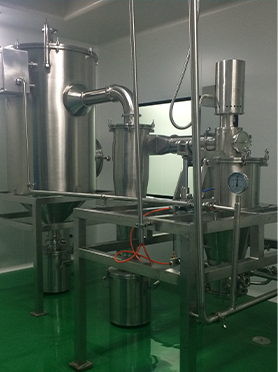
Manufacturing Facilities
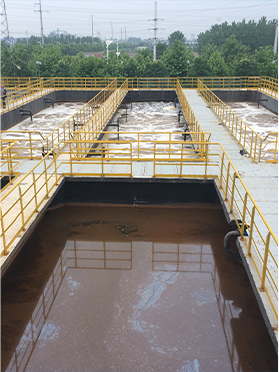
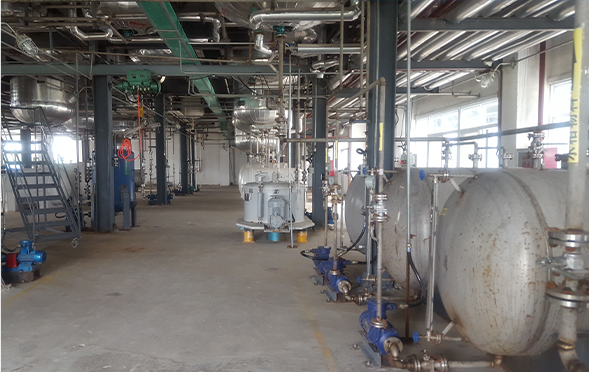
Professional Export Experience
to Global Customers
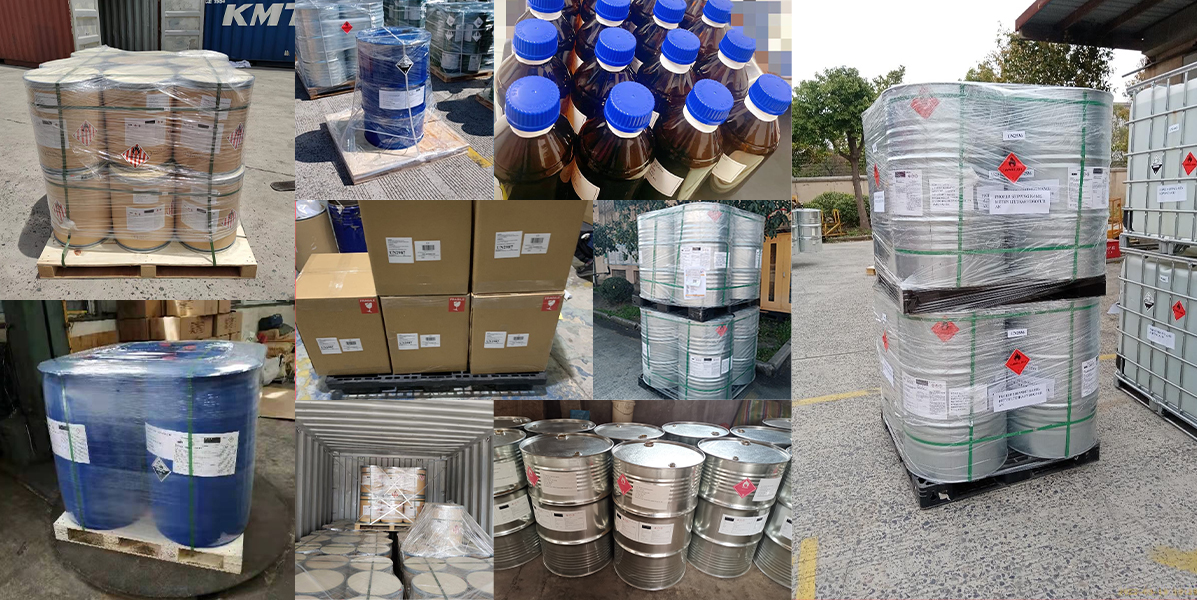
1. 20 years of R&D, manufacturing and sales experience, serving customers in 60 countries and regions around the world;
2. Own R&D laboratory, pilot platform and large-scale production workshop, which can meet the audit requirements of global customers;
3. We can satisfy customers' perfect transition from small scale lab requirements (gram level) to commercialization requirements (hundred tons level).
A: We don't have Minimum Order Quantity, exact quantity should be provided before quotation for us to calculate the exact cost.
A: We don't provide free samples due to lots of request and expensive international courier's cost, we can deduct the sample charge after commercial order placed.
A: Our payment terms: Small or sample order: T/T IN ADVANCE. Commercial order: First order should be by T/T IN ADVANCE or L/C at sight, and following orders T/T 30~90days is acceptable subject to approval of credit application.