
Custom Manufacturing, Project Outsourcing, your Trusted Partner from China
The incorporation of fluorine atoms into organic molecules has revolutionized various scientific and industrial fields, especially pharmaceuticals and agrochemicals. Among fluorinated organic compounds, those bearing trifluoromethyl (-CF3) groups are particularly significant. These groups impart unique electronic and steric properties that can drastically alter a molecule's behavior. A prime example of such a valuable compound is 3,5-Bis(trifluoromethyl)benzonitrile, identified by CAS No.: 27126-93-8, a key intermediate in sophisticated chemical synthesis.
The trifluoromethyl group is one of the most electronegative substituents encountered in organic chemistry. This high electronegativity leads to a strong inductive electron-withdrawing effect, which can influence the reactivity of adjacent functional groups and the overall electronic distribution within a molecule. For 3,5-Bis(trifluoromethyl)benzonitrile, the presence of two such groups on the benzene ring at positions 3 and 5 significantly impacts its chemical profile. This electron-deficient nature makes the aromatic ring less susceptible to electrophilic aromatic substitution but can activate it towards nucleophilic attack at specific positions or influence reactions at the nitrile moiety.
Furthermore, the -CF3 group is sterically demanding and highly lipophilic. The increased lipophilicity, or fat solubility, is a crucial factor in pharmaceutical design, as it can improve a drug's ability to cross cell membranes and enhance its absorption and distribution within the body. The metabolic stability conferred by the strong carbon-fluorine bonds means that molecules containing -CF3 groups are often more resistant to enzymatic degradation, leading to longer half-lives and improved therapeutic efficacy. These properties make 3,5-Bis(trifluoromethyl)benzonitrile an excellent starting material for drug candidates.
The nitrile functional group (-CN) in 3,5-Bis(trifluoromethyl)benzonitrile is itself highly versatile. It can be readily hydrolyzed to a carboxylic acid, reduced to an amine, or participate in cycloaddition reactions. In conjunction with the electron-withdrawing trifluoromethyl groups, the nitrile moiety's reactivity can be finely tuned. This dual functionality makes it a powerful building block for chemists designing complex molecular structures for various applications. For manufacturers and researchers looking to buy this compound, understanding these chemical nuances is key to appreciating its value in synthesis.
In summary, the chemistry of 3,5-Bis(trifluoromethyl)benzonitrile is dominated by the synergistic effects of its nitrile group and the two trifluoromethyl substituents. These features render it an indispensable intermediate in fields ranging from pharmaceutical synthesis to the development of advanced materials. For any organization seeking to leverage the power of trifluoromethylated compounds, ensuring a reliable supply of this high-purity chemical from expert manufacturers is a critical step towards innovation and success.
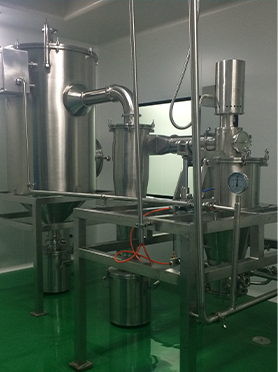
Manufacturing Facilities





Professional Export Experience
to Global Customers
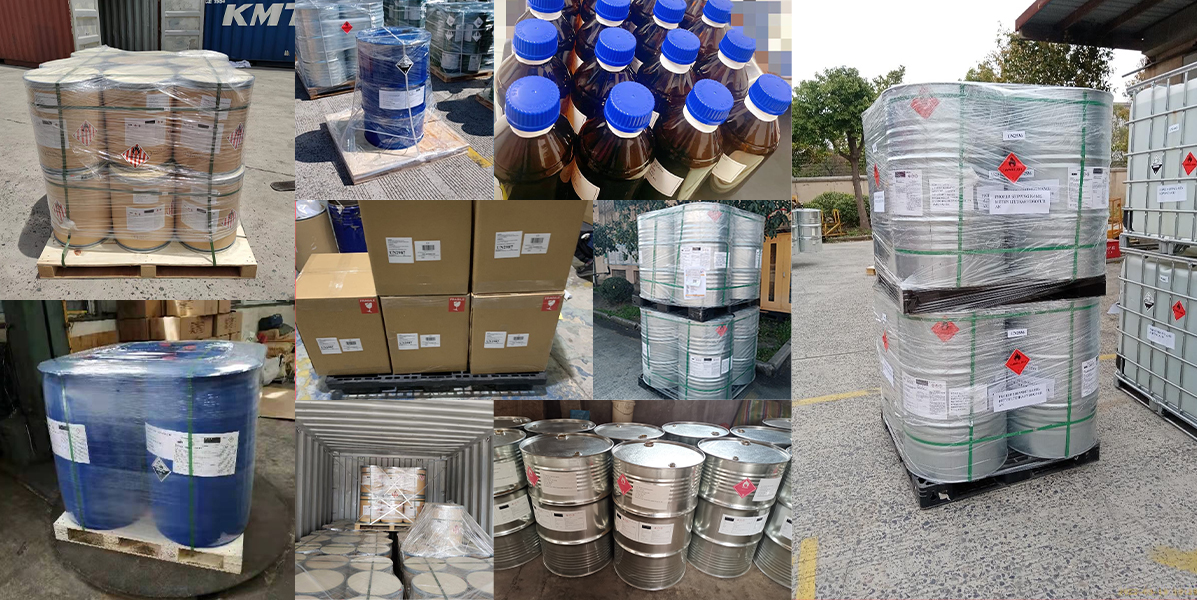
1. 20 years of R&D, manufacturing and sales experience, serving customers in 60 countries and regions around the world;
2. Own R&D laboratory, pilot platform and large-scale production workshop, which can meet the audit requirements of global customers;
3. We can satisfy customers' perfect transition from small scale lab requirements (gram level) to commercialization requirements (hundred tons level).
A: We don't have Minimum Order Quantity, exact quantity should be provided before quotation for us to calculate the exact cost.
A: We don't provide free samples due to lots of request and expensive international courier's cost, we can deduct the sample charge after commercial order placed.
A: Our payment terms: Small or sample order: T/T IN ADVANCE. Commercial order: First order should be by T/T IN ADVANCE or L/C at sight, and following orders T/T 30~90days is acceptable subject to approval of credit application.