
Custom Manufacturing, Project Outsourcing, your Trusted Partner from China
In the realm of material science and chemical preservation, certain compounds leave a significant mark due to their unique properties and widespread application. One such compound is 10,10'-Oxybisphenoxarsine, commonly abbreviated as OBPA. This organoarsenic compound, identified by its CAS number 58-36-6, has historically played a crucial role as a potent biocide, offering effective protection against microbial degradation in a variety of industrial and consumer products. Understanding the 10,10'-Oxybisphenoxarsine biocide and its applications provides valuable insight into the evolution of material preservation techniques.
OBPA's efficacy stems from its dual action as a fungistat and bactericide. It was particularly valued for its ability to inhibit the growth of fungi, bacteria, and algae, thereby preventing the biodeterioration of materials. This made it an ideal additive for products manufactured from polymers, especially polyvinyl chloride (PVC). Historically, it was incorporated into items such as shower curtains, vinyl upholstery, tarpaulins, and even paints and coatings. The primary goal was to extend the product's lifespan and maintain its aesthetic and functional integrity by preventing microbial colonization. Examining these OBPA antimicrobial applications highlights its importance in the history of material science.
The chemical structure of OBPA, featuring two phenoxarsine units bridged by an oxygen atom, contributed to its stability. This stability allowed it to withstand processing temperatures, a critical factor for its incorporation into plastics and other manufactured goods. The historical use of OBPA as a fungicide and its presence in various industrial settings underscore the search for effective and persistent antimicrobial agents. Discussions around organoarsenic compounds in industry often circle back to OBPA due to its historical prevalence and the potent nature of its arsenic-based toxicity.
While OBPA's effectiveness was widely recognized, its arsenic content also raised safety and environmental concerns. Over time, regulatory bodies in various regions began to restrict its use due to the known health risks associated with arsenic exposure. This led to a decline in its widespread adoption in new formulations, with many applications now favoring less toxic alternatives. However, the historical significance and the insights gained from studying its performance remain relevant in the field of material preservation biocide development.
The legacy of OBPA serves as a valuable case study in the continuous effort to balance efficacy with safety in chemical applications. For manufacturers and researchers, understanding the historical role of compounds like OBPA can inform the development of next-generation antimicrobial solutions. The pursuit of effective material preservation biocide strategies continues, drawing lessons from the successes and challenges presented by historical compounds like 10,10'-Oxybisphenoxarsine. NINGBO INNO PHARMCHEM CO.,LTD. remains committed to advancing research in chemical solutions that meet both performance and safety standards.
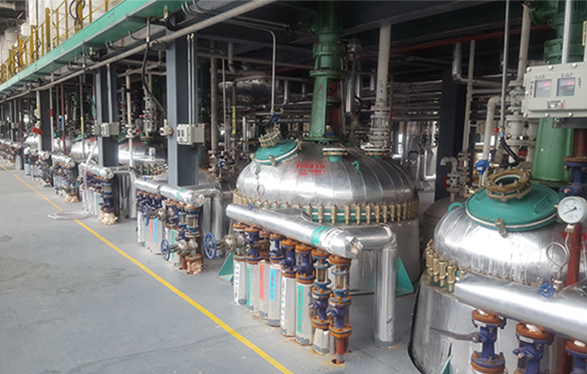
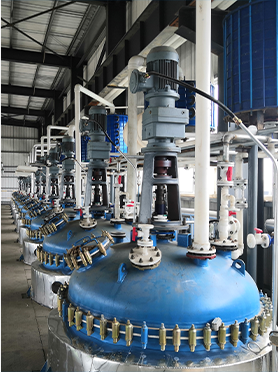
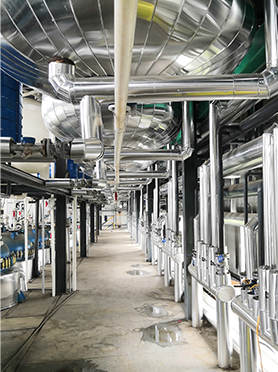
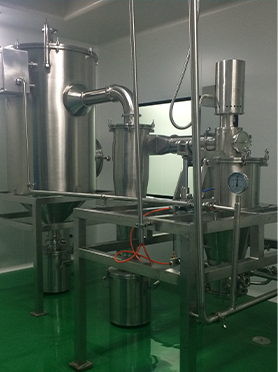
Manufacturing Facilities
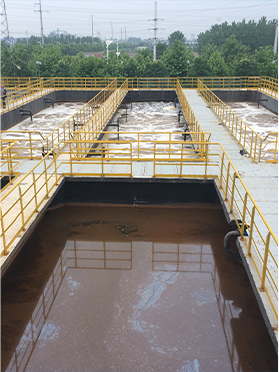
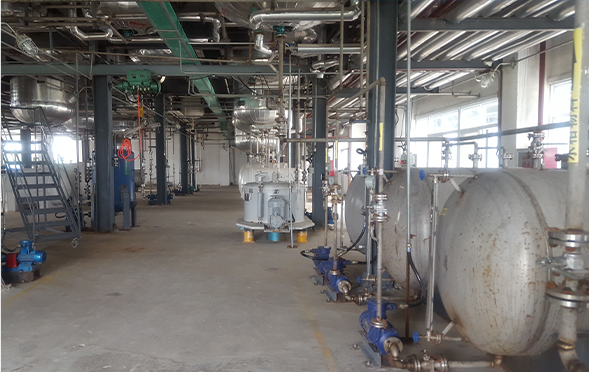
Professional Export Experience
to Global Customers
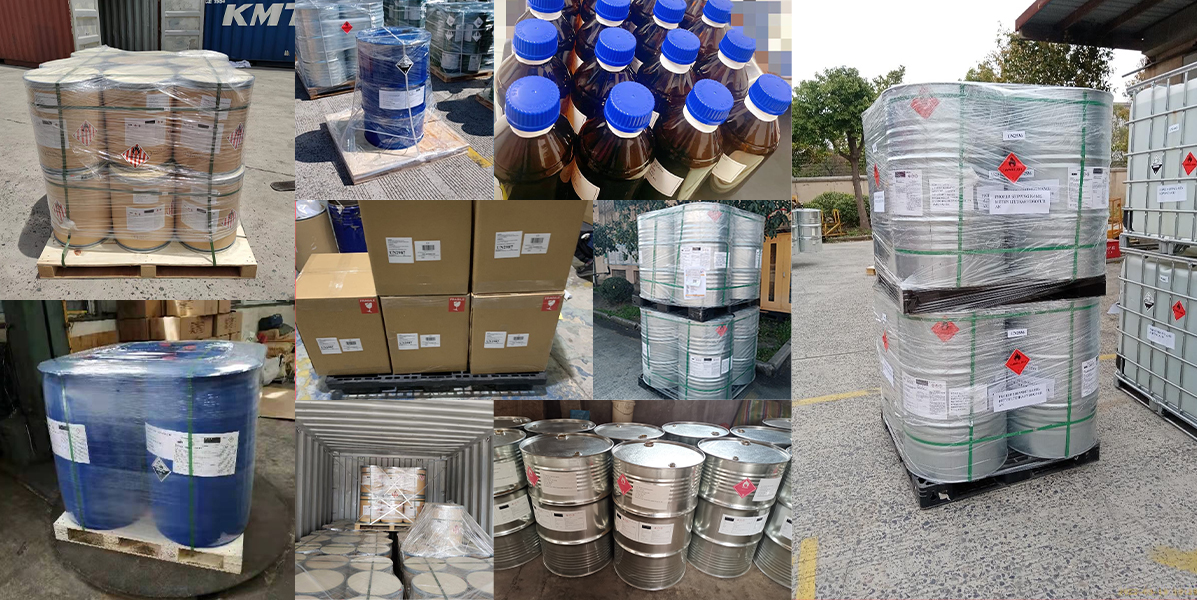
1. 20 years of R&D, manufacturing and sales experience, serving customers in 60 countries and regions around the world;
2. Own R&D laboratory, pilot platform and large-scale production workshop, which can meet the audit requirements of global customers;
3. We can satisfy customers' perfect transition from small scale lab requirements (gram level) to commercialization requirements (hundred tons level).
A: We don't have Minimum Order Quantity, exact quantity should be provided before quotation for us to calculate the exact cost.
A: We don't provide free samples due to lots of request and expensive international courier's cost, we can deduct the sample charge after commercial order placed.
A: Our payment terms: Small or sample order: T/T IN ADVANCE. Commercial order: First order should be by T/T IN ADVANCE or L/C at sight, and following orders T/T 30~90days is acceptable subject to approval of credit application.