
Custom Manufacturing, Project Outsourcing, your Trusted Partner from China
The textile industry faces increasing scrutiny regarding its environmental footprint, and the use of chemical auxiliaries is a significant area of focus. Cationic softeners, while essential for fabric finishing, present certain environmental considerations that manufacturers must address. As a responsible manufacturer and supplier, NINGBO INNO PHARMCHEM CO.,LTD. is committed to promoting sustainable practices and developing products with reduced environmental impact. Understanding these aspects is crucial for modern textile operations aiming for greener processes and for those looking to buy more eco-conscious materials.
One of the primary environmental concerns associated with some cationic softeners is their biodegradability. Traditional formulations, particularly those based on certain quaternary ammonium compounds, can be persistent in aquatic environments. When released into wastewater, these positively charged compounds can interact with negatively charged particles in the water, potentially impacting aquatic ecosystems. The industry is continuously working towards developing more readily biodegradable alternatives that offer similar performance benefits with a lower ecological impact. This is a key area where seeking out advanced formulations from a reputable supplier becomes important.
Another consideration is the manufacturing process itself, including energy and water consumption. The development of cold water soluble cationic softener flakes represents a step towards greater efficiency by reducing the need for heated water during application. This not only saves energy but also contributes to a lower carbon footprint for textile mills. Furthermore, optimizing application methods to minimize waste and improve rinse-off processes can also mitigate environmental load.
The sourcing of raw materials also plays a role. Increasingly, textile chemical manufacturers are focusing on renewable and sustainable feedstocks. While the core functionality of cationic softeners often relies on specific chemical structures, advancements in research are exploring more sustainable pathways for their synthesis. As a forward-thinking manufacturer, we are continuously evaluating and integrating more eco-friendly components into our product lines.
For textile professionals, choosing a supplier that prioritizes environmental responsibility is a significant decision. This includes transparency regarding product ingredients, manufacturing processes, and commitment to sustainability certifications. Working with a partner who understands these challenges and offers solutions that align with environmental goals is key. When evaluating cationic softener flakes price, it's important to also consider the associated environmental credentials.
In conclusion, while cationic softeners are indispensable in achieving desired fabric qualities, their environmental impact requires careful management. By embracing innovations such as cold water solubility, focusing on biodegradable formulations, and partnering with responsible manufacturers and suppliers, the textile industry can continue to deliver high-quality products while minimizing its ecological footprint. We are dedicated to supporting our clients in this transition towards more sustainable textile finishing practices.
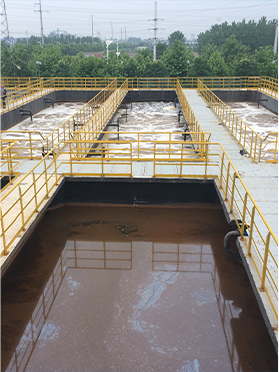
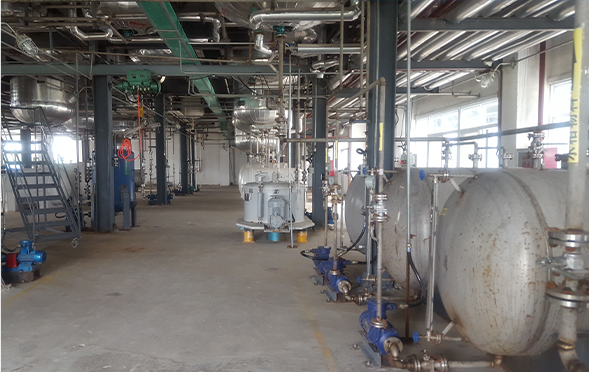
Manufacturing Facilities
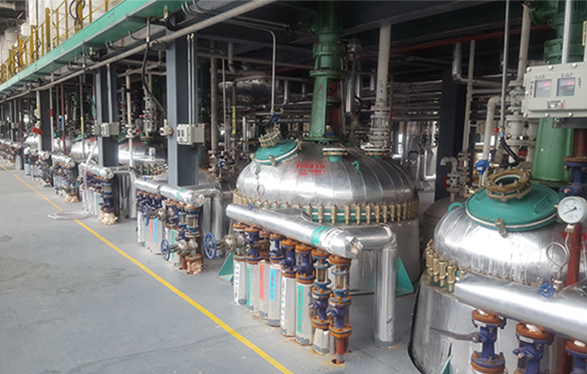
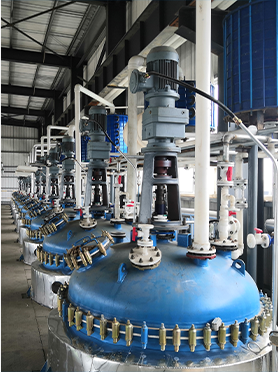
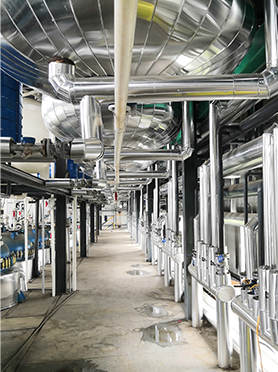
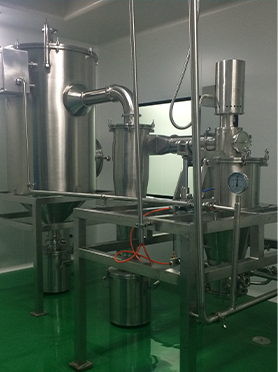
Professional Export Experience
to Global Customers
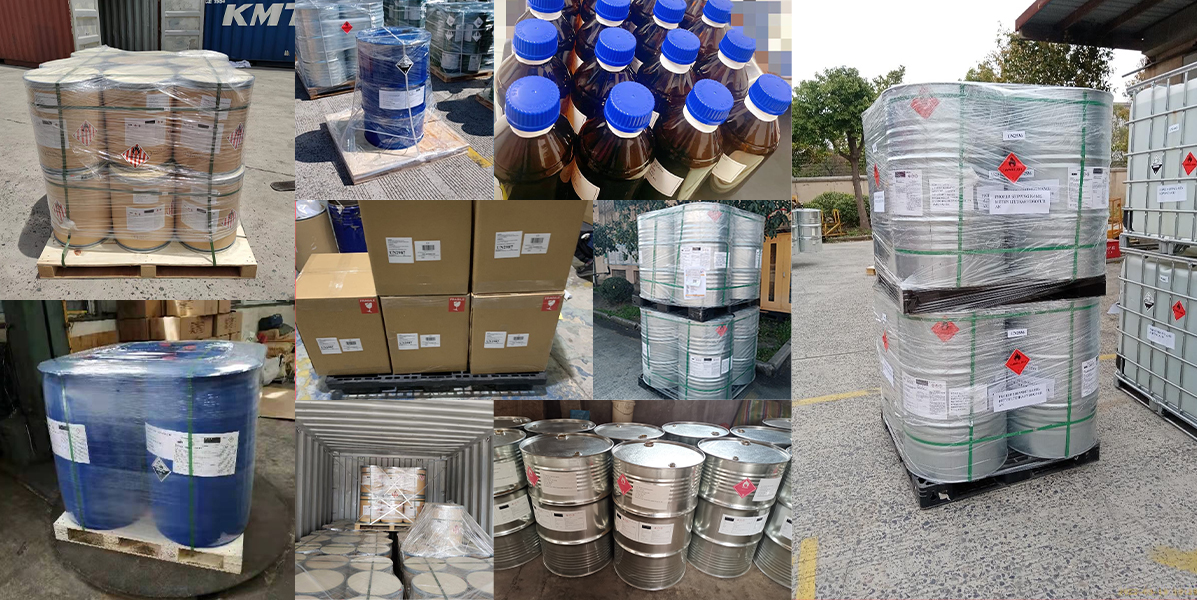
1. 20 years of R&D, manufacturing and sales experience, serving customers in 60 countries and regions around the world;
2. Own R&D laboratory, pilot platform and large-scale production workshop, which can meet the audit requirements of global customers;
3. We can satisfy customers' perfect transition from small scale lab requirements (gram level) to commercialization requirements (hundred tons level).
A: We don't have Minimum Order Quantity, exact quantity should be provided before quotation for us to calculate the exact cost.
A: We don't provide free samples due to lots of request and expensive international courier's cost, we can deduct the sample charge after commercial order placed.
A: Our payment terms: Small or sample order: T/T IN ADVANCE. Commercial order: First order should be by T/T IN ADVANCE or L/C at sight, and following orders T/T 30~90days is acceptable subject to approval of credit application.