
Custom Manufacturing, Project Outsourcing, your Trusted Partner from China
Citric acid is an indispensable ingredient in the global food and beverage industry, contributing significantly to product quality, safety, and consumer appeal. Its versatility allows it to perform multiple functions, from enhancing taste to extending shelf life, making it one of the most widely used organic acids worldwide.
Primarily, citric acid serves as an acidulant. Its characteristic sour taste provides a pleasant tartness that is crucial for balancing sweetness in beverages, confectionery, and dairy products. In soft drinks, for example, citric acid provides the refreshing tang that consumers expect, making it a preferred choice over other acids due to its mild flavor profile. Food manufacturers often buy citric acid online to ensure a consistent supply for these applications.
Beyond its role in taste, citric acid is a potent flavor enhancer. It can accentuate other flavors in food products, bringing out the natural notes of fruits and other ingredients. This makes it invaluable in formulations for candies, jams, jellies, and baked goods, where a well-rounded flavor profile is key to consumer satisfaction.
As a preservative, citric acid plays a vital role in food safety and shelf-life extension. By lowering the pH of food products, it creates an environment hostile to the growth of bacteria, yeasts, and molds. This natural antimicrobial action is particularly important in processed foods, canned goods, and sauces, helping to prevent spoilage and maintain product integrity without the need for artificial preservatives. The use of citric acid anhydrous suppliers committed to high purity standards is crucial for this application.
Citric acid also functions as a chelating agent. In this capacity, it binds to metal ions present in food, such as iron and copper. These metal ions can catalyze oxidation reactions, leading to undesirable changes in color, flavor, and texture. By chelating these metals, citric acid helps to stabilize food products, particularly fats and oils, preventing rancidity and maintaining product quality during storage. This is especially beneficial in processed meats and canned vegetables.
Furthermore, citric acid is used in conjunction with sodium bicarbonate to create effervescent products. This reaction produces carbon dioxide gas, resulting in the fizzing characteristic of many powders, tablets, and drinks. This application is common in dietary supplements, antacids, and flavored drink mixes.
The availability of both Citric Acid Anhydrous and Citric Acid Monohydrate provides manufacturers with options depending on their specific processing needs. While anhydrous is preferred for its rapid dissolution in dry mixes, monohydrate offers stability. Regardless of the form, the consistent quality and reliable supply from reputable citric acid suppliers ensure that the food and beverage industry can continue to produce safe, flavorful, and appealing products for consumers worldwide.
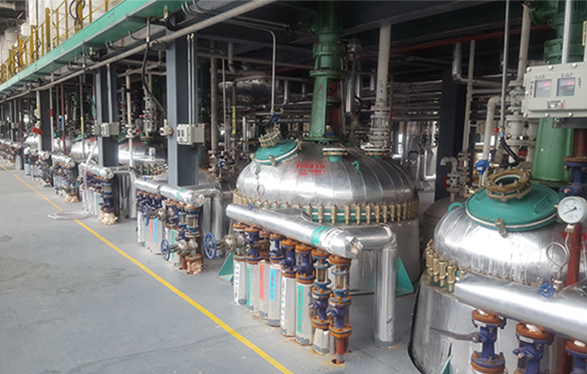
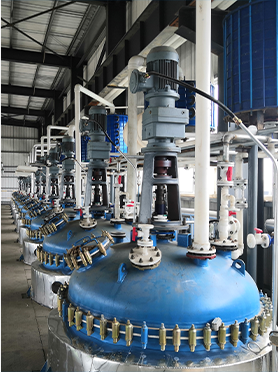
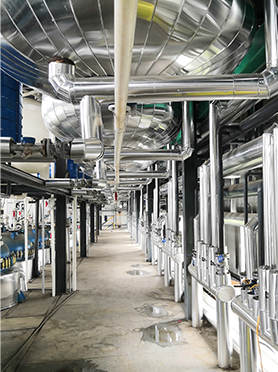
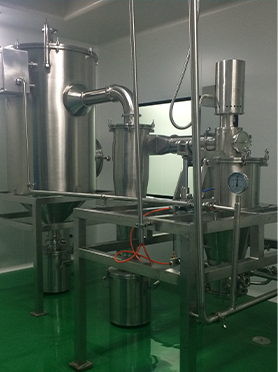
Manufacturing Facilities
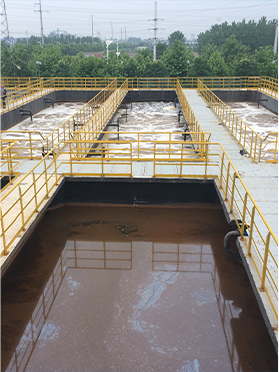
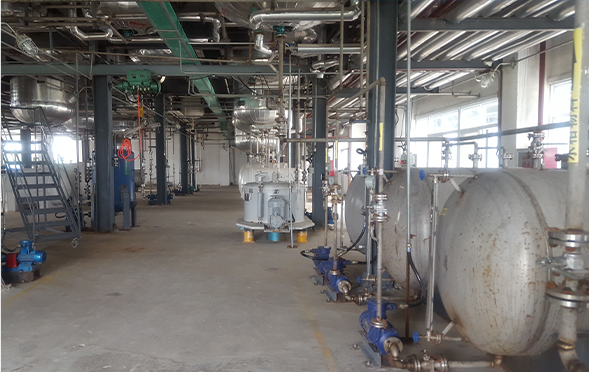
Professional Export Experience
to Global Customers
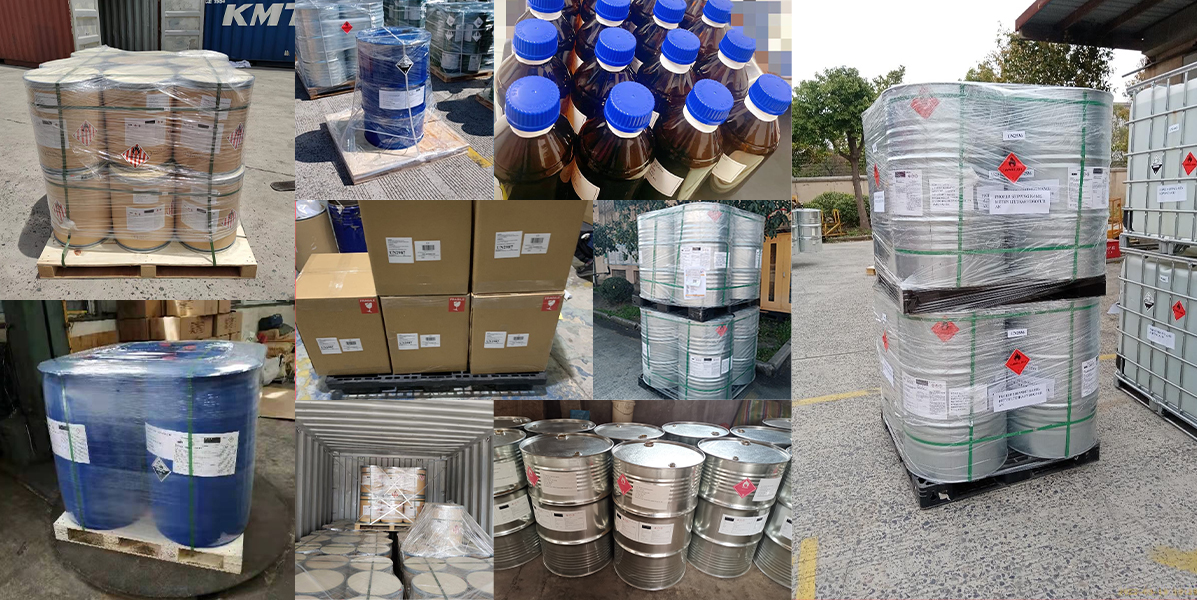
1. 20 years of R&D, manufacturing and sales experience, serving customers in 60 countries and regions around the world;
2. Own R&D laboratory, pilot platform and large-scale production workshop, which can meet the audit requirements of global customers;
3. We can satisfy customers' perfect transition from small scale lab requirements (gram level) to commercialization requirements (hundred tons level).
A: We don't have Minimum Order Quantity, exact quantity should be provided before quotation for us to calculate the exact cost.
A: We don't provide free samples due to lots of request and expensive international courier's cost, we can deduct the sample charge after commercial order placed.
A: Our payment terms: Small or sample order: T/T IN ADVANCE. Commercial order: First order should be by T/T IN ADVANCE or L/C at sight, and following orders T/T 30~90days is acceptable subject to approval of credit application.