
Custom Manufacturing, Project Outsourcing, your Trusted Partner from China
In the critical field of water treatment, the efficiency and effectiveness of the chemicals used are paramount. Polyacrylamide (PAM), a versatile synthetic polymer, has emerged as a cornerstone chemical, significantly enhancing processes like flocculation and sludge dewatering. Its ability to aggregate suspended particles makes it invaluable for clarifying water and treating industrial effluents.
Polyacrylamide functions as a potent flocculant by creating bridges between dispersed particles in water. This bridging action, combined with charge neutralization, leads to the formation of larger, more easily settleable flocs. Whether dealing with municipal sewage or complex industrial wastewater, the targeted application of specific PAM types, such as anionic or cationic variants, can dramatically improve the speed and efficiency of solid-liquid separation. This directly translates to cleaner water and more manageable sludge.
The benefits of using PAM in water purification are substantial. It reduces the need for other chemical coagulants, lowers operational costs, and improves the overall quality of treated water. Industries ranging from papermaking to mining have integrated PAM into their processes to optimize resource utilization and minimize environmental impact. For instance, in mining operations, PAM aids in the efficient separation of valuable minerals from ore through improved tailings dewatering.
When considering polyacrylamide water treatment, understanding the different types available is key. Anionic polyacrylamide is often favored for its effectiveness in neutral to alkaline conditions and with positively charged impurities, while cationic polyacrylamide excels in treating sludge with high organic content. The selection of the right PAM type, along with optimal dosage, can be determined through laboratory tests to ensure the best performance for specific water conditions. Expert guidance is often sought to achieve maximum efficiency in industrial wastewater treatment pam applications.
Furthermore, the role of PAM extends to sludge dewatering, a critical step in managing wastewater treatment byproducts. Specialized grades of polyacrylamide significantly enhance the dewatering process, reducing sludge volume and associated disposal costs. This application highlights the comprehensive contribution of polyacrylamide to sustainable water management.
NINGBO INNO PHARMCHEM CO.,LTD. is committed to providing high-quality polyacrylamide solutions that meet the diverse needs of the water treatment industry. Our extensive range of products, including anionic, cationic, and non-ionic polyacrylamide, ensures that we can support your specific purification and dewatering requirements.
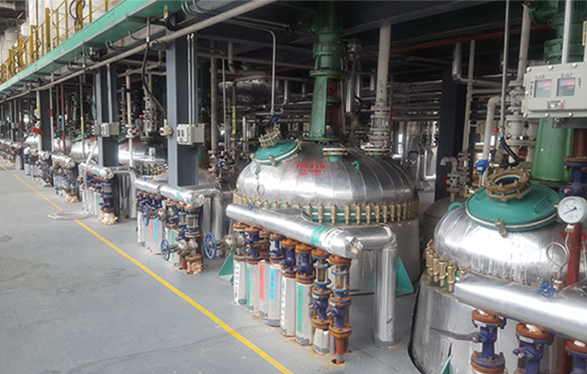
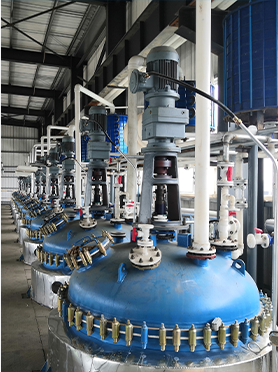
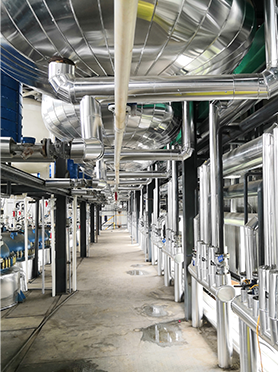
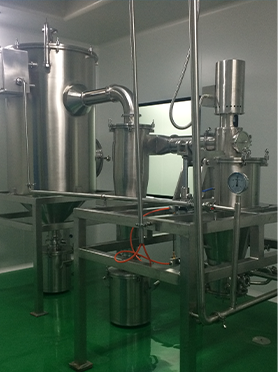
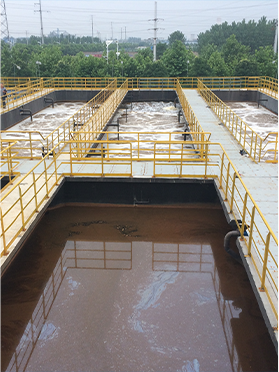
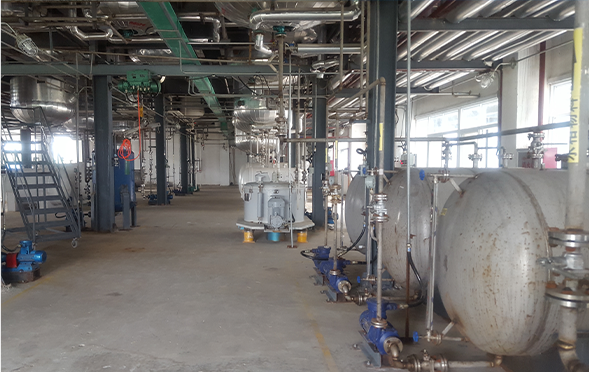
Manufacturing Facilities
Professional Export Experience
to Global Customers
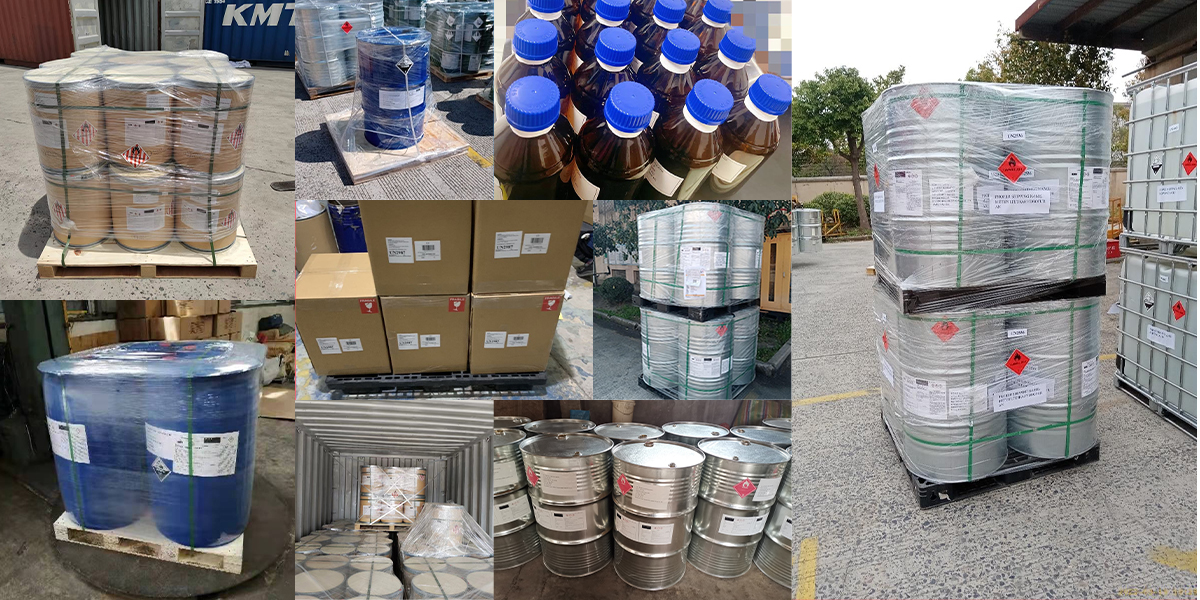
1. 20 years of R&D, manufacturing and sales experience, serving customers in 60 countries and regions around the world;
2. Own R&D laboratory, pilot platform and large-scale production workshop, which can meet the audit requirements of global customers;
3. We can satisfy customers' perfect transition from small scale lab requirements (gram level) to commercialization requirements (hundred tons level).
A: We don't have Minimum Order Quantity, exact quantity should be provided before quotation for us to calculate the exact cost.
A: We don't provide free samples due to lots of request and expensive international courier's cost, we can deduct the sample charge after commercial order placed.
A: Our payment terms: Small or sample order: T/T IN ADVANCE. Commercial order: First order should be by T/T IN ADVANCE or L/C at sight, and following orders T/T 30~90days is acceptable subject to approval of credit application.