
Custom Manufacturing, Project Outsourcing, your Trusted Partner from China
The quest for effective sun protection has a long and fascinating history, with 4-Aminobenzoic Acid (PABA) marking a significant chapter in the development of modern sunscreens. Introduced in the mid-20th century, PABA was a groundbreaking ingredient, celebrated for its ability to absorb UVB radiation, thus preventing sunburn. Its widespread adoption revolutionized how people approached sun exposure, making it possible to enjoy outdoor activities with a newfound sense of safety.
However, as scientific understanding evolved, so did the perception of PABA. While effective, concerns regarding allergic reactions, photosensitivity, and potential long-term health effects began to surface. These issues, coupled with its tendency to stain clothing, gradually led to a decline in its use. The industry responded by developing new generations of sunscreen ingredients, aiming for improved safety, broader spectrum protection (including UVA), and better cosmetic elegance.
The transition away from PABA has seen the rise of both improved chemical filters and mineral-based sunscreens. Chemical filters have become more sophisticated, offering broad-spectrum protection and better photostability. Meanwhile, mineral sunscreens, primarily featuring zinc oxide and titanium dioxide, have gained immense popularity due to their gentle nature and broad-spectrum efficacy. These mineral filters work by creating a physical barrier on the skin that reflects and scatters UV rays, minimizing the absorption into the skin.
Furthermore, the focus in sunscreen development has broadened beyond mere UV filtration. Modern sunscreens often incorporate antioxidants and other beneficial ingredients to provide comprehensive skin protection against environmental stressors and aging. The innovation continues, with research exploring novel compounds and delivery systems to enhance efficacy and safety. The journey from PABA to today's advanced sunscreens reflects a commitment to both protecting skin from the sun's harmful effects and ensuring the overall well-being of consumers. As we move forward, the trend is clear: prioritizing ingredients with robust safety data and broad-spectrum coverage for a healthier relationship with the sun.
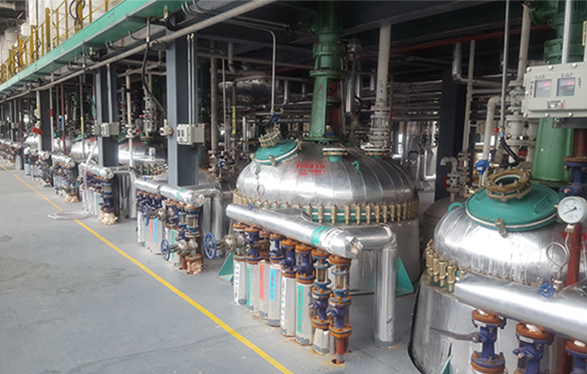
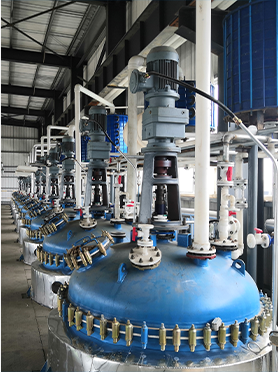
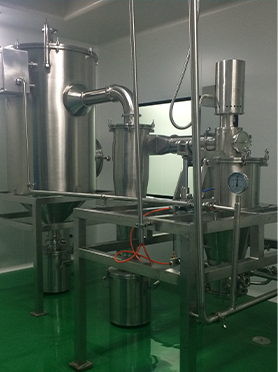
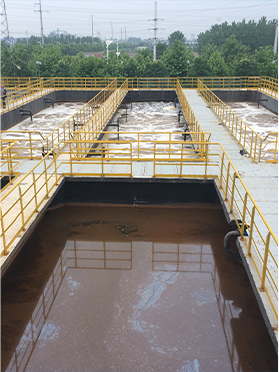
Manufacturing Facilities


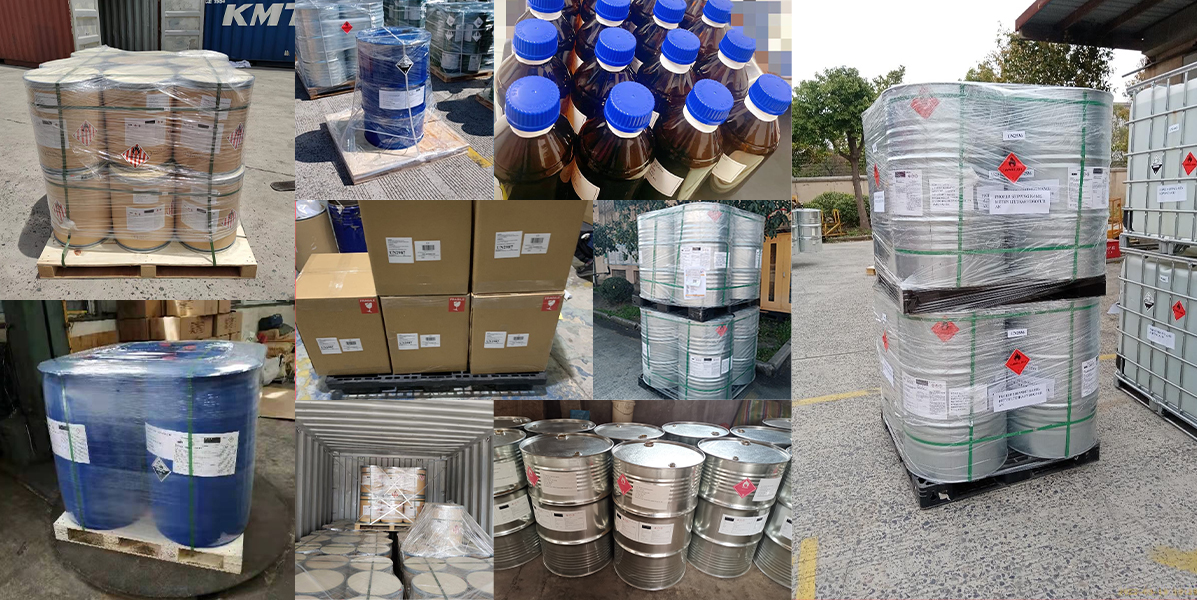
Professional Export Experience
to Global Customers
1. 20 years of R&D, manufacturing and sales experience, serving customers in 60 countries and regions around the world;
2. Own R&D laboratory, pilot platform and large-scale production workshop, which can meet the audit requirements of global customers;
3. We can satisfy customers' perfect transition from small scale lab requirements (gram level) to commercialization requirements (hundred tons level).
A: We don't have Minimum Order Quantity, exact quantity should be provided before quotation for us to calculate the exact cost.
A: We don't provide free samples due to lots of request and expensive international courier's cost, we can deduct the sample charge after commercial order placed.
A: Our payment terms: Small or sample order: T/T IN ADVANCE. Commercial order: First order should be by T/T IN ADVANCE or L/C at sight, and following orders T/T 30~90days is acceptable subject to approval of credit application.