
Custom Manufacturing, Project Outsourcing, your Trusted Partner from China
4-Propylphenylacetylene, identified by its CAS number 62452-73-7, is a derivative of acetylene featuring a propyl group attached to a phenyl ring. Its molecular formula is C11H12, and it is typically supplied as a colorless liquid. One of its notable characteristics is its sensitivity to light, necessitating careful storage in a tightly closed, dark container. This compound's stability under standard temperature and pressure conditions makes it a reliable reagent for chemists. The purity levels often exceed 95%, ensuring consistent and predictable results in synthesis pathways.
The primary utility of 4-Propylphenylacetylene lies in its function as an intermediate in organic synthesis. Its alkyne functionality is highly reactive and can participate in a variety of coupling reactions, cycloadditions, and other transformations. This makes it an attractive building block for creating complex molecular architectures. Furthermore, its role as a pharmaceutical intermediate is significant. Many active pharmaceutical ingredients (APIs) are constructed using elaborate synthetic routes, and compounds like 4-Propylphenylacetylene provide essential carbon frameworks or functional groups required for these intricate processes. Researchers often search for specific organic synthesis intermediates to achieve targeted molecular designs, and this compound frequently appears in such quests.
For those engaged in laboratory research and development, understanding the 4-propylphenylacetylene properties is key to successful experimentation. Its density, boiling point, and refractive index are well-documented, providing chemists with critical data for experimental planning. The compound's use in chemical production processes, especially for fine chemicals and specialized organic materials, further underscores its importance. Companies seeking to source reliable chemical intermediates often look to established manufacturers in China, who can provide consistent quality and timely delivery.
When handling 4-Propylphenylacetylene, it is crucial to adhere to safety guidelines. The material is known to be irritating to the eyes, respiratory system, and skin. Therefore, appropriate personal protective equipment, including gloves and eye protection, should always be used. Proper ventilation in the workspace is also recommended. By adhering to these best practices, researchers and manufacturers can safely harness the synthetic potential of this valuable organic compound. Whether you are exploring new synthetic routes or scaling up production, 4-Propylphenylacetylene remains a cornerstone for innovation in chemistry.
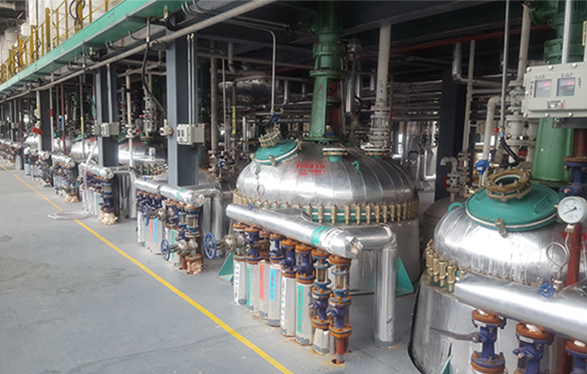
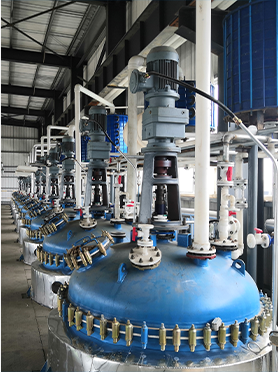
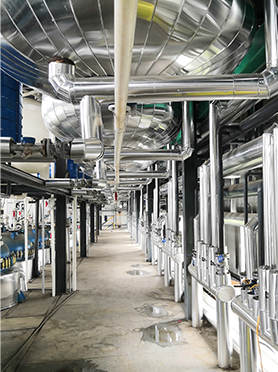
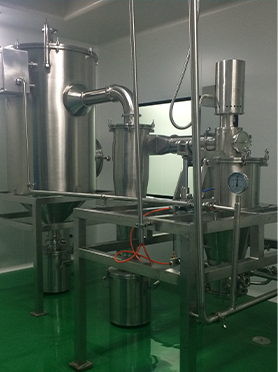
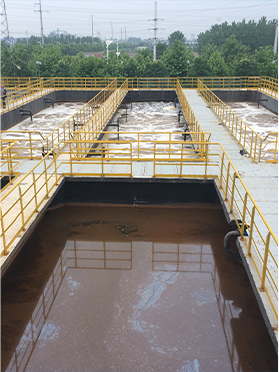
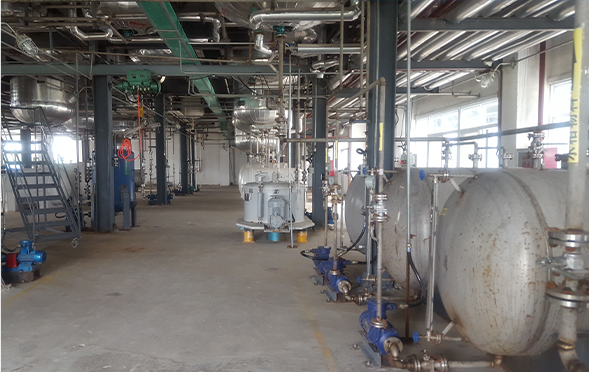
Manufacturing Facilities
Professional Export Experience
to Global Customers
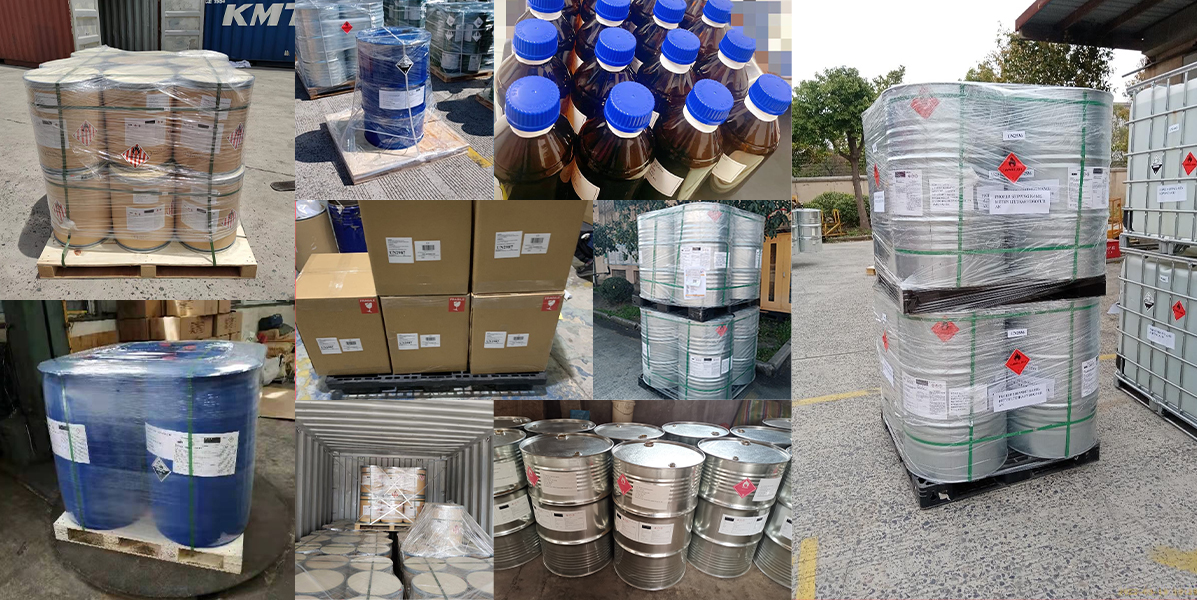
1. 20 years of R&D, manufacturing and sales experience, serving customers in 60 countries and regions around the world;
2. Own R&D laboratory, pilot platform and large-scale production workshop, which can meet the audit requirements of global customers;
3. We can satisfy customers' perfect transition from small scale lab requirements (gram level) to commercialization requirements (hundred tons level).
A: We don't have Minimum Order Quantity, exact quantity should be provided before quotation for us to calculate the exact cost.
A: We don't provide free samples due to lots of request and expensive international courier's cost, we can deduct the sample charge after commercial order placed.
A: Our payment terms: Small or sample order: T/T IN ADVANCE. Commercial order: First order should be by T/T IN ADVANCE or L/C at sight, and following orders T/T 30~90days is acceptable subject to approval of credit application.