
Custom Manufacturing, Project Outsourcing, your Trusted Partner from China
In the dynamic world of textile manufacturing, achieving vibrant and precise prints is paramount. Sodium Carboxymethyl Cellulose (CMC), a widely utilized cellulose ether, plays a pivotal role as a key ingredient in textile printing pastes. Its primary function is to act as a highly effective thickener, significantly influencing the rheological properties of the printing paste. This thickening action is crucial for controlling the flow and viscosity of the colorant, ensuring that it is applied accurately onto the fabric surface without unwanted spreading or bleeding.
The use of CMC in textile printing pastes directly contributes to the clarity and sharpness of printed designs. By providing the paste with the right consistency, CMC allows for the creation of intricate patterns and fine lines that would otherwise be difficult to achieve. This means textile manufacturers can produce more detailed and visually appealing designs on a variety of fabrics. Furthermore, the stability of CMC's viscosity ensures consistent results across different printing batches, which is a critical factor for maintaining product quality and customer satisfaction.
Beyond its thickening capabilities, CMC also contributes to the overall performance of the printing paste. It helps to evenly disperse the dyes or pigments within the paste, preventing agglomeration and ensuring a uniform distribution of colorants. This leads to brighter, more consistent color yields and reduces the likelihood of defects such as color streaks or patchy areas. When discussing textile printing paste thickener CMC, its ability to enhance dye penetration and affinity is also noteworthy, further improving the vibrancy and wash fastness of the final print.
For textile businesses looking to optimize their printing processes and elevate the quality of their products, incorporating CMC is a strategic choice. Its cost-effectiveness and superior performance compared to some traditional thickeners make it an attractive option. As we explore the application of CMC in the textile industry, it's clear that this versatile chemical additive is instrumental in achieving the high standards demanded by today's fashion and textile markets. Understanding the specific properties of CMC textile printing grade allows manufacturers to harness its full potential, driving innovation and producing textiles that stand out for their visual appeal and durability.
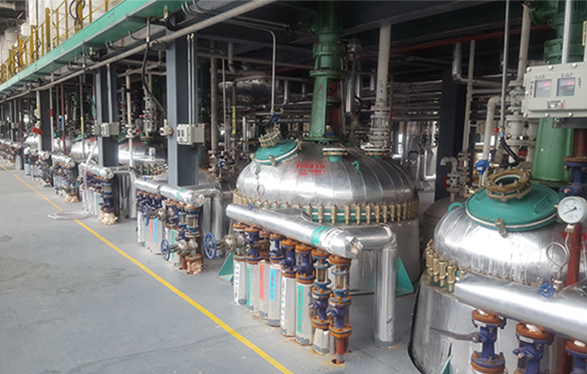
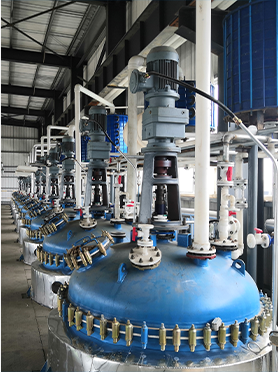
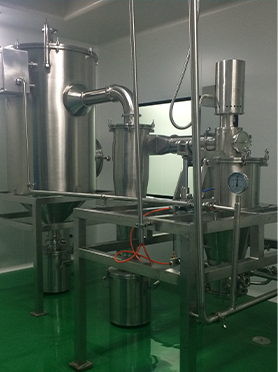
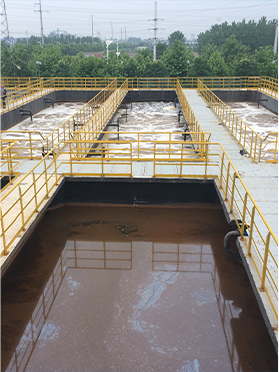
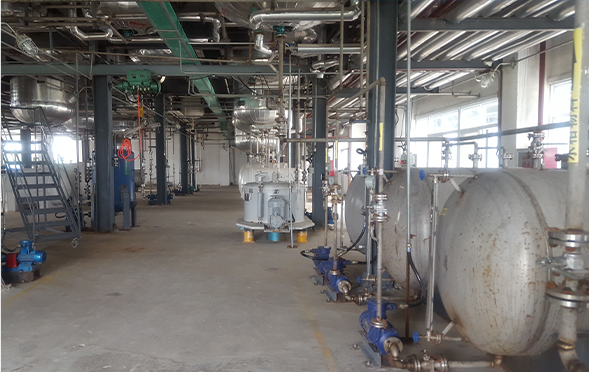
Manufacturing Facilities

Professional Export Experience
to Global Customers
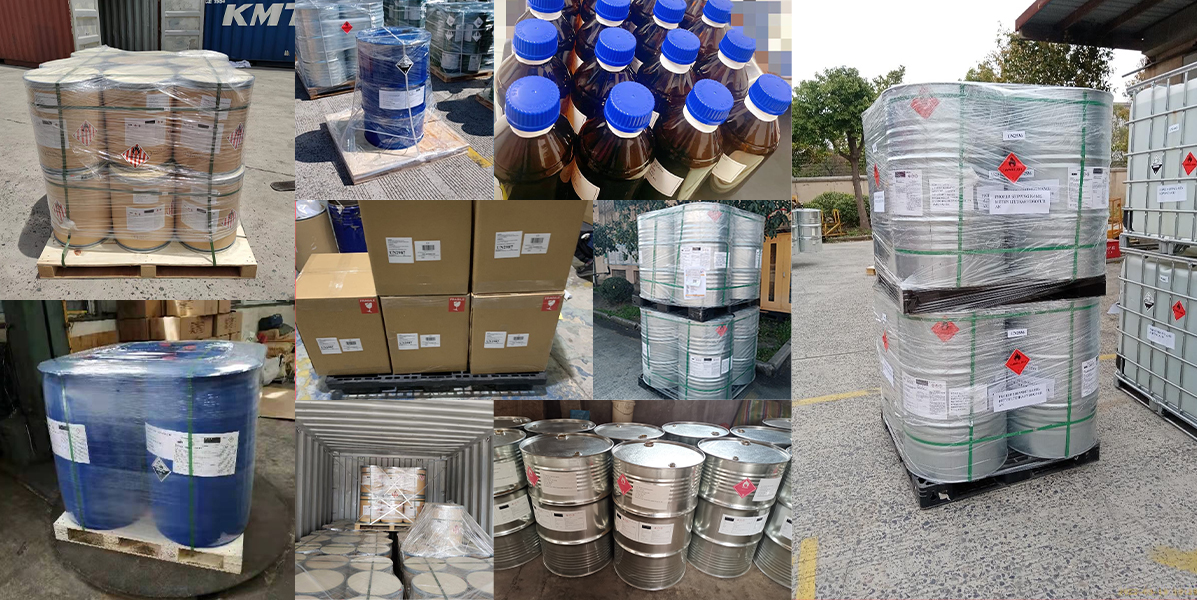
1. 20 years of R&D, manufacturing and sales experience, serving customers in 60 countries and regions around the world;
2. Own R&D laboratory, pilot platform and large-scale production workshop, which can meet the audit requirements of global customers;
3. We can satisfy customers' perfect transition from small scale lab requirements (gram level) to commercialization requirements (hundred tons level).
A: We don't have Minimum Order Quantity, exact quantity should be provided before quotation for us to calculate the exact cost.
A: We don't provide free samples due to lots of request and expensive international courier's cost, we can deduct the sample charge after commercial order placed.
A: Our payment terms: Small or sample order: T/T IN ADVANCE. Commercial order: First order should be by T/T IN ADVANCE or L/C at sight, and following orders T/T 30~90days is acceptable subject to approval of credit application.