
Custom Manufacturing, Project Outsourcing, your Trusted Partner from China
In the realm of advanced material science and manufacturing, UV curing technology stands out for its speed, efficiency, and environmental advantages. At the heart of this technology are photoinitiators, critical molecules that absorb UV light and initiate the polymerization process. Among these, Type II photoinitiators, particularly those in the benzophenone family, play a pivotal role. This article delves into the significance of Type II photoinitiators, with a focus on 4-Benzoyl-4'-methyldiphenyl sulfide (BMS), a widely used compound for manufacturers and formulators.
Understanding Type II Photoinitiators
Type II photoinitiators, unlike their Type I counterparts, typically require a co-initiator or synergist, often an amine, to efficiently generate free radicals. This mechanism involves a hydrogen abstraction process. When exposed to UV light, the Type II photoinitiator absorbs energy and enters an excited triplet state. It then interacts with a hydrogen donor (the synergist), abstracting a hydrogen atom to form initiating radicals. This dual-component system allows for fine-tuning of the curing process.
The Power of 4-Benzoyl-4'-methyldiphenyl sulfide (BMS)
4-Benzoyl-4'-methyldiphenyl sulfide, commonly known by trade names like SpeedCure BMS or Omnirad BMS, and identified by CAS No. 83846-85-9, is a highly effective Type II photoinitiator. It exhibits strong absorption maxima, making it ideal for initiating the radical polymerization of unsaturated monomers and oligomers, particularly acrylates. Its key benefits include:
Formulators often use BMS in concentrations ranging from 0.5% to 5% by weight, depending on the specific formulation and desired curing characteristics. Its compatibility with amine synergists further enhances its performance, making it a staple in many industrial applications.
Applications Driving Demand
The demand for high-performance photoinitiators like BMS is driven by industries that rely on rapid and precise curing. Key applications include:
Sourcing and Procurement Considerations
For businesses looking to purchase BMS, identifying reliable suppliers is paramount. Manufacturers and procurement managers should consider factors such as purity, consistency, availability, and technical support. Sourcing from reputable manufacturers and suppliers in China offers the advantage of competitive pricing and access to a robust supply chain. When inquiring about product availability and price, specifying the CAS number (83846-85-9) and desired quantity is essential. Exploring options to buy BMS for your formulation needs will lead to enhanced product performance and operational efficiency.
In conclusion, Type II photoinitiators like 4-Benzoyl-4'-methyldiphenyl sulfide are indispensable for modern UV curing applications. Their unique mechanism and performance characteristics make them a valuable asset for manufacturers across diverse industries. By understanding their role and sourcing them effectively, businesses can unlock significant advantages in their product development and manufacturing processes.
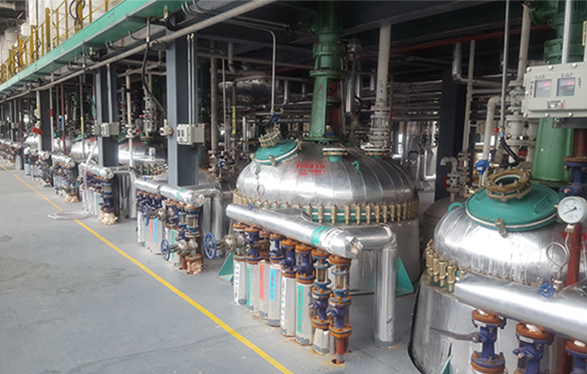
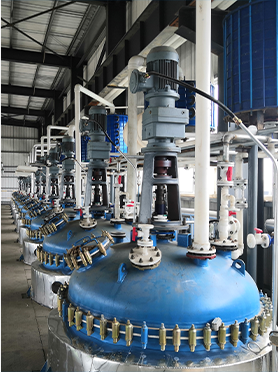
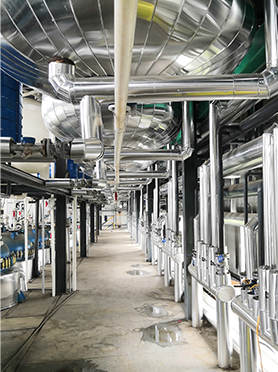
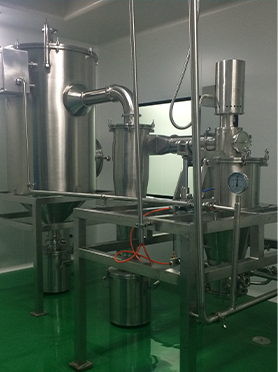
Manufacturing Facilities
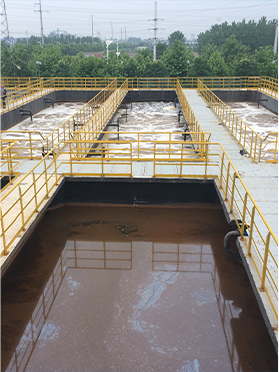
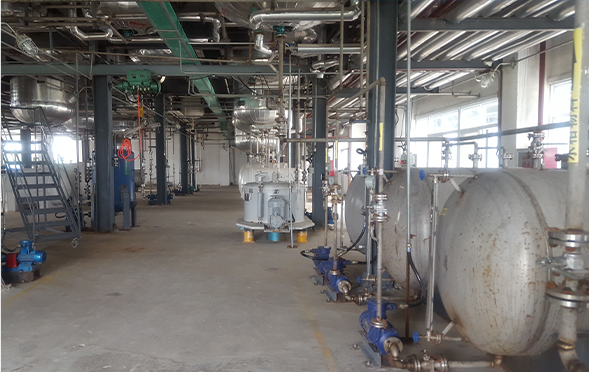
Professional Export Experience
to Global Customers
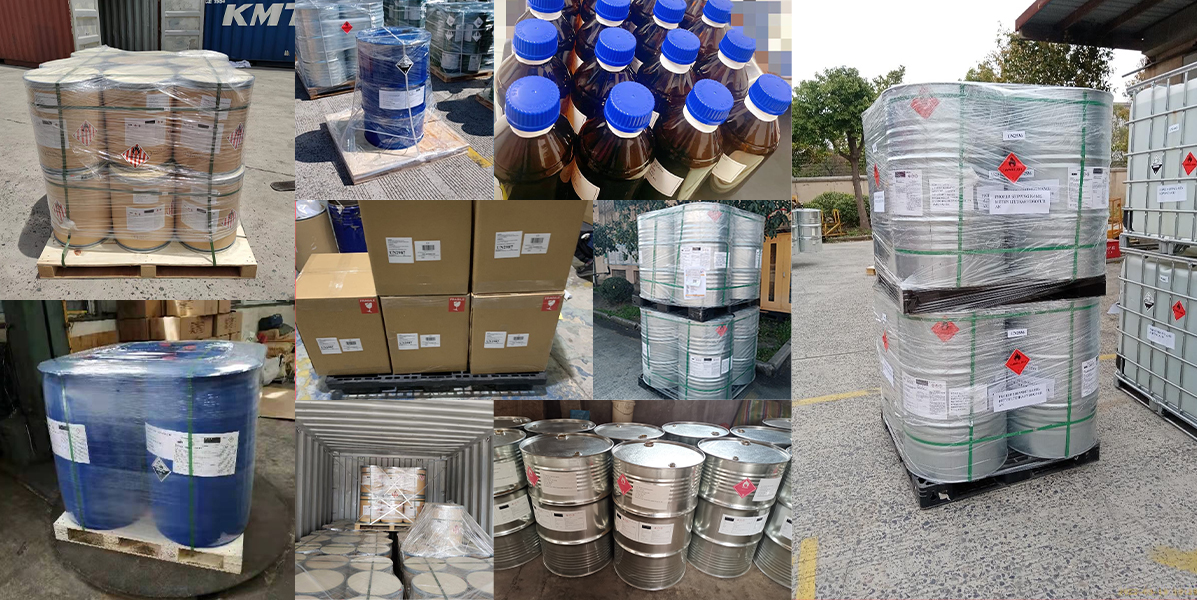
1. 20 years of R&D, manufacturing and sales experience, serving customers in 60 countries and regions around the world;
2. Own R&D laboratory, pilot platform and large-scale production workshop, which can meet the audit requirements of global customers;
3. We can satisfy customers' perfect transition from small scale lab requirements (gram level) to commercialization requirements (hundred tons level).
A: We don't have Minimum Order Quantity, exact quantity should be provided before quotation for us to calculate the exact cost.
A: We don't provide free samples due to lots of request and expensive international courier's cost, we can deduct the sample charge after commercial order placed.
A: Our payment terms: Small or sample order: T/T IN ADVANCE. Commercial order: First order should be by T/T IN ADVANCE or L/C at sight, and following orders T/T 30~90days is acceptable subject to approval of credit application.