
Custom Manufacturing, Project Outsourcing, your Trusted Partner from China
Brominated flame retardants (BFRs) represent a critical class of chemical additives designed to enhance the fire safety of materials. Among these, Tris(2,3-dibromopropyl) Isocyanurate (TBC), identified by CAS 52434-90-9, stands out for its particular effectiveness and broad applicability. Understanding the science behind TBC is key for R&D professionals and formulators seeking optimal material performance.
The primary mechanism by which brominated flame retardants operate involves the release of bromine radicals during combustion. These radicals interfere with the high-energy free radicals (like H• and OH•) that propagate the flame. By scavenging these radicals, the combustion process is slowed down or even quenched. TBC, with its high bromine content, is particularly adept at this gas-phase radical trapping mechanism, making it a highly efficient flame retardant.
The chemical structure of TBC, a derivative of isocyanurate, contributes to its desirable properties. It is an additive flame retardant, meaning it is physically blended into the polymer matrix rather than chemically bonded. This characteristic allows for its use in a wide range of polymers, including polyolefins, PVC, polyurethane, ABS, and various synthetic rubbers and fibers. When manufacturers procure Tris(2,3-dibromopropyl) Isocyanurate from a reputable supplier, they can be assured of its consistent molecular structure and purity, which are critical for predictable performance.
Key advantages that stem from its chemical nature include low volatility, excellent thermal stability, and good compatibility with many polymer systems. Low volatility ensures that the flame retardant remains within the material during processing and its service life, preventing loss and maintaining efficacy. Good compatibility means that the addition of TBC has minimal detrimental effects on the mechanical properties of the host polymer – a crucial consideration for product designers and engineers. For instance, when buying TBC, formulators look for suppliers that can guarantee low levels of impurities that might affect polymer processing.
The synthesis of TBC typically involves bromination reactions, and the process employed by manufacturers significantly impacts the final product's quality. Reputable TBC manufacturers invest in advanced production technologies and stringent quality control to ensure high purity and consistent batch-to-batch performance. This is especially important for applications requiring strict adherence to regulatory standards.
For businesses looking to purchase Tris(2,3-dibromopropyl) Isocyanurate, understanding these scientific principles allows for more informed decisions. Sourcing from a leading manufacturer ensures access to a product that not only meets safety requirements but also contributes to material durability and processing efficiency. The continued reliance on compounds like TBC underscores the vital role of chemical innovation in creating safer, more resilient materials for a wide array of industries.
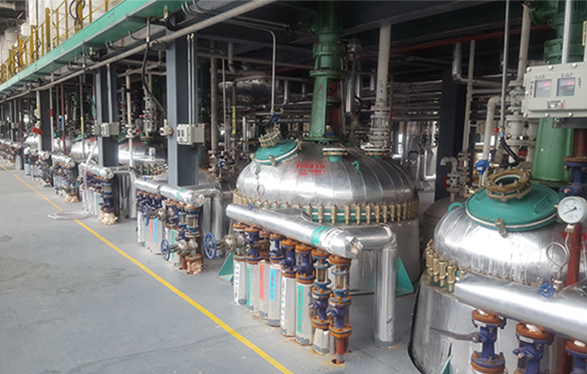
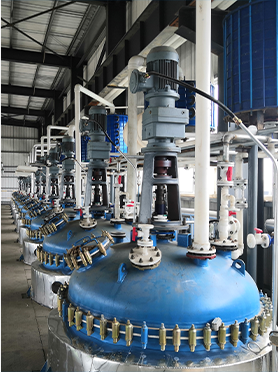
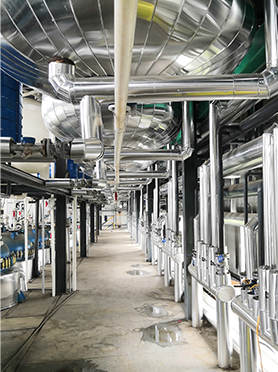
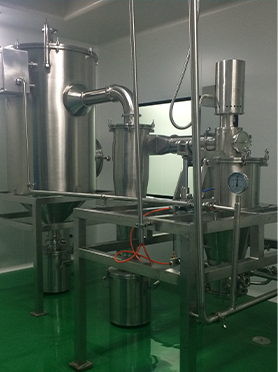
Manufacturing Facilities
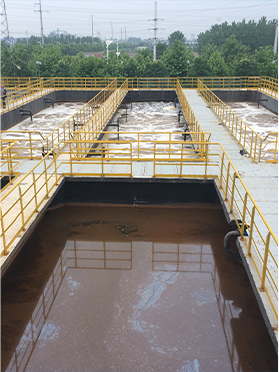
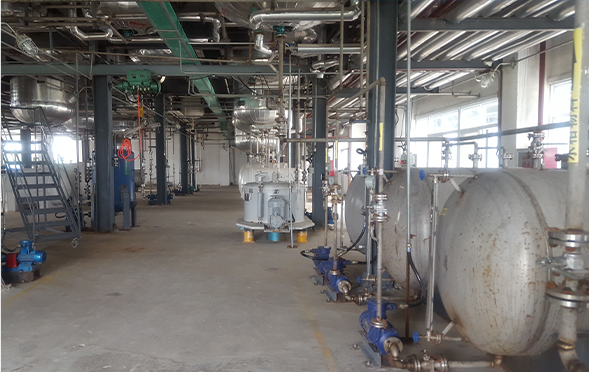
Professional Export Experience
to Global Customers
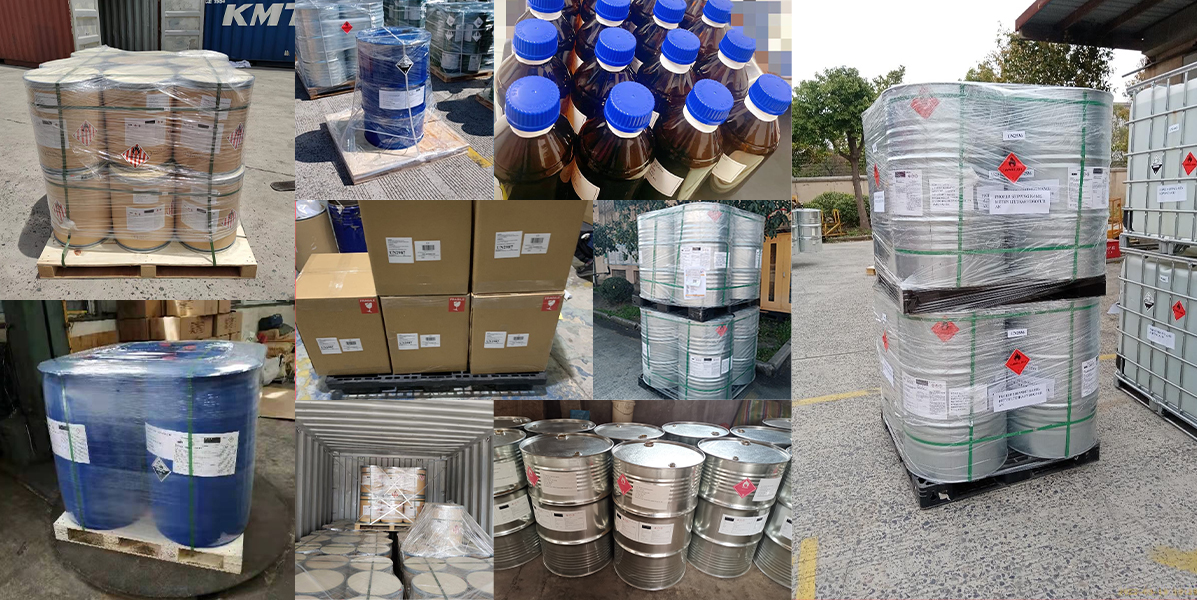
1. 20 years of R&D, manufacturing and sales experience, serving customers in 60 countries and regions around the world;
2. Own R&D laboratory, pilot platform and large-scale production workshop, which can meet the audit requirements of global customers;
3. We can satisfy customers' perfect transition from small scale lab requirements (gram level) to commercialization requirements (hundred tons level).
A: We don't have Minimum Order Quantity, exact quantity should be provided before quotation for us to calculate the exact cost.
A: We don't provide free samples due to lots of request and expensive international courier's cost, we can deduct the sample charge after commercial order placed.
A: Our payment terms: Small or sample order: T/T IN ADVANCE. Commercial order: First order should be by T/T IN ADVANCE or L/C at sight, and following orders T/T 30~90days is acceptable subject to approval of credit application.