
Custom Manufacturing, Project Outsourcing, your Trusted Partner from China
In the pursuit of creating advanced materials, manufacturers constantly seek innovative solutions to improve product performance while reducing weight and cost. One such critical component in modern material science is Azodicarbonamide (ADC), a chemical blowing agent that plays a pivotal role in the production of lightweight, foamed plastics and rubbers. NINGBO INNO PHARMCHEM CO.,LTD. is at the forefront of providing high-quality ADC, enabling diverse industrial applications.
Azodicarbonamide, often referred to as AC or ADCA, is a versatile organic compound celebrated for its decomposition properties when subjected to heat. This thermal decomposition releases a significant volume of gas, primarily nitrogen (N₂), carbon monoxide (CO), carbon dioxide (CO₂), and ammonia (NH₃). These gases are then encapsulated within a polymer matrix during the manufacturing process, creating a network of fine bubbles or cells. This cellular structure is what gives foamed materials their characteristic lightweight, insulating, and cushioning properties. The precise control over the decomposition temperature and gas evolution makes ADC a preferred choice for many applications.
The applications for ADC are remarkably broad, spanning numerous industries. In the plastics sector, it is widely used to foam polymers such as Polyvinyl Chloride (PVC), Polyethylene (PE), Polystyrene (PS), and Ethylene Vinyl Acetate (EVA). This allows for the creation of products ranging from insulation materials and packaging foams to automotive components and consumer goods. For instance, the demand for azodicarbonamide blowing agent for PVC is substantial, as it enables the production of durable yet lightweight PVC profiles, sheets, and artificial leather. The ability to control the cell structure is key, and manufacturers often seek specific grades of ADC to achieve desired densities and physical properties. This is why understanding ADC blowing agent properties is crucial for optimizing production processes.
Similarly, in the rubber industry, ADC is instrumental in producing foamed rubber components. These are utilized in applications requiring shock absorption, vibration dampening, and thermal insulation, such as in footwear soles, seals, and gaskets. The careful selection of ADC grades, considering factors like azodicarbonamide decomposition temperature and particle size, allows manufacturers to fine-tune the foaming process. For example, specific formulations are optimized for AC foaming agent for rubber, ensuring consistent cell formation and material integrity.
Beyond its primary industrial uses, Azodicarbonamide has also found application as a food additive, specifically as a flour bleaching agent and dough conditioner in certain regions. However, regulatory bodies and consumers have increasingly scrutinized its use due to potential health concerns associated with its breakdown products. Consequently, its use in food products has seen a decline in many markets. NINGBO INNO PHARMCHEM CO.,LTD. focuses on the industrial applications where the benefits of ADC are maximized and managed safely.
The advantages of using Azodicarbonamide are numerous. It is known for its high gas yield, meaning a small amount of ADC can produce a large volume of foam. Furthermore, its decomposition residues are generally odorless, non-coloring, and non-staining, which simplifies post-processing. A particularly important characteristic is its self-extinguishing nature, which contributes to the fire safety of the final foamed product. For manufacturers aiming to improve product performance and explore new material possibilities, understanding the nuances of azodicarbonamide gas evolution and its controlled release is paramount.
As industries continue to push the boundaries of material innovation, the role of effective blowing agents like Azodicarbonamide remains indispensable. NINGBO INNO PHARMCHEM CO.,LTD. is committed to supporting these advancements by providing reliable, high-quality ADC that meets the stringent demands of modern manufacturing. Whether you are looking to reduce the weight of your plastic components, enhance the cushioning in your rubber products, or explore new applications for foamed materials, our range of Azodicarbonamide blowing agents offers a powerful solution.
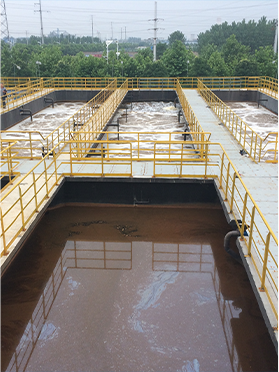
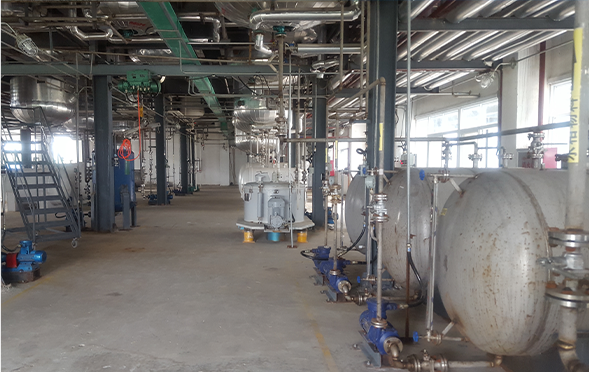
Manufacturing Facilities
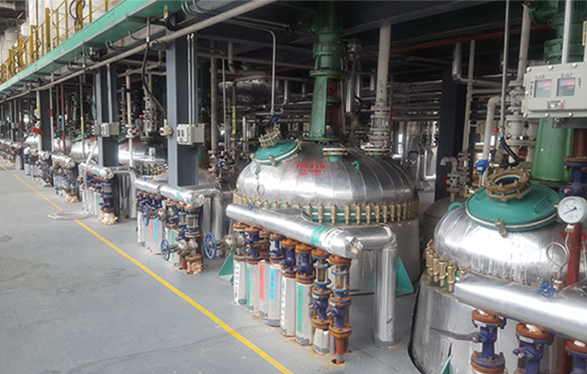
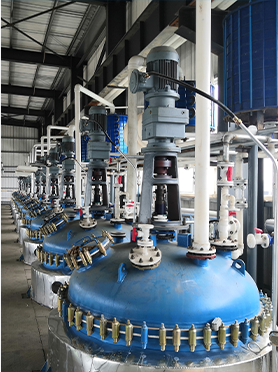
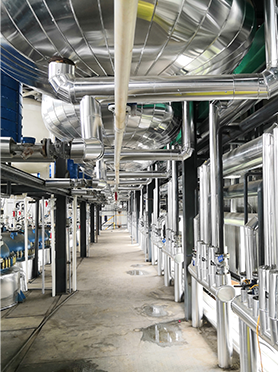
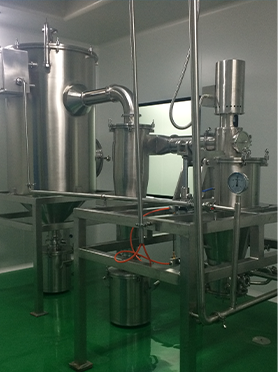
Professional Export Experience
to Global Customers
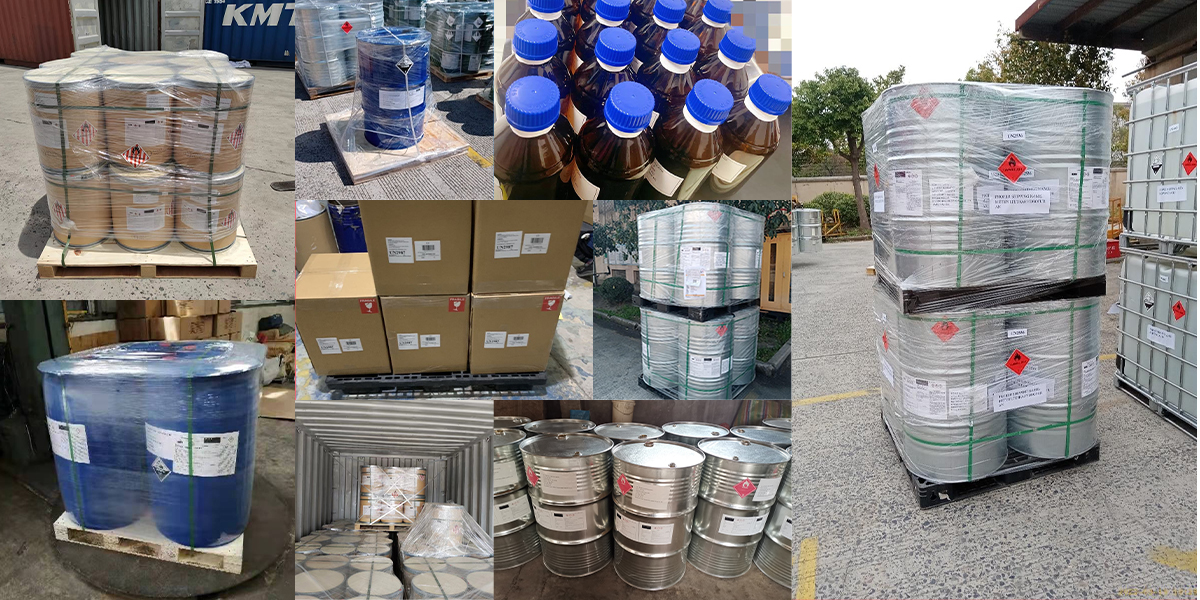
1. 20 years of R&D, manufacturing and sales experience, serving customers in 60 countries and regions around the world;
2. Own R&D laboratory, pilot platform and large-scale production workshop, which can meet the audit requirements of global customers;
3. We can satisfy customers' perfect transition from small scale lab requirements (gram level) to commercialization requirements (hundred tons level).
A: We don't have Minimum Order Quantity, exact quantity should be provided before quotation for us to calculate the exact cost.
A: We don't provide free samples due to lots of request and expensive international courier's cost, we can deduct the sample charge after commercial order placed.
A: Our payment terms: Small or sample order: T/T IN ADVANCE. Commercial order: First order should be by T/T IN ADVANCE or L/C at sight, and following orders T/T 30~90days is acceptable subject to approval of credit application.